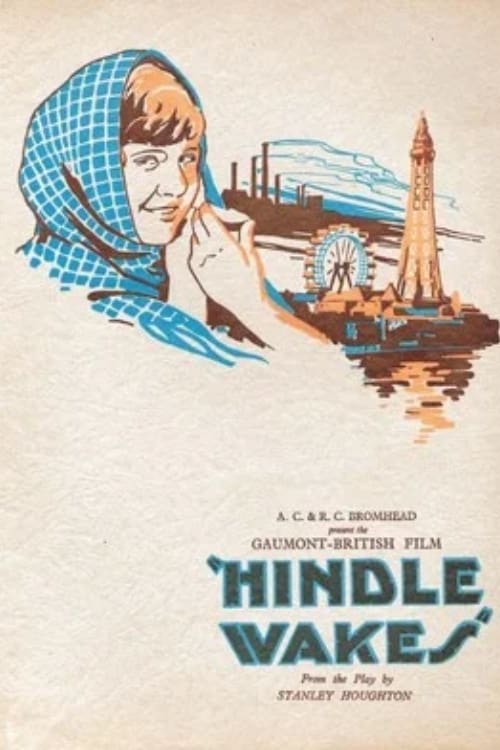
Hindle Wakes
1927
No user ratings available yet
Diversity score: 5.1 out of 10

1952
Director
Arthur Crabtree
Runtime
85 minutes
Average Rating
No ratings yetSynopsis
During a holiday to the beach Jenny meets Alan and agrees to spend the week with him. Wanting to keep this a secret from her parents Jenny gets help from her friend Mary to pretend her whereabouts but disaster strikes during a boating accident. It is soon discovered Jenny was not with Mary. When the parents find out the truth they pressure the couple to get married, but Jenny thinks otherwise.
Overall Score
Fair
Category Breakdown
LGBTQ+ Representation
The film lacks LGBTQ+ characters or non-heteronormative identities. The central conflict remains rooted in traditional romantic and sexual dynamics.
Gender Representation
The story centers on female agency and sexual awakening. It critiques mid-century double standards by highlighting the hypocrisy of social systems that penalize women for autonomy.
Racial & Ethnic Diversity
The cast is homogeneous, reflecting the social constraints of 1952 Britain. There is no evidence of racial diversity within the primary character arcs.
Religious & Cultural Diversity
The narrative critiques British class structures and the concept of respectability. It challenges the singular morality imposed by the community and its rigid social decorum.
Disability Representation
There are no prominent depictions of visible or invisible disabilities within the narrative.
Strengths
Areas for Improvement
AI Analysis
Hindle Wakes stands out for its progressive treatment of gender agency. By centering on a protagonist who prioritizes personal truth over social standing, the film subverts the era's expectations of female passivity. However, the film is limited by the historical context of its production. It lacks racial and LGBTQ+ diversity, presenting a homogeneous view of mid-century British society. Ultimately, the film's strength lies in its critique of institutionalized morality and the systemic pressures used to maintain class and gender hierarchies.
1927
1940
1933
1932
1957
1962

1953
1954
1940
1997
1986
1951
No reviews yet. Be the first to share your thoughts on this movie!
Use the rating form above to leave a star rating and optional review.