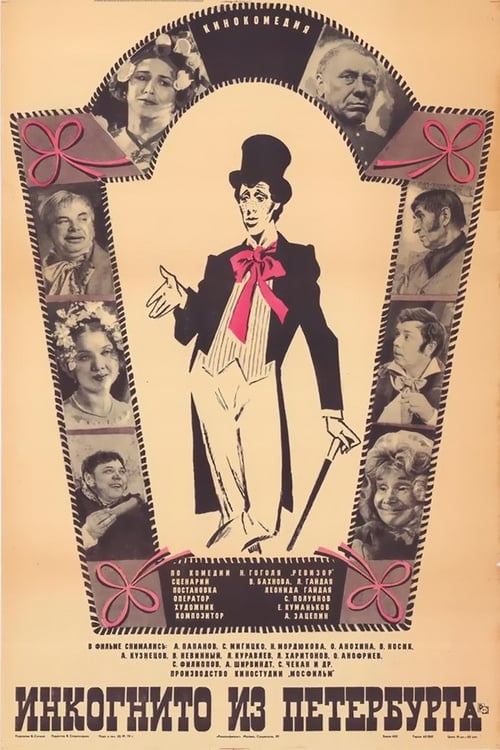
Incognito from St.Petersburg
1978
No user ratings available yet
Representation score: 4.9 out of 10
Representation Score
Good
1989
Director
Aleksandr Pavlovskiy
Average Rating
No ratings yetNew Showbiz Analysis
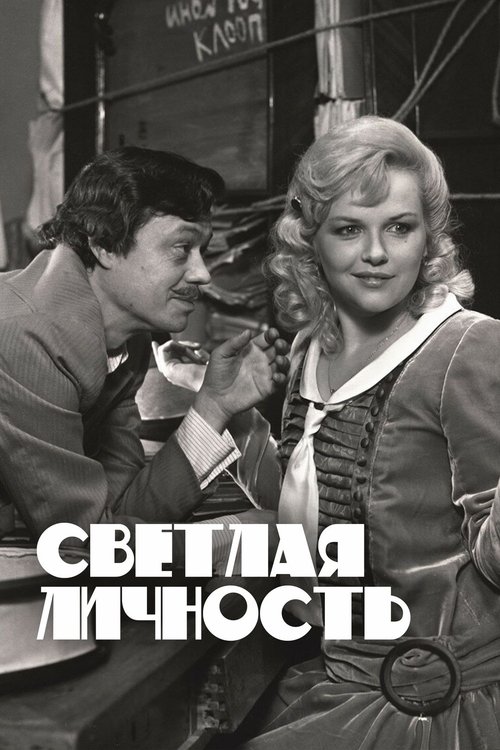
Bright Personality is a late-Soviet social satire that uses a fantastical conceit to dismantle institutional hierarchies. By adapting the works of Ilf and Petrov, the film focuses its energy on deconstructing systemic vices like bureaucratism and careerism. The film's strength lies in its cultural critique, using the cliché of invisibility to expose the absurdity of social norms. However, it lacks depth in individual identity representation, particularly regarding LGBTQ+ and racial diversity. While the protagonist's condition offers a unique lens for social commentary, the film remains largely a study of class and systemic corruption rather than a diverse character study.
Category Breakdown
The film doesn't include explicit LGBTQ+ characters or identities that challenge the assumption that everyone is straight or cisgender. Instead, it focuses on the social consequences of invisibility and satirizes bureaucratic vices.
The satire targets masculine authority by ridiculing 'swaggering' male bureaucrats and careerism. While this disrupts traditional expectations of male leadership, there are no specific details confirming women's ability to drive the story.
Reflecting the demographic homogeneity of the Soviet era, the film does not explicitly promote racial diversity. It prioritizes themes of social class and systemic behavior over ethnic identity.
The film excels at critiquing established institutions and social hierarchies. It uses satire to deconstruct systemic oppression and the corruption found within traditional power structures.
The protagonist's invisibility serves as a metaphorical physical condition. While not a depiction of lived disability, this condition grants the character's ability to drive the story to navigate and expose societal flaws.
Present on Screen
Limited or Absent
Official Synopsis
By chance the main character of the picture becomes invisible. This curiosity causes a chain of eccentric events that allow the authors to ridicule in a grotesque form such enduring vices as bureaucratism, swagger, careerism and familialism. Based on satirical works by I. Ilf and E. Petrov.
1978
1965

1975
1971
1990
1984
1990
1966
No reviews yet. Be the first to share your thoughts on this movie!
Use the rating form above to leave a star rating and optional review.