
Sovershenno seryozno
1961
No user ratings available yet
Representation score: 4.6 out of 10
Representation Score
Good
1990
Director
Viktor Titov
Runtime
0 minutes
Average Rating
No ratings yetNew Showbiz Analysis
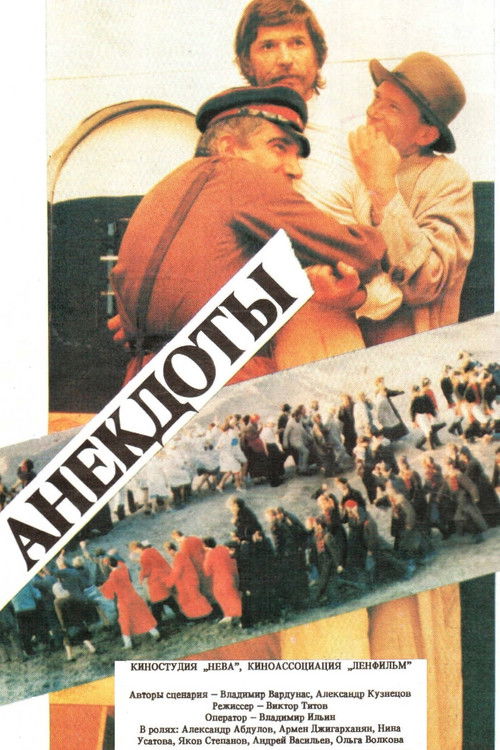
Viktor Titov's *Jokes* uses a satirical lens to examine the tension between individual expression and systemic control. By placing a man with a hereditary talent for humor in a mental institution, the film explores how unconventional cognitive patterns are treated as diseases by the state. The film excels in its portrayal of neurodivergence, reframing mental eccentricity as a source of social disruption rather than a mere deficit. This approach elevates the characters from passive patients to agents of intellectual defiance. However, the film's diversity is limited by its era and focus. The lack of explicit information regarding LGBTQ+ representation and the likely ethnic homogeneity of the period prevent a higher overall score.
Category Breakdown
The film does not explicitly depict queer identities or same-sex intimacy. While the psychiatric setting provides a thematic space for outsiders, there is no clear evidence of LGBTQ+ character arcs.
The story centers on a male protagonist and his family lineage. It explores how a man's unique talent is pathologized by authorities, potentially challenging traditional masculine roles and social utility.
Reflecting its 1990 production context, the film likely features a homogeneous ethnic cast. There is no indication of significant ethnic blending or diverse racial casting within the narrative.
The film offers a sharp critique of institutional authority. By framing humor as a medical pathology, it disrupts conventional respect for state-sanctioned social and medical structures.
The narrative provides a nuanced look at neurodivergence. It positions the protagonist's humor as a form of intellectual eccentricity rather than a deficit, avoiding common clichés of the 'broken' individual.
Present on Screen
Limited or Absent
Official Synopsis
Vasily Kutuzov, the namesake of the famous commander, ends up in a mental hospital because of his talent for making up jokes. Everyone in his family had this gift, and many suffered because of it. The authorities didn't like that the Kutuzovs were bothering people. Vasily's neighbors in the ward are all famous people who left a mark in history. So he amuses them until the doctors decide to cure him of this "disease"...
1961
1965
1994
1975
2000
1941
1991
1981
No reviews yet. Be the first to share your thoughts on this movie!
Use the rating form above to leave a star rating and optional review.