Le bahut va craquer
1981
No user ratings available yet
Representation score: 4.0 out of 10
Representation Score
Fair
1968
Director
Jean-Pierre Mocky
Runtime
95 minutes
Average Rating
No ratings yetNew Showbiz Analysis
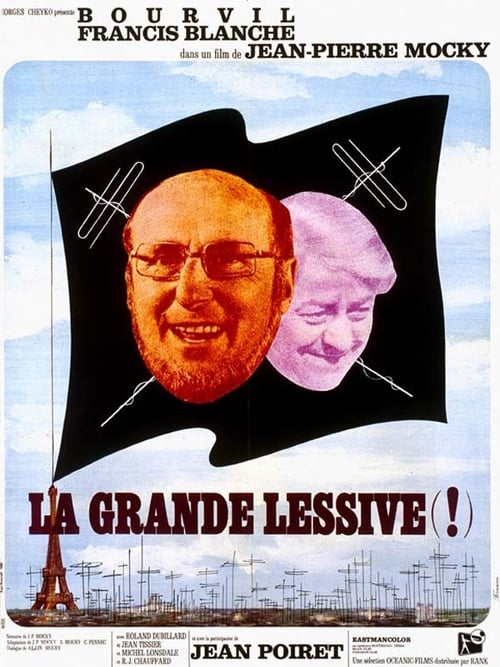
Jean-Pierre Mocky’s satire targets the emptiness of the prevailing social order, specifically attacking the grip of television and consumerism. The film succeeds as a cultural critique, using absurdity to challenge the sanctity of modern Western institutions and materialism. However, the work lacks depth in demographic representation. The narrative prioritizes a hive-mind social behavior over individual character studies, leaving little room for nuanced explorations of gender, race, or sexual orientation. Ultimately, the film is a specialized critique of societal structures rather than a diverse character study. It trades broad multi-layered themes for a concentrated, acerbic attack on bourgeois sensibilities and institutional authority.
Category Breakdown
The film focuses on collective social mania and critiques consumerism. It doesn't have significant LGBTQ+ character arcs or diverse gender identities, reflecting the cinematic limitations of the time.
Characters mainly act as archetypes of a consumerist society. While it doesn't overtly promote traditional hierarchies, the film lacks nuanced explorations of gendered power dynamics or individual ability to act.
The cast appears largely homogeneous, focusing on the middle and working classes of 1960s France. There is no evidence of significant diversity in casting.
The film excels as a sharp anti-capitalist satire. It deconstructs Western progress by portraying the obsession with modern novelty and consumer goods as a form of societal madness.
No characters with visible or invisible disabilities are portrayed with ability to act. Any depictions of neurodivergence likely serve the broader satirical theme of collective hysteria.
Present on Screen
Limited or Absent
Official Synopsis
Sickened to see his students always sleeping in class, a teacher with a colleague and an anarchist start a war against the television. They climbed on Paris roofs to coat the T.V. antennas with a special product cutting the signal reception.
1981

1966

1968
1933
1988
1970
1985
1972
No reviews yet. Be the first to share your thoughts on this movie!
Use the rating form above to leave a star rating and optional review.