
Adventures of a Dentist
1967
No user ratings available yet
Diversity score: 3.7 out of 10

1964
Director
Leonid Bykov
Runtime
87 minutes
Average Rating
No ratings yetSynopsis
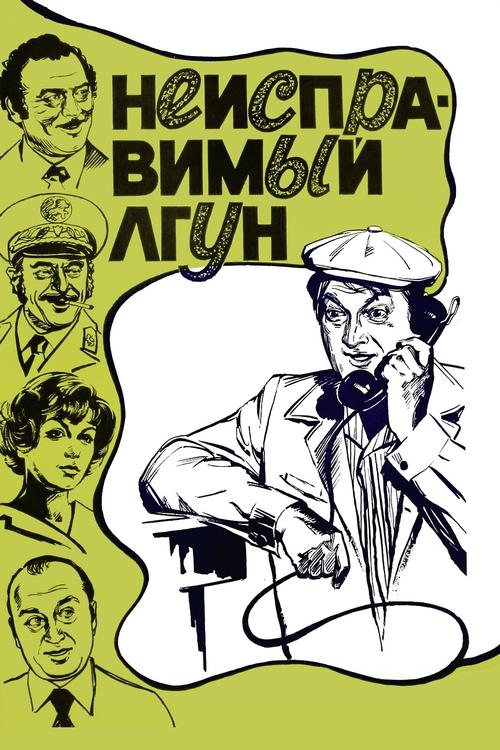
How can anyone take a person seriously when his last name is Zaychik (Little Hare). Everyone can manipulate and make fun of him. And Zaychik never strikes back just because he is too shy. But to the surprise of everyone love makes a lion out of little hare.
Overall Score
Limited
Category Breakdown
LGBTQ+ Representation
The film relies on conventional romantic tropes of the era. There is no evidence of non-cisnormative identities or critiques of heteronormativity.
Gender Representation
The plot centers on a male protagonist's development. While it subverts some masculine archetypes through vulnerability, the primary driver is traditional romantic motivation.
Racial & Ethnic Diversity
The film likely reflects a relatively homogeneous social environment. There is no indication of intersectional casting or the inclusion of diverse ethnic groups.
Religious & Cultural Diversity
The narrative suggests a critique of social cruelty by centering on a manipulated character. However, it aligns with traditional communal values.
Disability Representation
The protagonist's extreme shyness functions as a psychological barrier. There is a risk that social vulnerability is used as a comedic device.
Strengths
Areas for Improvement
AI Analysis
Little Hare is a character-driven comedy that utilizes the classic underdog archetype. The story follows Zaychik, a man whose name and shy temperament make him a target for social manipulation and bullying. His journey moves from passivity to agency, triggered by the catalyst of love. While the film offers a narrative of personal empowerment, it lacks intersectional complexity. The themes remain rooted in the traditional social and romantic frameworks of 1964 Soviet cinema, focusing on individual growth rather than systemic critique. Ultimately, the film functions as a study of the common man's struggle against social hierarchies, though it does not venture into diverse representation or modern identity politics.
1967
1980
1991
1953
1984
1989
1962

1956
1955
1961

2001
1973
No reviews yet. Be the first to share your thoughts on this movie!
Use the rating form above to leave a star rating and optional review.