The New Testament
1936
No user ratings available yet
Diversity score: 2.4 out of 10

1993
Director
Mikhail Tumanishvili
Runtime
83 minutes
Average Rating
No ratings yetSynopsis
A middle-aged, alcoholic lawyer inherits a mysterious, unsigned will from his father.
Overall Score
Limited
Category Breakdown
LGBTQ+ Representation
The film lacks evidence of non-cisnormative identities or same-sex intimacy. The narrative focuses on a middle-aged male protagonist, suggesting a traditional character framework.
Gender Representation
The story centers on a male lawyer and paternal lineage, reinforcing patriarchal structures. However, the comedic trope of the inept male may subtly undermine traditional masculine authority.
Racial & Ethnic Diversity
The cast appears predominantly Slavic, reflecting the post-Soviet cinematic landscape of the era. There is no indication of a multi-ethnic or diverse cast.
Religious & Cultural Diversity
The film engages with the deconstruction of historical power and totalitarianism. It uses comedy to move away from state-sanctioned morality toward a more skeptical perspective.
Disability Representation
The protagonist's alcoholism introduces themes of dependency and chronic health issues. However, these appear to function more as comedic character flaws than nuanced explorations of illness.
Strengths
Areas for Improvement
AI Analysis
Stalin's Testament is a product of the early 1990s post-Soviet transition, focusing on the collapse of old hierarchies. Its narrative strength lies in its skepticism toward institutional authority and historical reverence. While the film lacks modern intersectional markers, it provides a cynical, comedic look at systemic disillusionment. The focus remains heavily on a male-driven inheritance plot within a predominantly Slavic context. Ultimately, the film serves as a period-specific exploration of social restructuring rather than a diverse character study.
1936
1967
1985
2026
2000

1960
1958
1952

2018

2013
1992
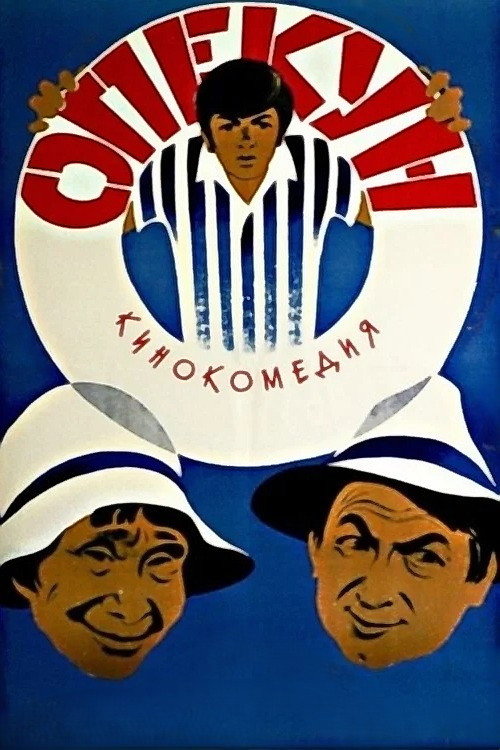
1971
No reviews yet. Be the first to share your thoughts on this movie!
Use the rating form above to leave a star rating and optional review.