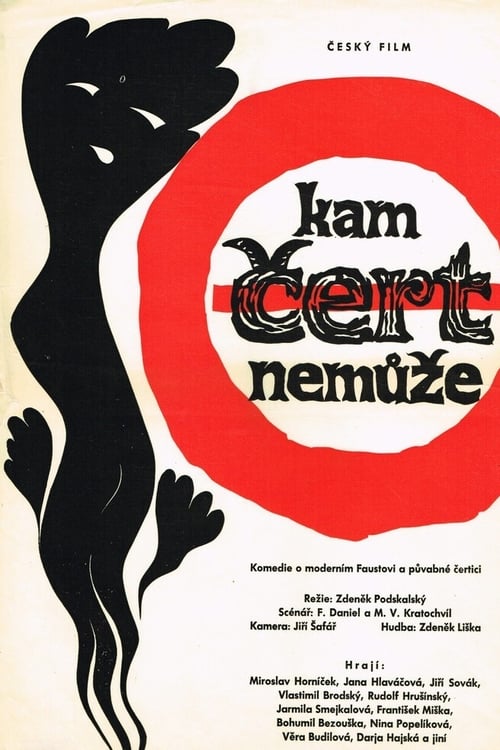
When the Woman Butts In
1960
No user ratings available yet
Diversity score: 4.0 out of 10
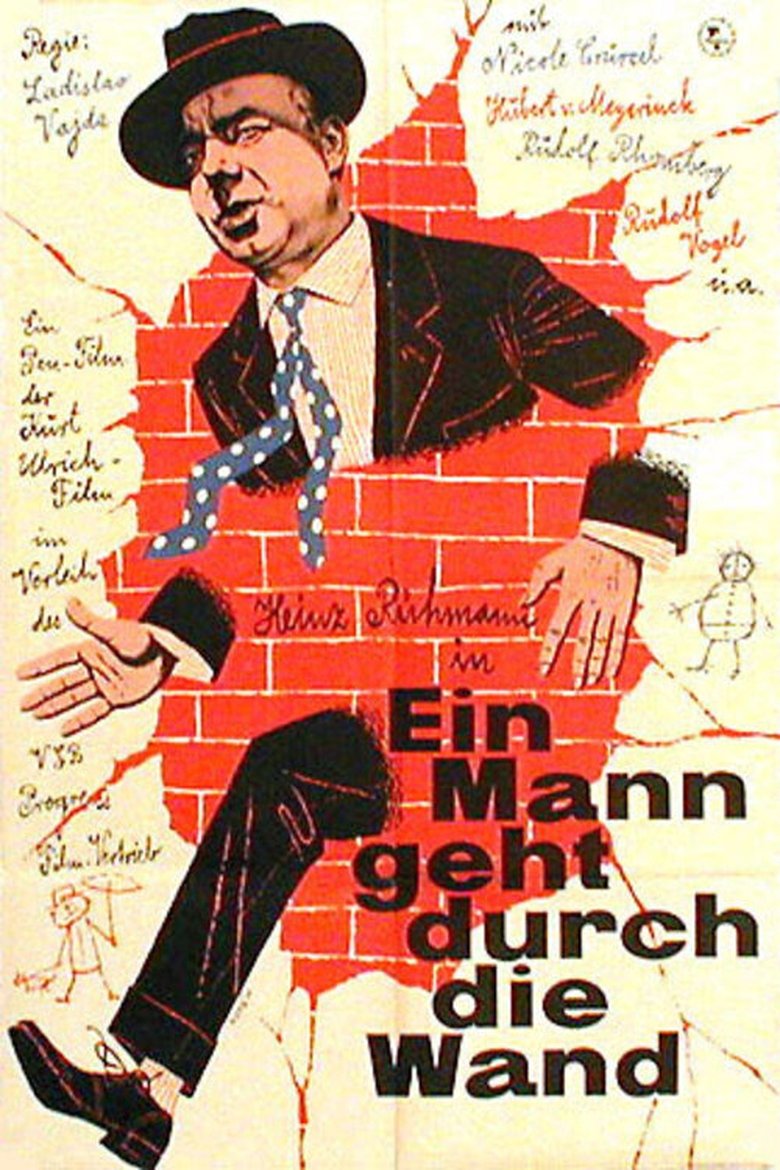
1959
Director
Ladislao Vajda
Average Rating
No ratings yetSynopsis
Mr. Buchsbaum, third class taxes employee, lives a peaceful life until the new chief immediately criticizes his work. His only confort is his stamps collection. Sadly, even this consolation and his peace are threatened by a new, charming, neighbour who teaches piano. Increasingly infuriated, he discovers accidentally one evening that he has the ability to go through walls. With this power, he decides to settle the scores, firstly with his boss who downgraded him.
Overall Score
Fair
Category Breakdown
LGBTQ+ Representation
The film lacks explicit LGBTQ+ characters or narratives. The plot centers on traditional romantic and social frameworks typical of the era.
Gender Representation
The story focuses on a male protagonist's professional and domestic struggles. While a female neighbor appears, she serves primarily as a catalyst for the man's conflict.
Racial & Ethnic Diversity
The production reflects the demographic homogeneity of 1959 Europe. There is no evidence of multicultural casting or intentional racial diversity in the narrative.
Religious & Cultural Diversity
The film offers a critique of rigid Western bureaucracy and capitalism. It uses magical realism to challenge institutional authority and professional hierarchies.
Disability Representation
The protagonist's ability to walk through walls acts as a non-standard physical capability. This provides a unique form of agency, though it is not a traditional disability depiction.
Strengths
Areas for Improvement
AI Analysis
The film is a character-driven comedy that prioritizes individual agency over systemic rigidity. Its primary strength lies in its subtle subversion of mid-century institutional authority through magical realism. However, the work lacks modern intersectional markers. It adheres to the demographic and social norms of its time, offering little representation regarding race, gender equality, or sexual orientation. Ultimately, the film functions more as a social critique of bureaucracy than a diverse ensemble piece, focusing on the personal struggle against impersonal structures.
1960

1968
1976

1967

2002

1967
1959
1982
1951
1989

1956
1958
No reviews yet. Be the first to share your thoughts on this movie!
Use the rating form above to leave a star rating and optional review.