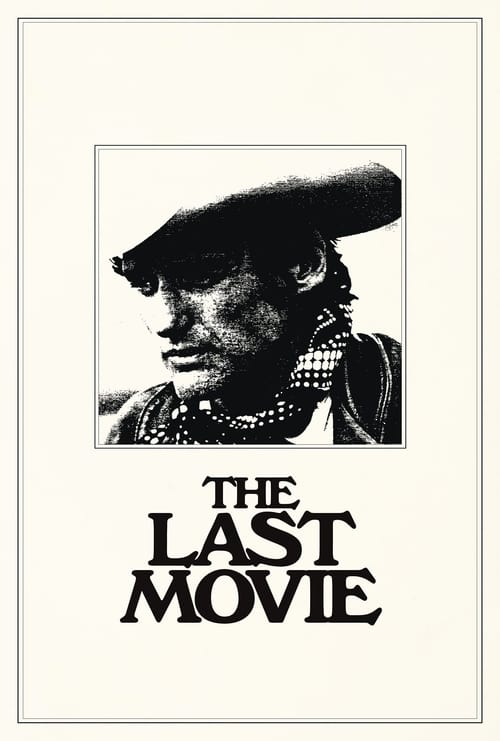
The Last Movie
1971
No user ratings available yet
Diversity score: 6.4 out of 10
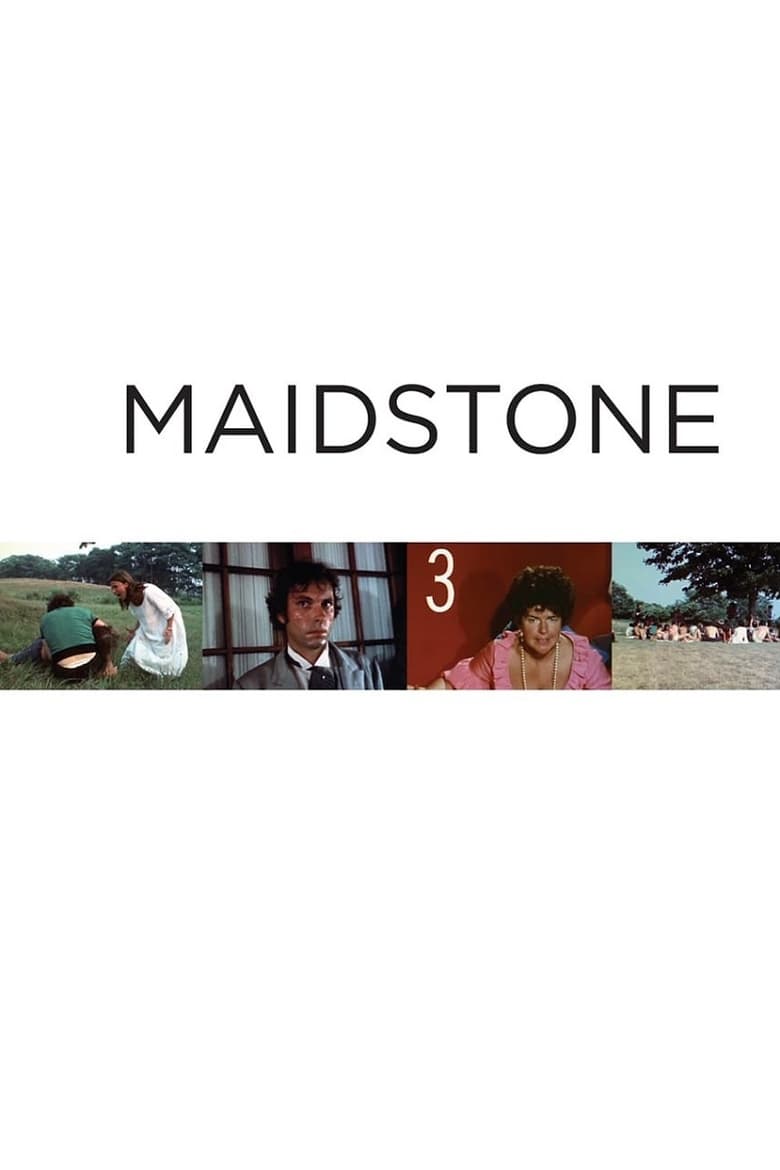
1971
Director
Norman Mailer
Runtime
106 minutes
Average Rating
No ratings yetSynopsis
Over a booze-fueled, increasingly hectic five-day shoot in East Hampton, Norman Mailer and his cast and crew spontaneously unloaded onto film the lurid and loony chronicle of U.S. presidential candidate and filmmaker Norman T. Kingsley debating and attacking his hangers-on and enemies. This gonzo narrative, “an inkblot test of Mailer’s own subconscious” (Time), becomes something like a documentary on its own making when costar Rip Torn breaks the fourth wall in one of cinema’s most alarming on-screen outbursts.
Overall Score
Fair
Category Breakdown
LGBTQ+ Representation
The film lacks discernible LGBTQ+ narratives or characters. Queer identity is not utilized as a narrative driver within the production's focus on political friction.
Gender Representation
The narrative revolves around male-dominated power struggles and aggressive hierarchies. Women appear as observers or secondary participants rather than central agents of the plot.
Racial & Ethnic Diversity
The film presents a heterogeneous social landscape reflecting 1970s counterculture. Various ethnic groups appear within the social context, though they lack high-agency character arcs.
Religious & Cultural Diversity
The work excels at deconstructing Western institutions and political authority. It portrays the establishment as fractured and performative through a visceral, anti-establishment lens.
Disability Representation
There are no prominent depictions of visible or invisible disabilities serving as meaningful narrative elements in this production.
Strengths
Areas for Improvement
AI Analysis
Maidstone is a postmodern experiment that prioritizes systemic critique over intersectional character development. It functions as a gonzo exploration of power, using chaos to dismantle the concept of institutional stability. While the film lacks depth in representing specific identities like gender or sexuality, it succeeds in its subversion of cultural norms. It replaces traditional order with a subjective, morally relativistic view of authority. Ultimately, the film's value lies in its disruption of the filmmaker's role and its aggressive challenge to the sanctity of objective documentary filmmaking.
1971
1971
1977
2004
1960

1969
1962

1964
1969

1984
1972

1984
No reviews yet. Be the first to share your thoughts on this movie!
Use the rating form above to leave a star rating and optional review.