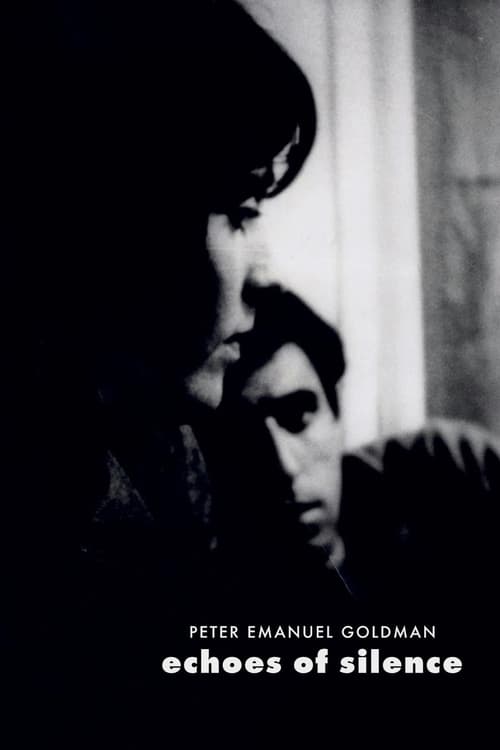
Echoes of Silence
1965
No user ratings available yet
Representation score: 4.7 out of 10

Representation Score
Fair
1964
Director
Stephen Dwoskin
Runtime
13 minutes
Average Rating
No ratings yetNew Showbiz Analysis
Stephen Dwoskin’s *Naissant* sits within a mid-1960s cinematic transition where experimental modes often challenged established social hierarchies. The film's placement in the avant-garde tradition suggests an interest in deconstructing traditional storytelling and social norms. While the film's production context in New York and London offers a backdrop for potential cultural diversity, the specific narrative details regarding character identity are not well-documented. The film functions more as an artistic exploration of subjectivity than a targeted study of demographic representation. Ultimately, the film reflects the moderate inclusion levels typical of the era's experimental movements. It challenges traditional storytelling without providing specific evidence of diverse character traits.
Category Breakdown
The film's experimental nature suggests an exploration of identity and subjectivity. However, there is no clear depiction of non-straight identities.
The role of lead Beverly Grant is not clearly defined. The film does not explicitly challenge traditional gender roles.
The film's setting in New York and London hints at potential cross-cultural stories. However, there is no evidence of a non-Anglo-Saxon majority cast.
The film likely focuses on individual experiences rather than institutional values. Its avant-garde style suggests a potential deconstruction of standard social structures.
There is no information available regarding the portrayal of neurodivergence or physical disabilities in this work.
Present on Screen
Limited or Absent
Official Synopsis
Filmed in New York in 1964, completed in London 1967.
1965
1977
1960

1961
1967
1962
1966
1970
No reviews yet. Be the first to share your thoughts on this movie!
Use the rating form above to leave a star rating and optional review.