Rattlesnake
1977
No user ratings available yet
Representation score: 3.8 out of 10
Representation Score
Fair
1971
RDirector
Dennis Hopper
Runtime
108 minutes
Average Rating
No ratings yetNew Showbiz Analysis
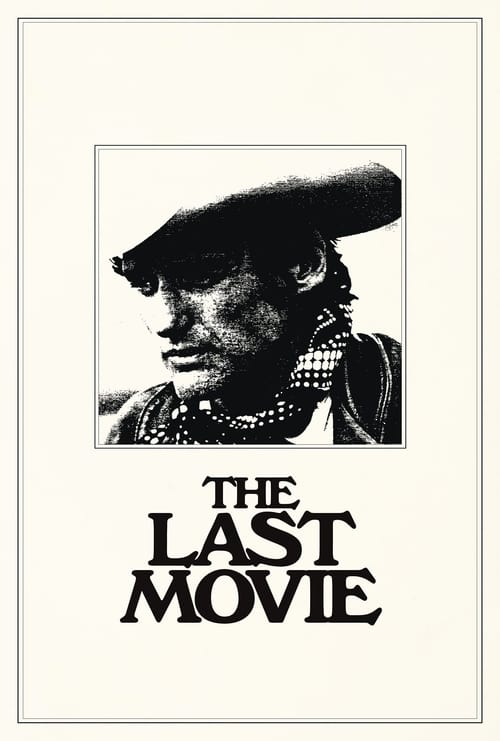
Dennis Hopper’s film serves as a postmodern critique of the Western genre. It examines the power dynamics between a dominant Hollywood entity and the local communities it exploits. The film uses the setting to highlight the colonialist tendencies and the destabilizing nature of Western hegemony. However, the film’s focus is narrow in terms of individual identity representation. It lacks meaningful engagement with LGBTQ+ themes or disability representation, and female characters are often confined to archetypes rather than being given narrative independence. Ultimately, the film’s strength lies in its intellectual depth regarding cultural imperialism rather than its range of diverse character types.
Category Breakdown
The film does not include explicit LGBTQ+ characters or explore non-straight relationships. Its focus is on the interactions between the film crew and the local community.
Gender is explored as a performance, but the male protagonist dominates the narrative. Female characters have limited development and rarely drive the plot independently.
The film highlights the tension between Western media and underrepresented communities. It focuses on the impact of a Hollywood crew intruding into spaces occupied by Mexican-American and Native American residents.
The story provides a critical look at Western institutional influence and cultural imposition. It portrays the film crew as a disruptive force in the local social fabric.
There are no significant characters with visible or invisible disabilities used as central plot devices.
Present on Screen
Limited or Absent
Official Synopsis
After a film production wraps in Peru, an American wrangler decides to stay behind, witnessing how filmmaking affects the locals.
1977
1963
1961

1964
1965

1978
1975

1982
No reviews yet. Be the first to share your thoughts on this movie!
Use the rating form above to leave a star rating and optional review.