Panther
1995
No user ratings available yet
Diversity score: 7.0 out of 10
2004
RDirector
Mario Van Peebles
Runtime
108 minutes
Average Rating
No ratings yetSynopsis
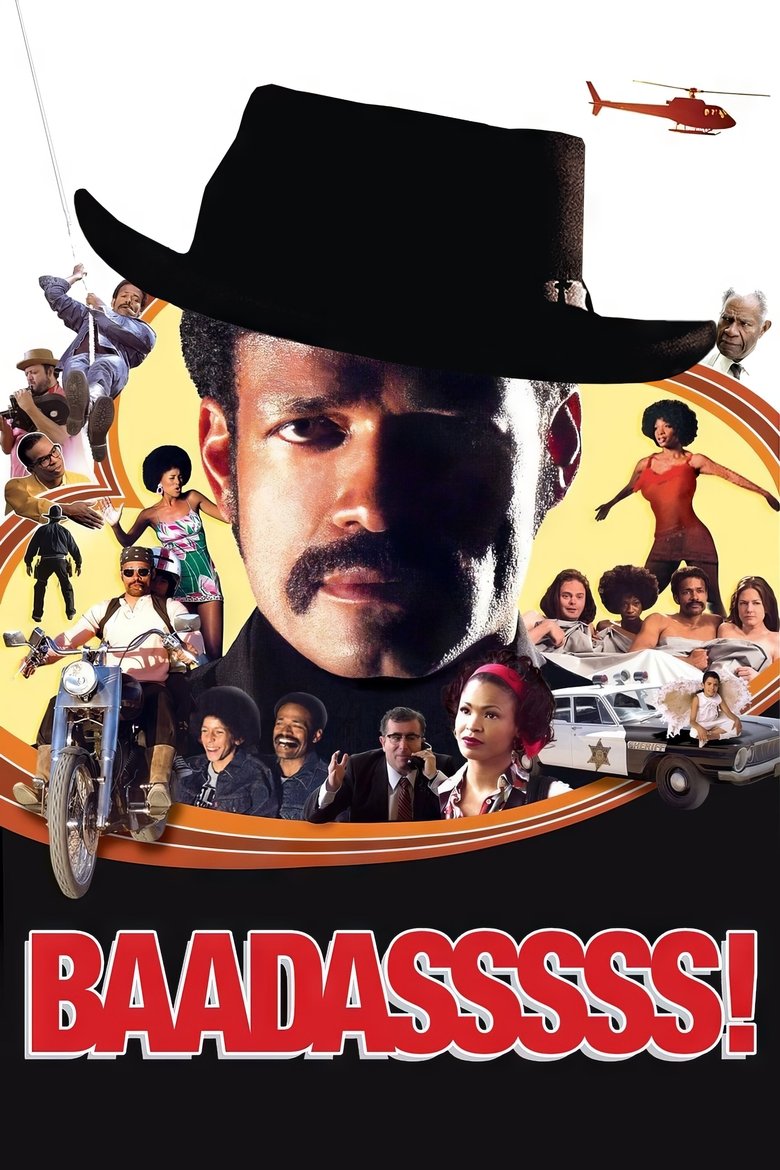
Director Mario Van Peebles chronicles the complicated production of his father Melvin's classic 1971 film, "Sweet Sweetback's Baadasssss Song." Playing his father in the film, Van Peebles offers an unapologetic account of Melvin's brash and sometimes deceptive conduct on the set of the film, including questionable antics like writing bad checks, tricking a local fire department and allowing his son, Mario, to shoot racy sex scenes at the age of 11.
Overall Score
Good
Category Breakdown
LGBTQ+ Representation
The narrative focuses heavily on racial identity and the Black cinematic tradition. It lacks prominent LGBTQ+ characters or non-heteronormative storylines, though this seems tied to its specific biographical focus.
Gender Representation
Agency is largely concentrated within the male protagonist's pursuit of artistic liberation. While it depicts Black family life, the film leans toward traditional masculine leadership and patriarchal structures.
Racial & Ethnic Diversity
The film centers the Black experience and disrupts the white gaze. It provides deep, nuanced agency by documenting the struggle to navigate a segregated film industry.
Religious & Cultural Diversity
The story offers a sophisticated critique of the Hollywood studio system and its exclusionary capitalist structures. It frames these institutions as oppressive barriers to Black creative autonomy.
Disability Representation
There is no significant evidence regarding the portrayal of physical or neurodivergent disabilities within the film's narrative.
Strengths
Areas for Improvement
AI Analysis
Baadasssss! is a powerful work of narrative reclamation that centers the struggle for Black creative agency. It succeeds by deconstructing institutional power and challenging the systemic exclusion of creators of color within the 20th-century film industry. However, the film's narrow biographical focus limits its breadth. The narrative architecture prioritizes racial and historical struggles, which results in a lack of representation for LGBTQ+ identities and a heavy lean toward patriarchal leadership. Ultimately, the film excels as a critique of Western institutional hegemony, even if it does not actively subvert gender hierarchies or address disability.
1995
1971
1988
1999
1999

1984
2001

2001
2013
2000

2001
2000
No reviews yet. Be the first to share your thoughts on this movie!
Use the rating form above to leave a star rating and optional review.