
Story of a Junkie
1985
No user ratings available yet
Representation score: 6.1 out of 10
Representation Score
Good
1962
Not RatedDirector
Shirley Clarke
Runtime
103 minutes
Average Rating
No ratings yetNew Showbiz Analysis
Shirley Clarke’s film stands out for its dedication to authentic racial representation and its refusal to impose a rigid moral framework. By showcasing the professional dynamics of the New York jazz scene, the film provides nuanced portrayals of Black characters. However, the film adheres to the gender norms of the time, focusing on male-dominated social spaces which limits the development of female characters and overlooks LGBTQ+ identities. Overall, the film’s strength lies in its observational approach, validating underrepresented identities through lived experiences rather than institutional judgments, despite operating within the social constraints of the era.
Category Breakdown
The film does not feature explicit representations of LGBTQ+ identities or queer romantic relationships. While the nighttime city setting allows for social flexibility, the story does not focus on queer characters or experiences.
The story centers around male-dominated environments such as jazz clubs and drug circles. Female characters are often positioned on the sidelines, defined primarily by their relationships to the main male characters.
The film successfully captures authentic Black urban life within the jazz community. With a predominantly Black cast, Clarke ensures that characters have significant roles and complexity.
The film adopts a secular, subjective viewpoint, avoiding the singular moral stance typical of mid-century dramas. It highlights the experiences of underrepresented outsiders through a realistic, non-judgmental lens.
The film addresses issues like addiction and the psychological impact of urban isolation. Characters have substantial roles, but the story does not specifically focus on neurodivergence or physical disabilities.
Present on Screen
Limited or Absent
Official Synopsis
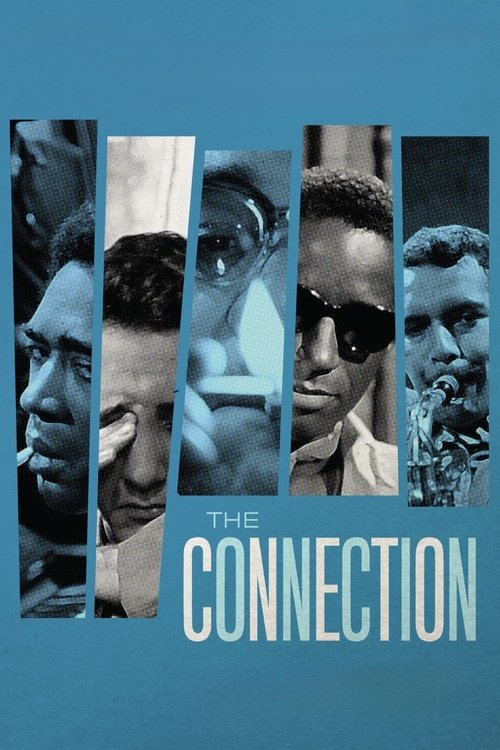
Eight drug addicts are waiting for their connection in a New York apartment while a two-man documentary team films the proceedings. Things go out of control as the men grow increasingly nervous and the cameraman keeps recording.
1985

1956
1970
1982

1975
1971
1986

2015
No reviews yet. Be the first to share your thoughts on this movie!
Use the rating form above to leave a star rating and optional review.