
Doctor Glas
1968
No user ratings available yet
Diversity score: 4.5 out of 10
1969
Director
Milton Moses Ginsberg
Runtime
110 minutes
Average Rating
No ratings yetSynopsis
A psychiatrist secretly films his female patients as an experiment; he pushes both him and his customers in ways that induce his own mental breakdown.
Overall Score
Fair
Category Breakdown
LGBTQ+ Representation
The film focuses almost exclusively on heteronormative relationship dynamics. It lacks LGBTQ+ characters or narratives that critique heteronormativity through non-cisnormative identities.
Gender Representation
The narrative explores shifting gender hierarchies by centering on the friction between domestic expectations and female independence. It grants the female perspective significant psychological agency.
Racial & Ethnic Diversity
The scope is largely confined to a white, middle-class, urban demographic. There is a lack of intersectional depth regarding race or ethnic identity within the character arcs.
Religious & Cultural Diversity
The film engages with anti-materialist themes by critiquing consumerist, upwardly mobile lifestyles. It uses the breakdown of the nuclear family to critique traditional Western social institutions.
Disability Representation
Mental instability is used as a tool for character study regarding urban alienation. Characters are not portrayed through a lens of neurodivergent empowerment.
Strengths
Areas for Improvement
AI Analysis
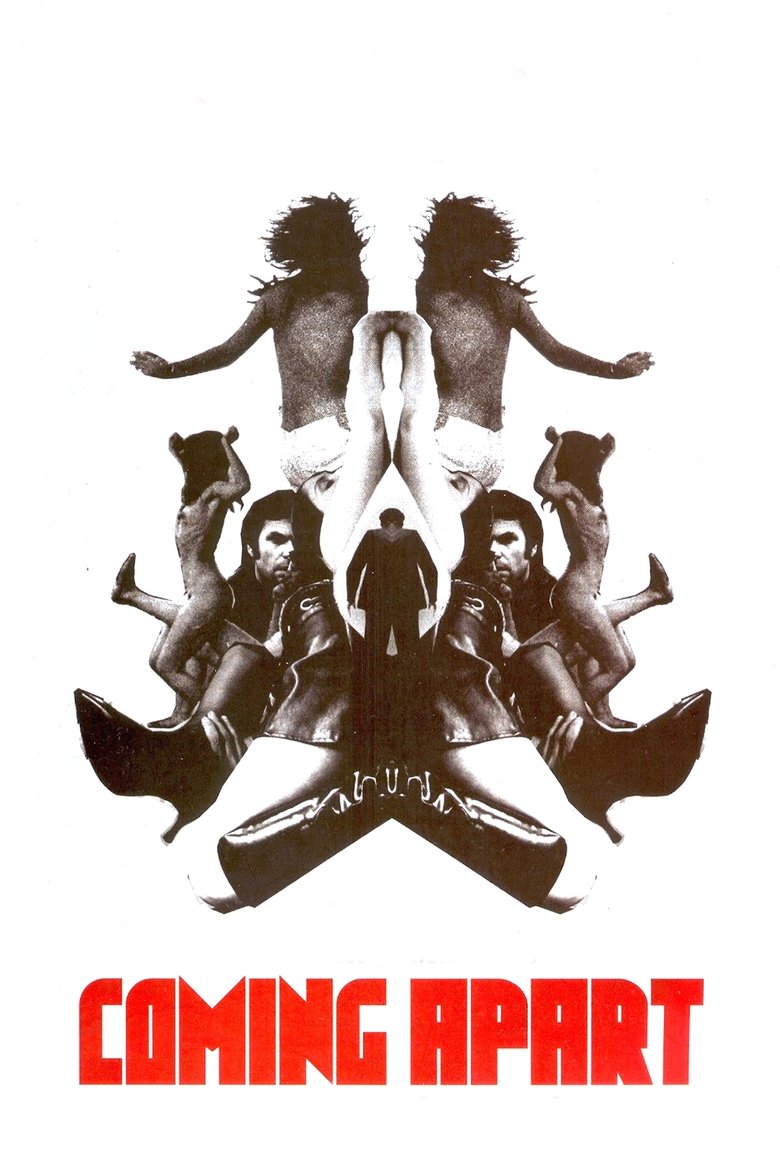
Coming Apart serves as a transitional New Hollywood text that prioritizes psychological fragmentation over traditional moral cohesion. It succeeds in deconstructing the nuclear family and critiquing the hollow nature of capitalist-driven social climbing. However, the film remains limited by the era's cinematic constraints, offering a very homogeneous portrayal of the New York professional class. The lack of racial, ethnic, and LGBTQ+ representation keeps the overall diversity score low. Ultimately, the film's strength lies in its progressive disruption of domestic stability and its embrace of a relativistic view of identity, even if it fails to provide intersectional depth.
1968
1962
1968

1967

1975
1976

1964
1969

1972
1968
1955

1993
No reviews yet. Be the first to share your thoughts on this movie!
Use the rating form above to leave a star rating and optional review.