The Subterraneans
1960
No user ratings available yet
Representation score: 4.7 out of 10
Representation Score
Good
1960
Director
Ben Maddow, Sidney Meyers, Joseph Strick
Runtime
68 minutes
Average Rating
No ratings yetNew Showbiz Analysis
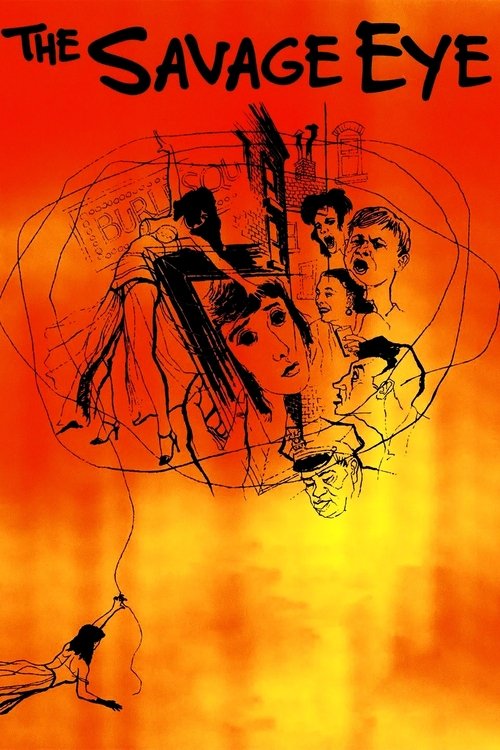
The Savage Eye is a striking avant-garde exploration of urban alienation. It stands out by focusing on a female protagonist to challenge traditional social hierarchies and critique the emptiness of mid-century capitalist prosperity. However, the film remains constrained by the era's limitations, lacking explicit LGBTQ+ identities or specific disability narratives. While it realistically portrays a diverse urban population, it does not intentionally represent these specific categories. Ultimately, the film's strength lies in its cultural critique and its rejection of conventional moral and domestic structures.
Category Breakdown
The film does not explicitly depict LGBTQ+ identities or non-traditional gender expressions. Sexual frustration is presented as part of general human isolation rather than through specific queer stories.
The story focuses on Judith McGuire's female perspective, which challenges traditional domestic roles and critiques the hypocrisies and vanities of patriarchal society.
The film captures a diverse urban population through realistic, documentary-style vignettes. This approach highlights the ethnic complexity of the city, avoiding the uniform white domesticity typical of 1960s cinema.
The film offers a progressive critique of the American Dream and Western institutions. It questions capitalist urban prosperity as a source of spiritual emptiness.
The film explores psychological issues and mental distress rather than physical disabilities. These states highlight urban alienation without giving characters specific ability to act regarding their conditions.
Present on Screen
Limited or Absent
Official Synopsis
Resentful after an ugly divorce from her unfaithful husband, Judith McGuire moves to Los Angeles. Adrift and detached, she spends her days and nights wandering through her new city, cynically remarking on the hypocrisy, vanity and brutality of the modern world and humanity's alienation from themselves and each other.
1960

1964

1964
1956
1957
1970
1966
1960
No reviews yet. Be the first to share your thoughts on this movie!
Use the rating form above to leave a star rating and optional review.