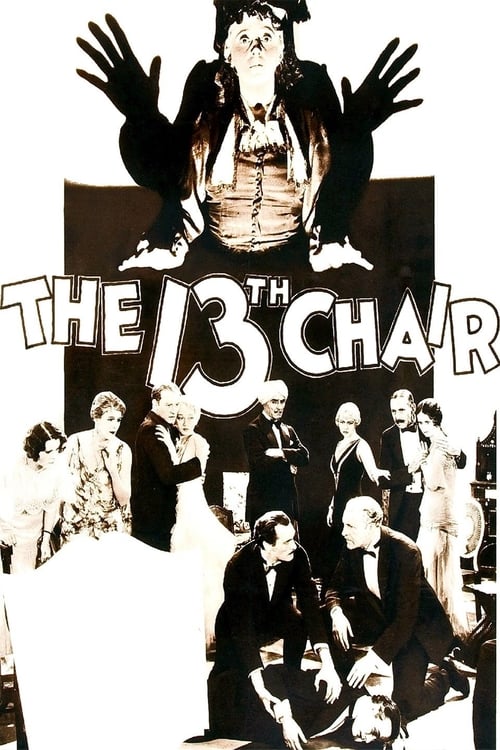
The Thirteenth Chair
1929
No user ratings available yet
Representation score: 2.3 out of 10
Representation Score
Minimal
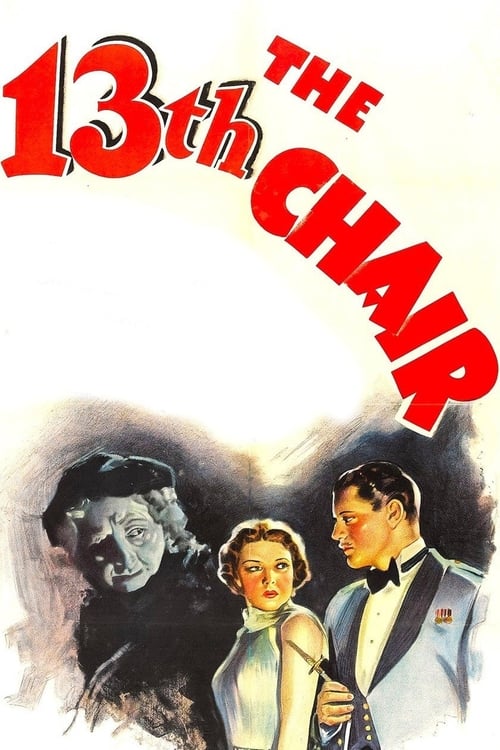
1937
NRDirector
George B. Seitz
Runtime
66 minutes
Average Rating
No ratings yetNew Showbiz Analysis
The Thirteenth Chair is a quintessential 1930s mystery that prioritizes suspense and whodunit mechanics over social exploration. It functions as a traditional genre piece, maintaining the status quo of its era without attempting to disrupt established social or gendered norms. The film's narrative structure revolves around a closed-circle mystery within a grand mansion. This setting reinforces a Western, Anglo-centric social milieu that lacks racial or cultural diversity. Ultimately, the production reflects the demographic and social homogeneity typical of high-society films from this period. It prioritizes conventional storytelling over any intentional multi-layered representation.
Category Breakdown
The film does not include any non-straight or non-cisgender identities. It operates within a framework that assumes everyone is straight or cisgender.
The central female protagonist holds narrative importance, but her role is tied to genre requirements rather than challenging gender hierarchies. Female characters largely adhere to traditional roles of the period.
The cast is predominantly white, reflecting the demographic homogeneity of 1930s high-society mysteries. The setting reinforces a Western, Anglo-centric social milieu without diverse ethnic inclusion.
The narrative reinforces traditional Western social structures and high socioeconomic status. It upholds the social order of its time without deconstructing traditional institutions or morality.
There is no significant evidence of characters with visible or invisible disabilities being portrayed with real power. The film does not engage with themes of disability representation.
Present on Screen
Limited or Absent
Official Synopsis
A phony psychic tries to solve a murder that took place during her seance.
1929
1940
1932
1944
1935
1944
1939

1933
No reviews yet. Be the first to share your thoughts on this movie!
Use the rating form above to leave a star rating and optional review.