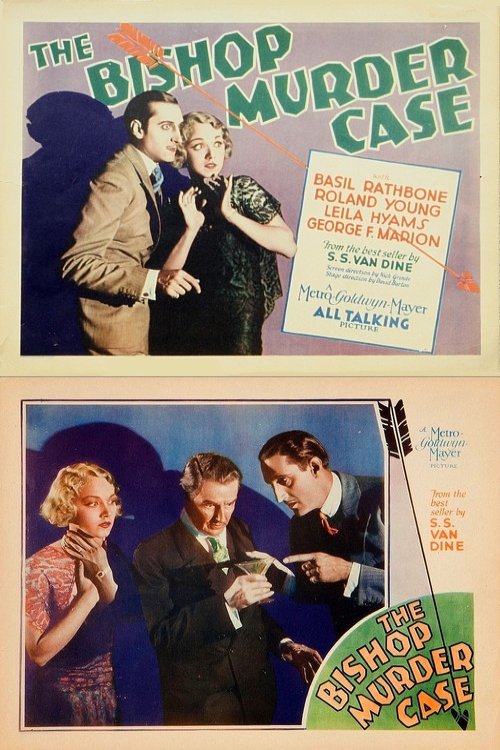
The Bishop Murder Case
1929
No user ratings available yet
Diversity score: 1.8 out of 10

1915
PassedDirector
Edward LeSaint
Runtime
50 minutes
Average Rating
No ratings yetSynopsis
Wealthy spinster, Rachel Innes rents a country house with her niece and nephew for the summer, only for a series of strange occurrences and a murder at the house's circular staircase to lead to shocking revelations about the home's owner and the family secrets within the house.
Overall Score
Limited
Category Breakdown
LGBTQ+ Representation
The film lacks depictions of non-cisnormative identities or same-sex intimacy. It operates within the heteronormative constraints typical of 1915 cinema.
Gender Representation
Rachel Innes provides central agency as a female protagonist. However, the narrative relies on the 'wealthy spinster' trope and reinforces traditional domestic social hierarchies.
Racial & Ethnic Diversity
The cast appears homogeneous, reflecting the standard casting practices of the era. There is no indication of racial blending or non-white majority representation.
Religious & Cultural Diversity
The story is rooted in traditional Western social norms and class structures. It explores domestic morality and family secrets within an established Western framework.
Disability Representation
There is no information available regarding the portrayal of physical or neurodivergent disabilities in this production.
Strengths
Areas for Improvement
AI Analysis
The film is a standard silent-era mystery that adheres strictly to the social and demographic hierarchies of the early 20th century. While it offers a central female lead, the characterization leans on period-specific tropes rather than progressive agency. Representation is largely absent, with the narrative focusing on a homogeneous, Western social structure. The film does not attempt to subvert traditional roles or introduce intersectional perspectives, functioning instead as a conventional genre piece.
1929
1923

1934
1929
1945

1935

1945
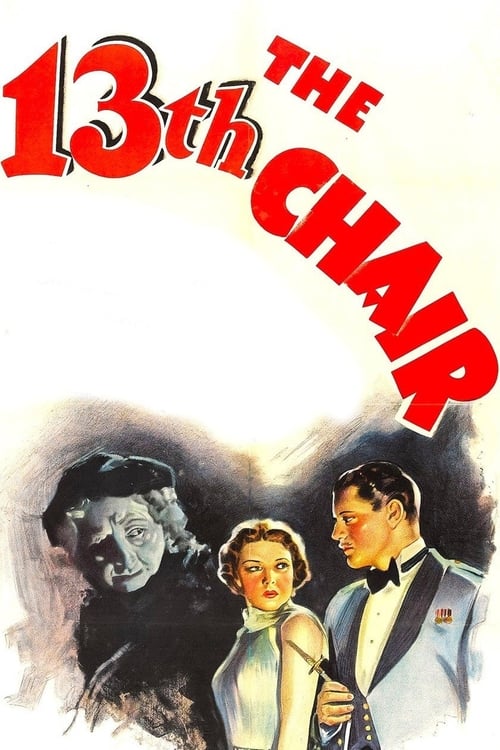
1937
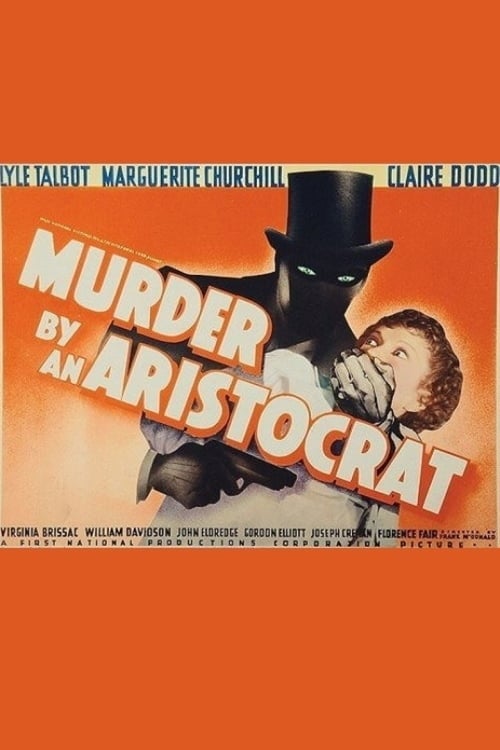
1936
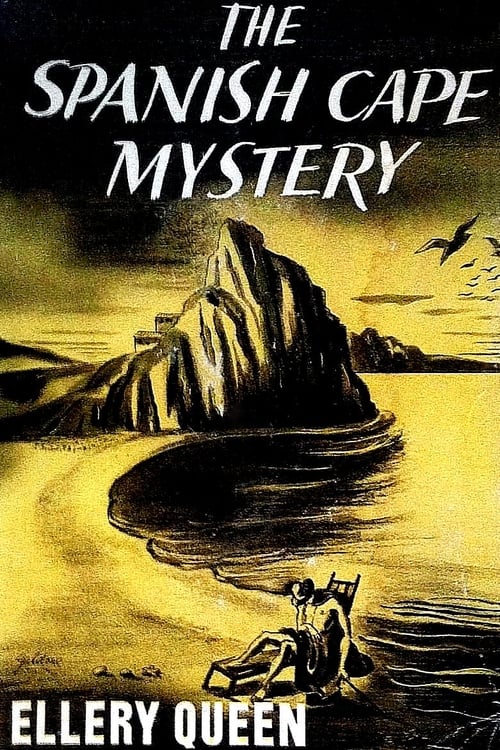
1935
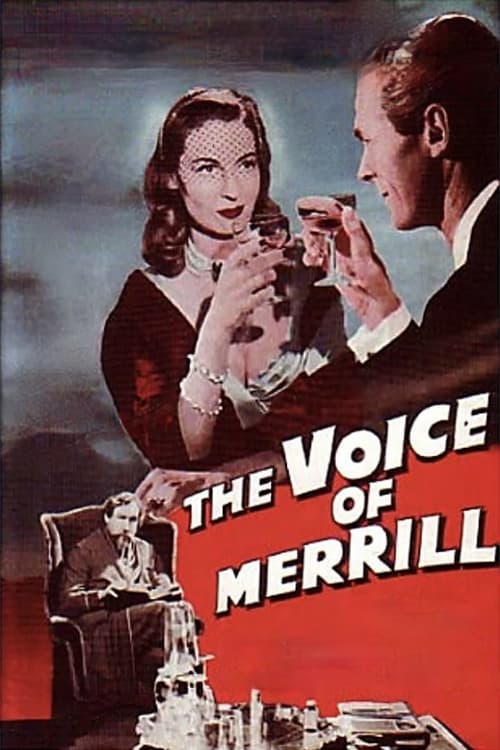
1952

1934
No reviews yet. Be the first to share your thoughts on this movie!
Use the rating form above to leave a star rating and optional review.