
Chained
1934
No user ratings available yet
Diversity score: 1.4 out of 10
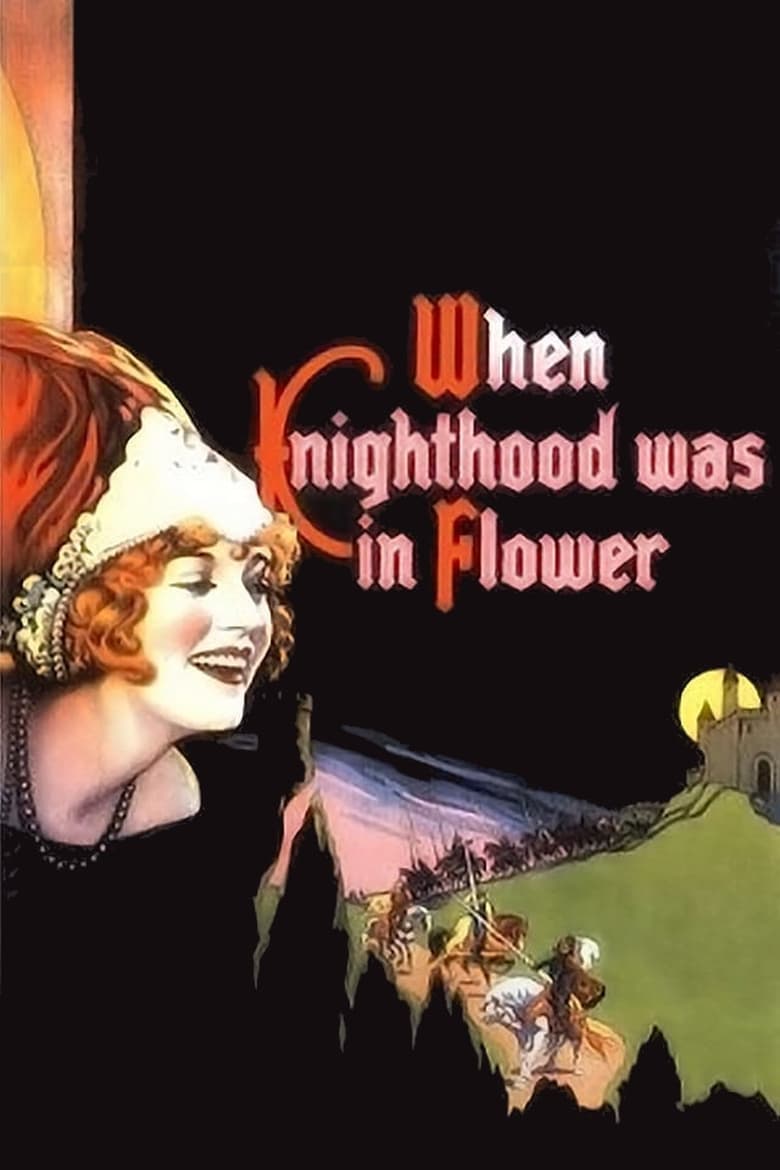
1922
NRDirector
Robert G. Vignola
Runtime
121 minutes
Average Rating
No ratings yetSynopsis
Mary Tudor falls in love with a new arrival to court, Charles Brandon. She convinces her brother King Henry VIII to make him his Captain of the Guard. Meanwhile, Henry is determined to marry her off to the aging King Louis XII of France as part of a peace agreement.
Overall Score
Limited
Category Breakdown
LGBTQ+ Representation
The film centers on a traditional romantic pursuit between Mary Tudor and Charles Brandon. There is no evidence of non-cisnormative identities or same-sex intimacy.
Gender Representation
Mary Tudor exercises agency by influencing King Henry VIII, yet her power remains tied to romantic and marital negotiations. The story operates within strict Tudor-era gender hierarchies.
Racial & Ethnic Diversity
The production reflects the homogeneous white European casting standards of 1922. No significant non-Anglo-Saxon characters are included in the narrative.
Religious & Cultural Diversity
The drama reinforces Western institutions like the Tudor monarchy and dynastic marriage. It lacks any critique of traditional religious or family structures.
Disability Representation
There is no discernible focus on characters with visible or invisible disabilities within the available narrative.
Strengths
Areas for Improvement
AI Analysis
When Knighthood Was in Flower is a standard historical romance that prioritizes period-accurate social stratification. The film adheres to the heteronormative and Eurocentric norms of the early 1920s, focusing on the romantic and political maneuvers of the Tudor court. While the female protagonist exerts influence, her agency is limited to the domestic and matrimonial spheres. The narrative reinforces existing power structures rather than challenging them, offering a conventional view of historical monarchy and statecraft. Ultimately, the film lacks intersectional complexity. It functions as a traditional period piece that upholds the social hierarchies of its setting without introducing diverse perspectives or subverting systemic dynamics.
1934

1931
1928
1924

1954
1927
1952
1921
1926
1940
1927

1932
No reviews yet. Be the first to share your thoughts on this movie!
Use the rating form above to leave a star rating and optional review.