
Conquest
1937
No user ratings available yet
Representation score: 0.5 out of 10

Representation Score
Minimal
1954
NRDirector
Henry Koster
Runtime
110 minutes
Average Rating
No ratings yetNew Showbiz Analysis
Désirée is a quintessential mid-century historical melodrama that prioritizes classic storytelling over challenging social norms. The film focuses on the romantic trajectories of historical figures, reinforcing the status quo of the Napoleonic era. The narrative structure upholds traditional hierarchies. While the female protagonist is central to the emotional arc, her influence is mediated through marital connections rather than independent authority. Ultimately, the film presents a homogeneous view of the era's ruling classes. It lacks diverse casting and avoids any systemic critique of the institutions it depicts.
Category Breakdown
The film strictly follows the assumption that everyone is straight or cisgender. There is no evidence of non-traditional gender identities or same-sex relationships.
Désirée Clary serves as the emotional anchor, yet her role is tied to her relationships with powerful men. The plot is primarily driven by male political and military actions.
The cast is predominantly white and European, reflecting the historical setting and 1954 Hollywood standards. It lacks diverse perspectives or color-blind casting.
The narrative operates within Western aristocratic and military traditions. It uses these institutions as a backdrop for personal drama without critiquing them.
There are no visible or invisible disabilities portrayed. The film does not engage with neurodivergence or physical disability within its main character arcs.
Present on Screen
Limited or Absent
Official Synopsis
In Marseilles, France in 1794, Desiree Clary, a young millinery clerk, becomes infatuated with Napoleon Bonaparte, but winds up wedding General Jean-Baptiste Berandotte, an aid to Napoleon who later joins the forces that bring about the Emperor's downfall. Josephine Beauharnais, a worldly courtesan marries Napoleon and becomes Empress of France, but is then cast aside by her spouse when she proves unable to produce an heir to the throne.
1937
1955

1948
1955
1958

1935
1940
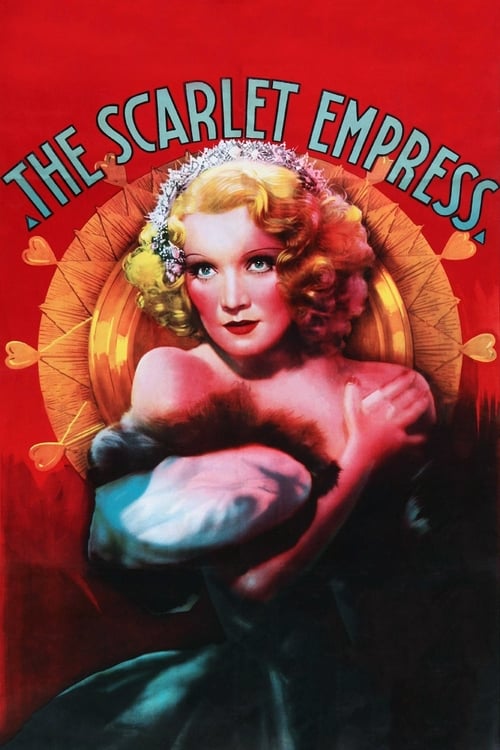
1934
No reviews yet. Be the first to share your thoughts on this movie!
Use the rating form above to leave a star rating and optional review.