
The Student Prince in Old Heidelberg
1928
No user ratings available yet
Representation score: 0.4 out of 10
Representation Score
Minimal
1926
PassedDirector
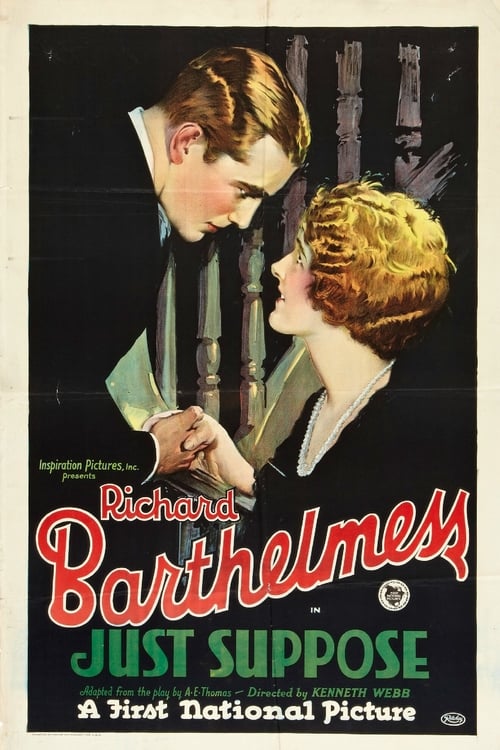
Kenneth S. Webb
Runtime
70 minutes
Average Rating
No ratings yetNew Showbiz Analysis
Just Suppose adheres to the dramatic and romantic conventions of the mid-1920s. The narrative relies on the classic cliché of high-status nobility interacting with common citizens, prioritizing sentimental romance over social critique. The film lacks representation that reflects multiple aspects of identity. It operates within a traditional framework that does not challenge established social or identity-based hierarchies, focusing instead on a predictable romantic archetype. Without specific details on the characters’ ethnicities or specific identities, the film appears to reflect the homogeneous casting and assumptions common to the silent film period.
Category Breakdown
The film does not include any characters with non-conforming gender identities or same-sex relationships. It focuses solely on a conventional romantic relationship.
The story centers around a traditional romantic relationship between a male prince and a female lead. It follows a conventional framework common to the 1920s without challenging gender hierarchies.
There is no indication of a diverse cast or actors playing roles outside their traditional backgrounds. The narrative adheres to the era’s homogeneous casting standards.
The plot uses a 'fish out of water' cliché involving European royalty in America. It aligns with standard romantic melodrama without challenging Western cultural norms.
No information is available regarding characters with physical or cognitive disabilities.
Present on Screen
Limited or Absent
Official Synopsis
A prince comes to America and falls in love with a regular girl.
1928

1930
1929

1932
1922
1927

1926
1955
No reviews yet. Be the first to share your thoughts on this movie!
Use the rating form above to leave a star rating and optional review.