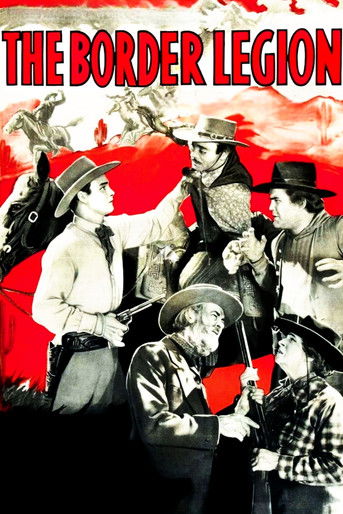
The Border Legion
1940
No user ratings available yet
Representation score: 0.5 out of 10
Representation Score
Minimal
1926
PassedDirector
Clifford Smith
Runtime
50 minutes
Average Rating
No ratings yetNew Showbiz Analysis
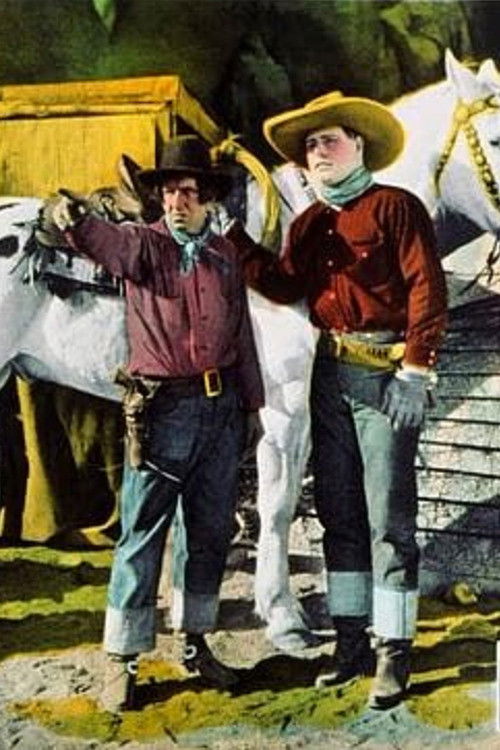
The Demon is a typical silent-era film that adheres to the social and demographic conventions of 1920s Hollywood. The narrative structure prioritizes traditional masculine heroism and conventional romantic clichés, offering little room for subversion. While the film explores themes of economic deception and property ownership, it does so through a lens of criminality rather than social critique. The characters function as archetypes of the Western genre, reinforcing established hierarchies rather than challenging them. Ultimately, the film lacks complexity in its portrayal of diverse identities and social roles.
Category Breakdown
The film does not include any representation of LGBTQ+ identities or same-sex relationships. The romantic storyline centers around a heterosexual relationship between Dane Gordon and Goldie Fleming.
Goldie Fleming's role as a professional stenographer is secondary to her function as a romantic interest. The plot emphasizes masculine ability to act and male-led undercover operations.
The film's Western setting and 1920s context suggest a predominantly white cast with no indication of a diverse ensemble or casting that deviates from the era's demographic norms.
The story focuses on economic manipulation and property rights, presenting criminals as antagonists without delving into systemic issues, adhering to traditional Western values.
There is no representation of characters with physical or neurodivergent disabilities in the narrative.
Present on Screen
Limited or Absent
Official Synopsis
A band of marauders are burning the property of ranchers in Slocum Valley. Dane Gordon, Percival Wade's silent partner, poses as an ex-convict, joins the gang, and falls in love with Goldie Fleming, stenographer to Bat Jackson, the brains of the gang. He learns that the raids are conducted for the purpose of depreciating the properties so that they can be purchased for a song. The gang learns Dane's real identity and plots to blow him up.
1940
1936

1929
1934
1923

1916
1920
1926
No reviews yet. Be the first to share your thoughts on this movie!
Use the rating form above to leave a star rating and optional review.