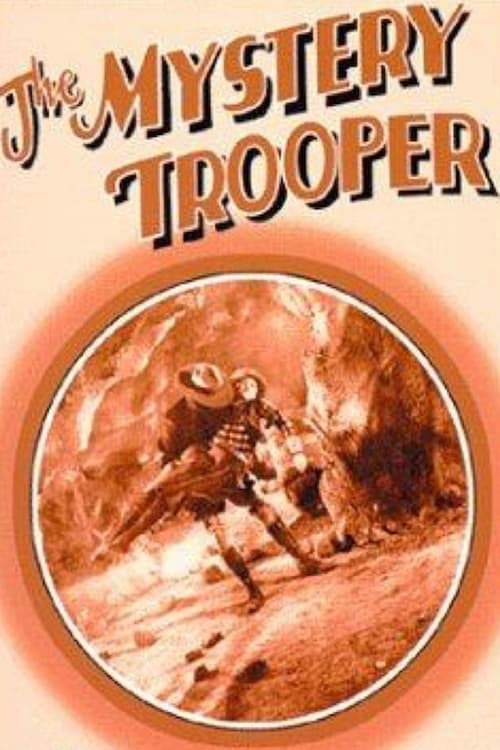
The Mystery Trooper
1931
No user ratings available yet
Diversity score: 2.3 out of 10
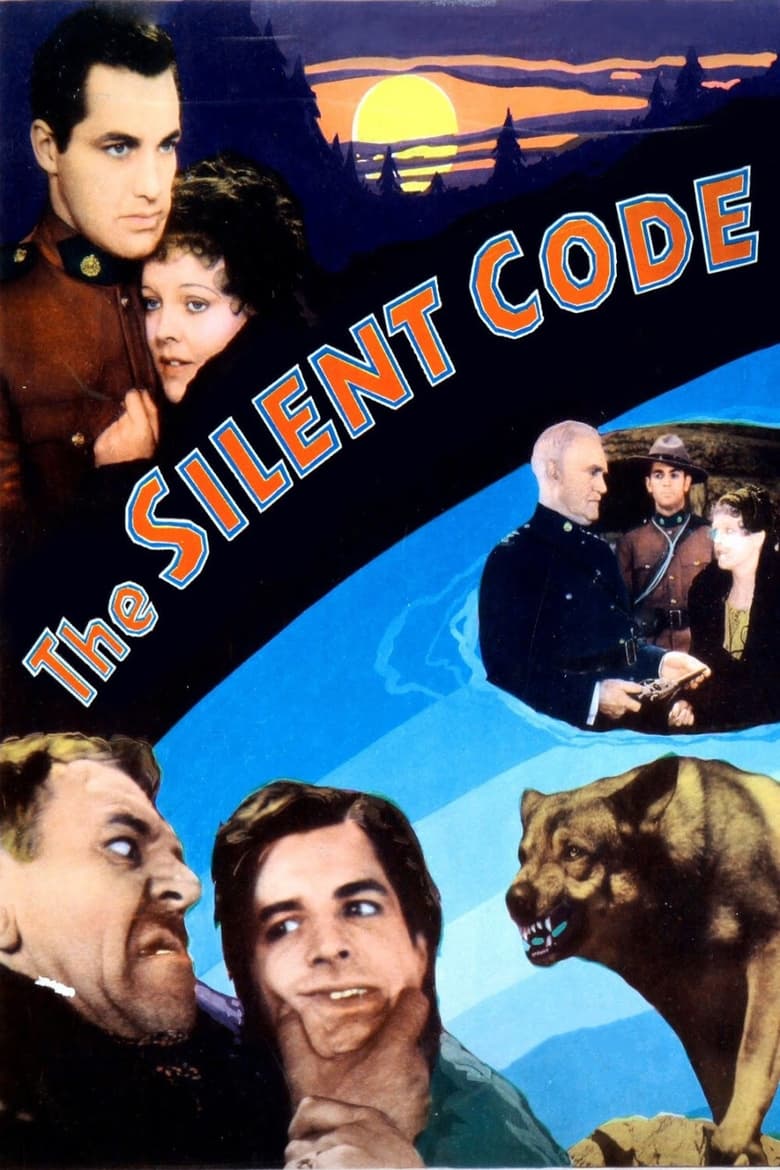
1935
ApprovedDirector
Stuart Paton
Runtime
60 minutes
Average Rating
No ratings yetSynopsis
Northwest Mounted Police Corporal Jerry Hale is assigned to take over the district of a fellow-officer, and is puzzled as he had worked this district before and had been mysteriously transferred, disrupting his romance with Helen Brent, the niece of Peter Barkley, the Factor at the trading post. An accountant of the company Berkley works for threatens to expose him when his account is found $10,000 short. Barkley pleads for more time to raise the money. His opportunity arises when he learns that Helen's father and his brother-in-law, Nathan Brent, has struck it rich and is on his way to visit Helen. Barkley instructs his henchmen Carney and Breen to lie in wait and rob Brent of his gold. Brent has a premonition of trouble and buries his gold, making a map of the location. Barkley is disturbed by the arrival of Corporal Hale and goes to warn his men, and finds them already engaged in the attack on Brent. Brent's dog Wolfgang (played by a dog named Rex, or maybe the other way around)...
Overall Score
Minimal
Category Breakdown
LGBTQ+ Representation
The film follows a traditional romantic arc between Jerry Hale and Helen Brent. There is no evidence of queer subtext or non-cisnormative identities, adhering strictly to the heteronormative conventions of the 1930s.
Gender Representation
Gender hierarchies remain traditional, with Helen Brent serving primarily as a romantic interest and catalyst for the male protagonist. Power dynamics are driven almost entirely by male characters, including law enforcement and criminals.
Racial & Ethnic Diversity
The narrative centers on Anglo-Saxon archetypes within a Western frontier setting. There is no mention of diverse ethnic casting or the inclusion of Indigenous perspectives despite the geographic context.
Religious & Cultural Diversity
The story operates within a standard Western framework focused on law, order, and property. It utilizes institutional structures like the Mounted Police without offering any critique of capitalism or legal systems.
Disability Representation
The film provides no information regarding characters with visible or invisible disabilities.
Strengths
Areas for Improvement
AI Analysis
The Silent Code is a product of its era, functioning as a conventional Western that prioritizes established social hierarchies. The narrative structure relies on traditional gender roles and Anglo-centric archetypes common to 1930s cinema. Because the film lacks intentionality regarding intersectional representation, it reinforces the status quo of the frontier mythos. It focuses on themes of wealth, crime, and institutional authority rather than diverse human experiences. Ultimately, the film serves as a period piece that reflects the limited social frameworks of the early sound era.
1931
1935
1932
1938
1929
1935
1937
1919
1937
1931
1937
1926
No reviews yet. Be the first to share your thoughts on this movie!
Use the rating form above to leave a star rating and optional review.