
Ranger Courage
1937
No user ratings available yet
Representation score: 1.5 out of 10
Representation Score
Minimal
1937
ApprovedDirector
Tom Gibson
Runtime
50 minutes
Average Rating
No ratings yetNew Showbiz Analysis
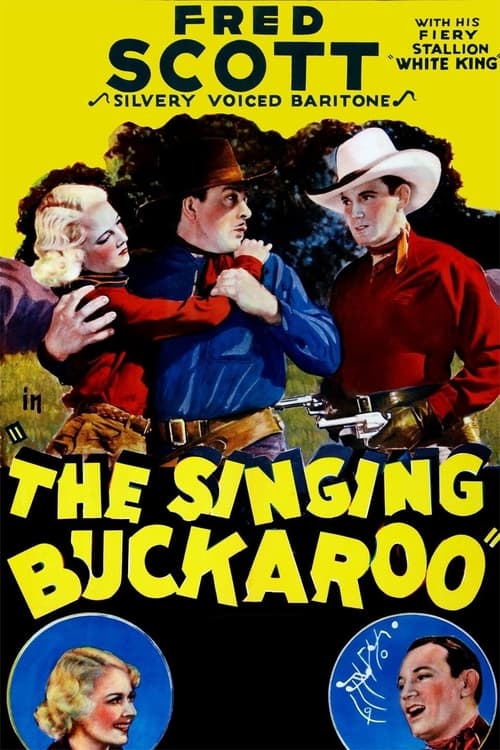
The Singing Buckaroo is a typical 1930s B-Western that emphasizes genre clichés over character development. The narrative revolves around property and protection, reinforcing the social hierarchies of its era. Gender roles are clearly defined, with the female lead serving primarily to motivate male heroism rather than act independently. The film sticks closely to the established Western genre conventions of the time, focusing on moral binaries and the defense of wealth. Overall, the film lacks depth in representing diverse identities and offers a predictable view of the Western genre through a narrow lens.
Category Breakdown
The film follows traditional structures that assume everyone is straight or cisgender. There are no representations of LGBTQ+ identities or narratives.
Barbara Evans is portrayed as a damsel in distress who relies on male protection. She does not have much control over her own fate and remains dependent on others.
The film likely reflects the homogeneity of its time, focusing on white actors and a power structure centered around Anglo culture.
The storyline emphasizes traditional Western values and property rights, aiming to restore order without questioning the status quo.
There is no mention of characters with visible or invisible disabilities in the film.
Present on Screen
Limited or Absent
Official Synopsis
Barbara Evans has $25,000 and Gifford is after it. When his henchman fail to get it he refuses to pay them. They then decide to double cross him and get the money for themselves. Gordon is trying to protect Barbara and he must not only take care of the two henchmen, but also Gifford and his phony Sheriff.
1937
1937
1934
1938

1943

1935
1933

1937
No reviews yet. Be the first to share your thoughts on this movie!
Use the rating form above to leave a star rating and optional review.