
Johnny Belinda
1948
No user ratings available yet
Diversity score: 5.8 out of 10
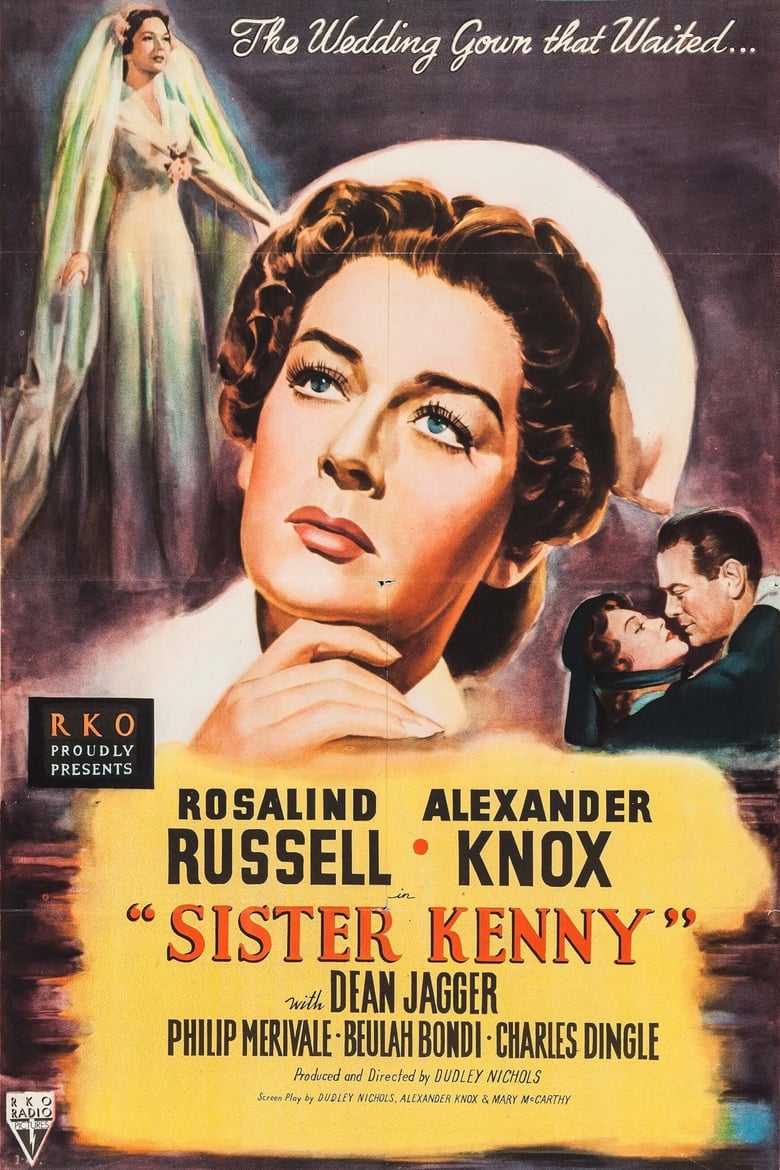
1946
ApprovedDirector
Dudley Nichols
Runtime
116 minutes
Average Rating
No ratings yetSynopsis
An Australian nurse discovers an effective new treatment for infantile paralysis, but experiences great difficulty in convincing doctors of the validity of her claims.
Overall Score
Fair
Category Breakdown
LGBTQ+ Representation
The film contains no depictions of LGBTQ+ identities or non-heteronormative expressions. It adheres to the traditional biographical structures and social conventions of 1946.
Gender Representation
Elizabeth Kenny disrupts male-dominated medical hierarchies by asserting her clinical expertise. The film challenges mid-century archetypes by positioning a female nurse as a source of intellectual authority.
Racial & Ethnic Diversity
The cast is predominantly white, reflecting the historical constraints of its era. The narrative focuses on a Western medical context without significant minority representation.
Religious & Cultural Diversity
The story critiques institutional rigidity by framing Western medical establishments as obstacles to progress. It highlights the tension between systemic authority and pragmatic, patient-centered expertise.
Disability Representation
Polio patients are central to the narrative, with their physical realities driving the plot. The film treats these characters with dignity rather than using disability as a mere plot device.
Strengths
Areas for Improvement
AI Analysis
The film's strength lies in its subversion of gender roles, centering a woman's agency against a male-dominated establishment. It also provides a dignified portrayal of physical disability, integrating the lived experience of polio into the core conflict. However, the production is limited by the era's social constraints, resulting in a lack of racial and LGBTQ+ diversity. The cast remains largely homogenous, focusing strictly on a Western medical setting. Ultimately, while the film lacks intersectional breadth, its focus on challenging institutional power and female intellect provides a progressive narrative movement for its time.
1948

2016
1991

1972
1963
2025

1943
1940

2012

1951

1976

1956
No reviews yet. Be the first to share your thoughts on this movie!
Use the rating form above to leave a star rating and optional review.