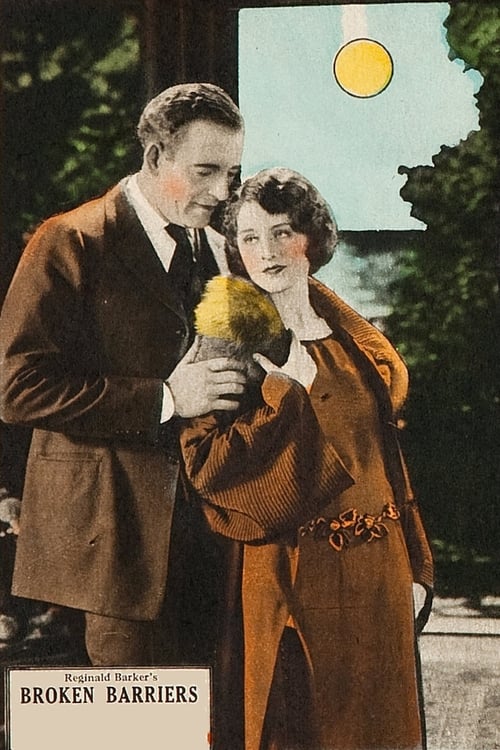
Broken Barriers
1924
No user ratings available yet
Diversity score: 2.4 out of 10
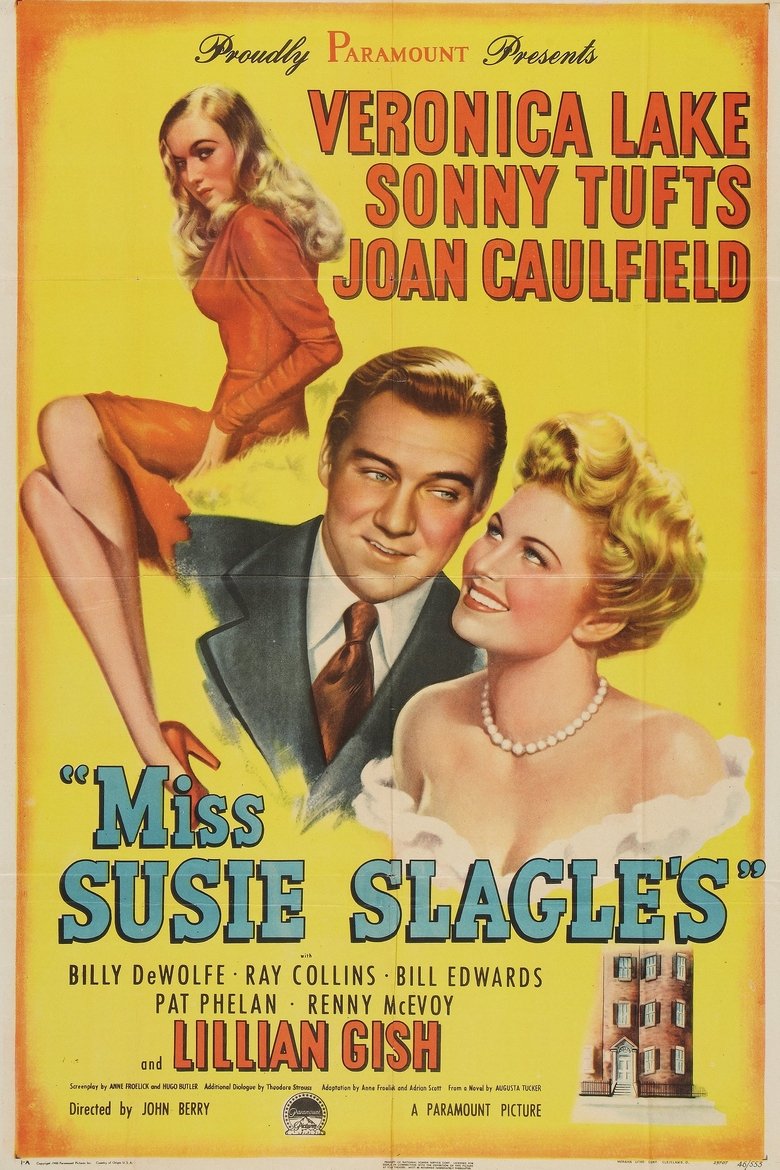
1946
PassedDirector
John Berry
Runtime
88 minutes
Average Rating
No ratings yetSynopsis
A student nurse falls in love with a young intern in 1910 Baltimore, but tragedy ensues when he contracts a fatal disease.
Overall Score
Limited
Category Breakdown
LGBTQ+ Representation
The film lacks any evidence of non-heteronormative identities or same-sex intimacy. It focuses on a traditional romantic pairing between a nurse and an intern.
Gender Representation
A female protagonist provides some professional agency as a student nurse. However, her role largely functions as an emotional anchor to the male lead's illness.
Racial & Ethnic Diversity
Set in 1910 Baltimore, the film appears to follow the homogeneous casting patterns of its era. There is no evidence of a multi-ethnic cast.
Religious & Cultural Diversity
The narrative prioritizes conventional emotional resonance and respect for social order. It lacks any indication of anti-institutional or anti-capitalist sentiment.
Disability Representation
A fatal disease serves as a central plot device to elicit pathos. There is no nuanced exploration of illness or neurodivergent representation.
Strengths
Areas for Improvement
AI Analysis
Miss Susie Slagle's is a standard mid-century period drama that adheres strictly to the narrative conventions of the Hollywood studio system. While it centers on a female lead, the story remains tethered to traditional tropes of nurturing femininity and tragic romance. The film lacks intersectional depth, offering little representation of marginalized groups or non-heteronormative identities. It functions primarily as a conventional emotional arc rather than a critique of social structures. Ultimately, the production reflects the social constraints and homogeneous casting typical of 1940s cinema, prioritizing romantic tragedy over systemic or cultural complexity.
1924
1934

1936

1909

1950
1951
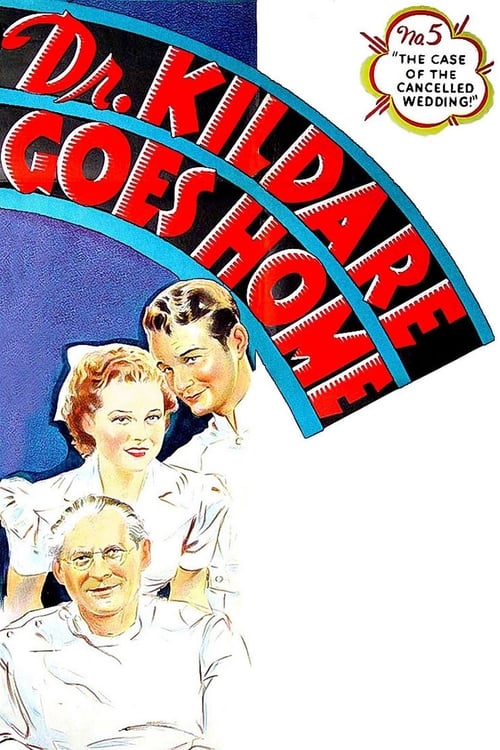
1940
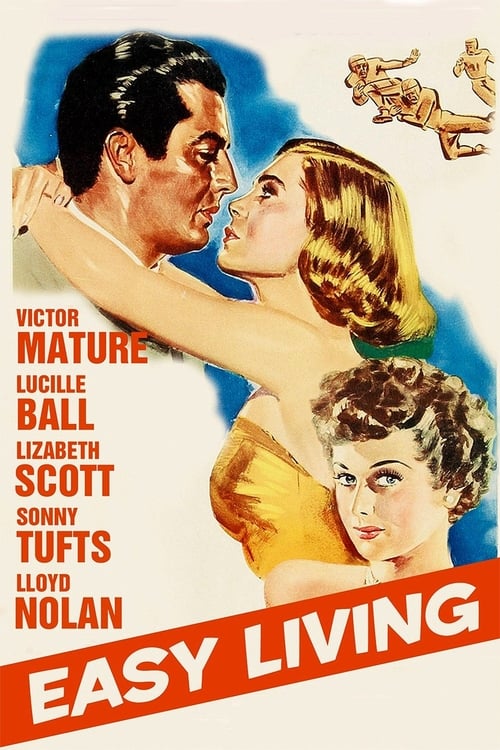
1949
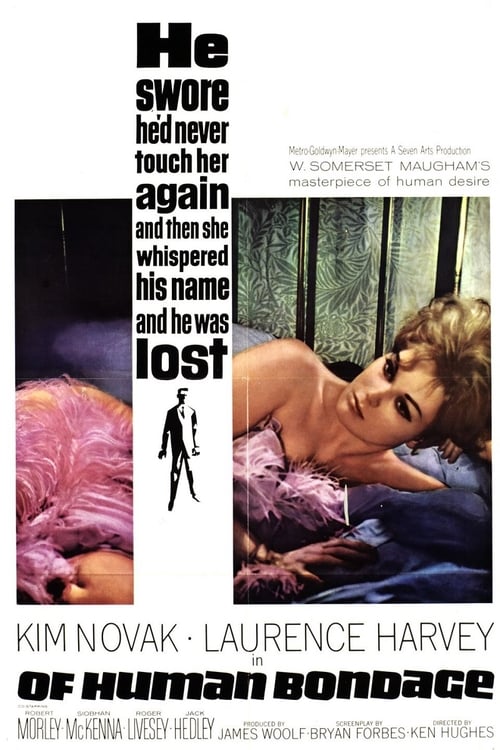
1964

1941
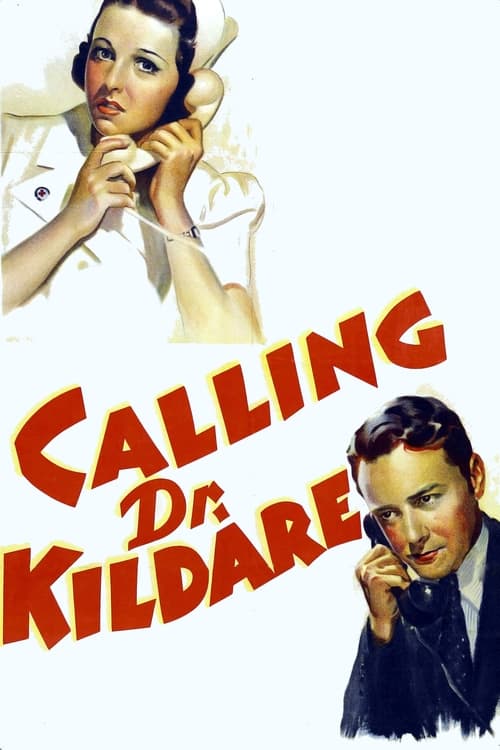
1939
1941
No reviews yet. Be the first to share your thoughts on this movie!
Use the rating form above to leave a star rating and optional review.