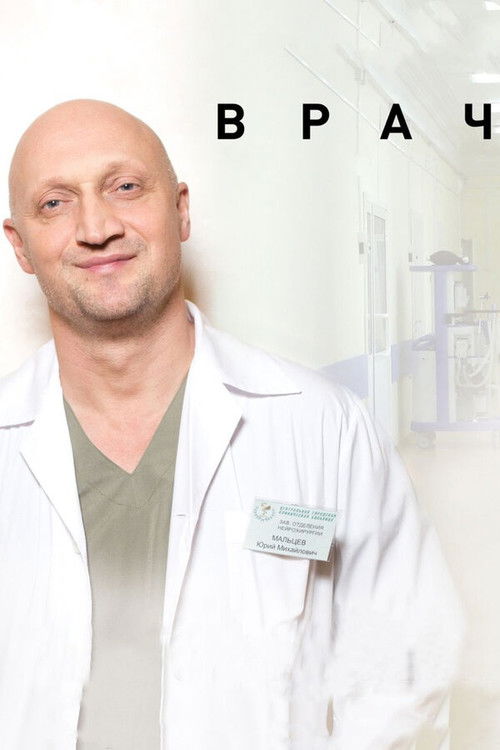
Surgeon
2016
No user ratings available yet
Representation score: 1.6 out of 10

Representation Score
Limited
1968
Director
Ilya Averbakh
Runtime
95 minutes
Average Rating
No ratings yetNew Showbiz Analysis
Degree of Risk is a character study of professional integrity and the moral weight of medical responsibility. The film prioritizes the collective ethics of the medical intelligentsia over individualistic heroism. The narrative architecture relies heavily on established social hierarchies. It centers on the authority of male medical professionals and the stability of scientific institutions, offering little room for identity-based challenges. While the film explores humanistic themes through a lens of professional duty, it operates within a conventional social framework that reinforces traditional gender and cultural norms.
Category Breakdown
There are no LGBTQ+ characters or non-cisgender identities in the film. The narrative focuses on medical ethics and surgical crises.
The plot centers on a male-dominated surgical hierarchy. Women are portrayed in supportive roles, adhering to traditional domestic archetypes.
The setting reflects a homogeneous social environment typical of Soviet-era domestic dramas. There is no indication of a multi-ethnic cast driving the story.
The film emphasizes scientific progress and secularism over religious intervention. It highlights collective decision-making within established social and medical institutions.
The narrative revolves around a patient's life-threatening cardiac condition. However, the patient remains a passive recipient of care rather than an active participant.
Present on Screen
Limited or Absent
Official Synopsis
A drama based on the daily life of a hospital and its doctors.
2016

1965
1955

1971

1945

2016
1982

1968
No reviews yet. Be the first to share your thoughts on this movie!
Use the rating form above to leave a star rating and optional review.