
I Was a Spy
1933
No user ratings available yet
Representation score: 3.1 out of 10
Representation Score
Limited
1939
ApprovedDirector
Herbert Wilcox
Runtime
97 minutes
Average Rating
No ratings yetNew Showbiz Analysis
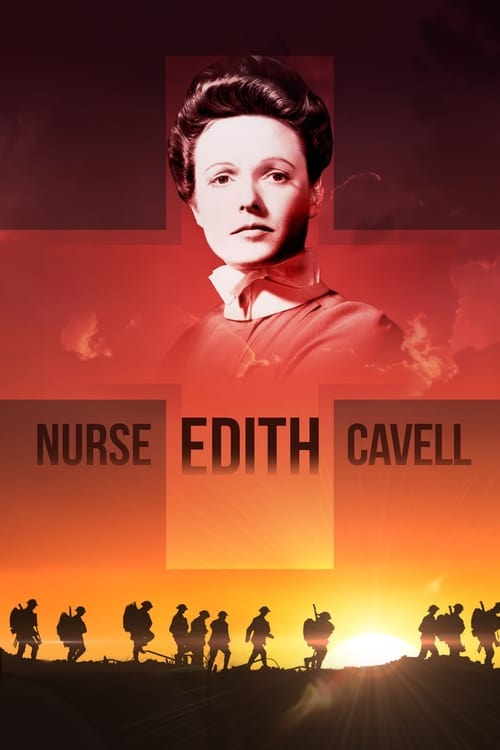
Nurse Edith Cavell is a biographical drama that showcases a strong, capable female protagonist. The film presents Cavell as a professional who makes important decisions, avoiding the stereotype of women as passive figures during wartime. However, the film lacks diversity, featuring an almost entirely white and European cast. There is no representation of LGBTQ+ characters or non-straight relationships. Additionally, the film adheres to traditional nationalist and religious themes, focusing on Western morality and individual sacrifice rather than exploring broader systemic issues.
Category Breakdown
The film focuses on a traditional European setting with no LGBTQ+ characters or non-straight relationships.
Edith Cavell is portrayed as a strong, competent woman who makes strategic decisions and drives the story forward. She challenges the stereotype of women as passive figures during wartime.
The film features an overwhelmingly white and European cast, with no significant roles for characters from diverse racial backgrounds.
The story highlights patriotism and Christian values, critiquing German military laws through the lens of Western morality and individual sacrifice.
There are no significant portrayals of disabilities that play a key role in the narrative or character development.
Present on Screen
Limited or Absent
Official Synopsis
British nurse Edith Cavell is stationed at a hospital in Brussels during World War I. When the son of a former patient escapes from a German prisoner-of-war camp, she helps him flee to Holland. Outraged at the number of soldiers detained in the camps, Edith, along with a group of sympathizers, devises a plan to help the prisoners escape. As the group works to free the soldiers, Edith must keep her activities secret from the Germans
1933

1945

1958

1960

1960

1943
1965

2024
No reviews yet. Be the first to share your thoughts on this movie!
Use the rating form above to leave a star rating and optional review.