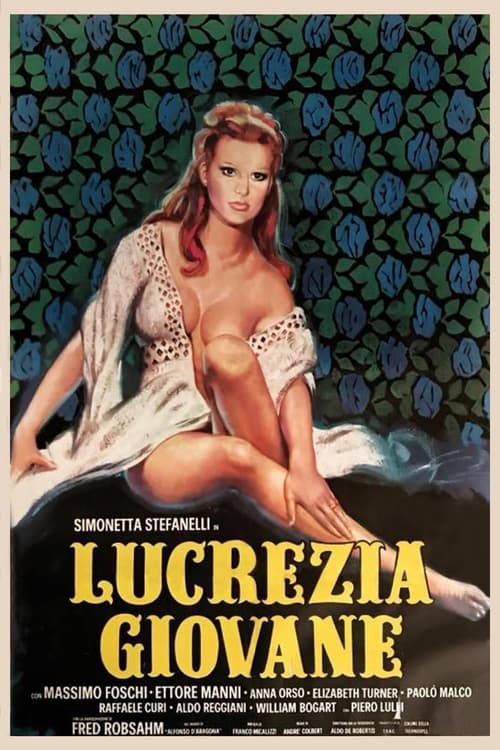
Young Lucrezia
1974
No user ratings available yet
Diversity score: 3.4 out of 10
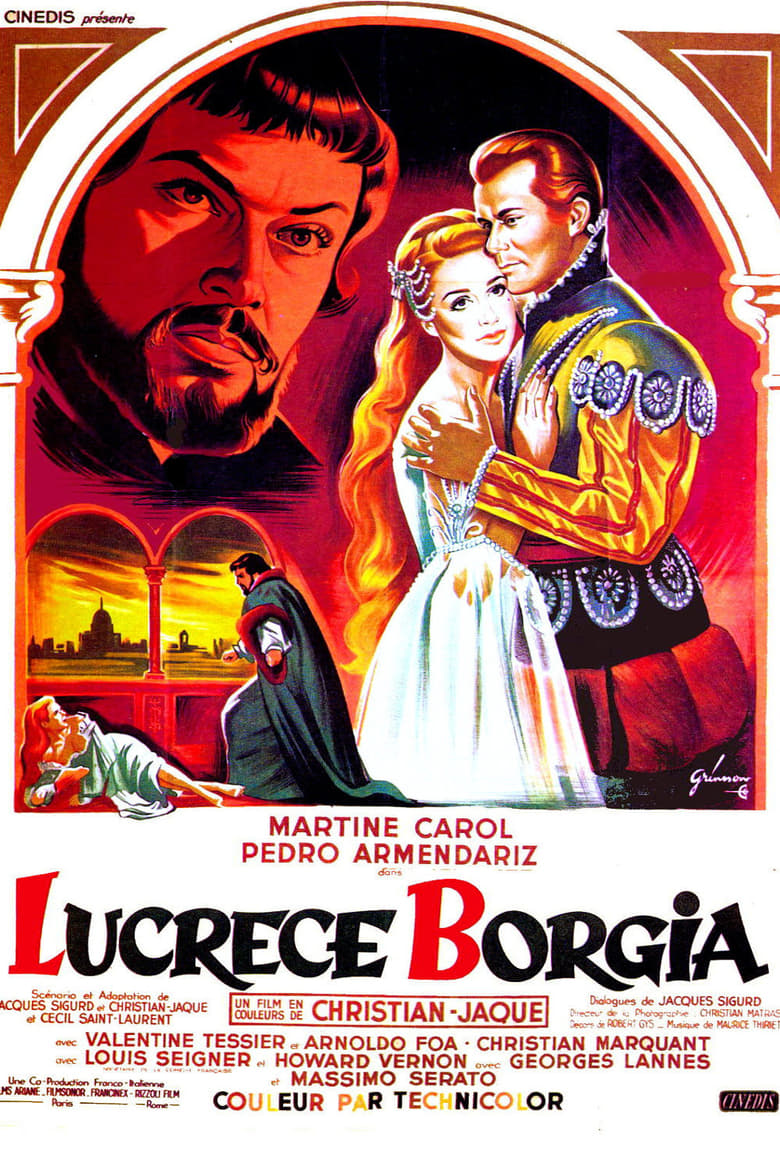
1953
Not RatedDirector
Christian-Jaque
Runtime
120 minutes
Average Rating
No ratings yetSynopsis
In the early 16th century, Italy is ruled by the powerful Borgia family, led by César Borgia and his sister Lucrèce. In a ruthless power play, César plots to have his sister’s husband murdered. But without her brother’s knowledge, Lucrèce has taken a strong lover who will challenge the Borgias.
Overall Score
Limited
Category Breakdown
LGBTQ+ Representation
The film adheres to heteronormative structures typical of 1950s period dramas. It focuses on dynastic requirements and romantic rivalries rather than non-cisnormative identities.
Gender Representation
Lucrezia exists in a tension between being a political instrument and possessing private agency. While she is often submissive to male authority, her secret lover allows her to disrupt established hierarchies.
Racial & Ethnic Diversity
The cast is ethnically homogeneous, reflecting both the 16th-century Italian setting and mid-century European cinematic conventions. There is no evidence of diverse racial representation.
Religious & Cultural Diversity
The narrative offers a critique of the Papacy by portraying the intersection of religious authority and secular corruption. It challenges the Church's perceived sanctity through a lens of moral relativism.
Disability Representation
There is no discernible focus on visible or invisible disabilities within the narrative.
Strengths
Areas for Improvement
AI Analysis
Christian-Jaque’s historical drama is a product of its era, deeply embedded in traditionalist frameworks regarding race and sexual identity. The film lacks any representation of LGBTQ+ individuals or racial diversity, remaining ethnically homogeneous. However, the film gains depth through its sophisticated deconstruction of institutional power. By framing the Papacy as a site of systemic corruption rather than a bastion of virtue, the story moves beyond simple moralism. Ultimately, the work balances a rigid social structure with a nuanced exploration of how individuals navigate corrupt political and religious hierarchies.
1974

1983
1960
1961
1953

1956

1961
1969
1973
1976
1981
1968
No reviews yet. Be the first to share your thoughts on this movie!
Use the rating form above to leave a star rating and optional review.