
Caligula's Slaves
1984
No user ratings available yet
Representation score: 5.0 out of 10

Representation Score
Limited
1983
Director
Raúl Ruiz
Runtime
105 minutes
Average Rating
No ratings yetNew Showbiz Analysis
Bérénice is a stylized postmodern drama that prioritizes psychological complexity over traditional historical accuracy. While it lacks demographic diversity, it excels in subverting narrative causality and critiquing rigid social hierarchies. The film's main strength lies in its nuanced exploration of gender and social performance. However, it remains limited by its historical setting, which results in a lack of racial and LGBTQ+ diversity. Ultimately, the work functions as a critique of stability, treating truth and duty as malleable elements within a theatrical social order.
Category Breakdown
The film focuses on a romantic triangle between Bérénice, Titus, and Antiochus, which is centered around heterosexual relationships. There are no explicit depictions of LGBTQ+ identities or same-sex intimacy.
Bérénice plays a central role in driving the psychological tension in the story rather than being a passive character. The narrative highlights the social maneuvering required for women to survive.
The cast is primarily composed of white actors to recreate a specific aristocratic environment. There is no indication of color-blind casting or diverse ethnic identities.
Ruiz employs a postmodern perspective to deconstruct traditional institutions such as the Roman state. The film portrays duty and morality as theatrical constructs rather than absolute truths.
The film does not prominently feature characters with visible or invisible disabilities. The focus remains on the psychological maneuvers of the aristocracy.
Present on Screen
Limited or Absent
Official Synopsis
Now Titus' father has died, the new emperor will be free to marry his beloved Bérénice. Also In love with Bérénice, Titus' friend Antiochus plans to flee Rome rather than face the marriage. However, public opinion about the pairing causes Titus to choose his duty to Rome over his love for Bérénice, and he sends his love rival to tell Bérénice the news...
1984
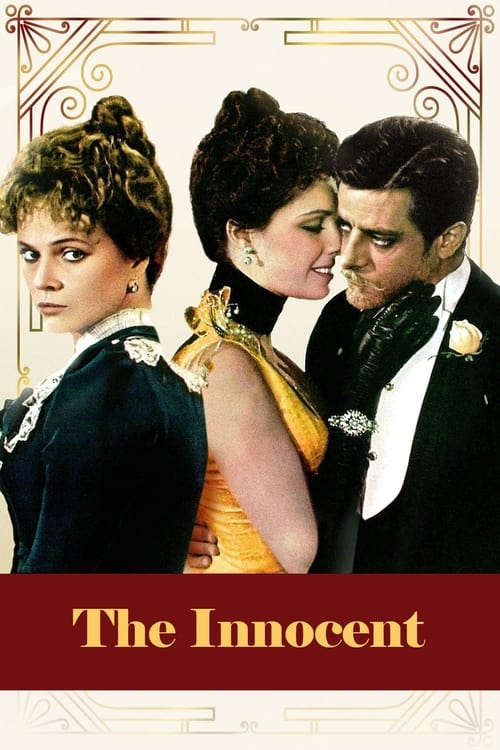
1976
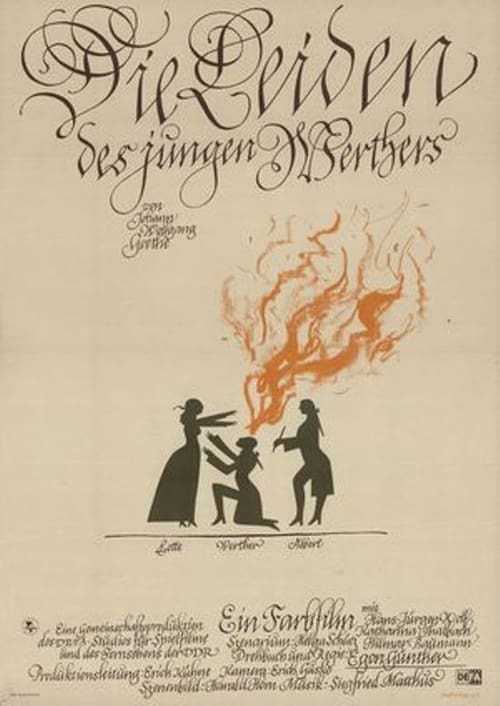
1976
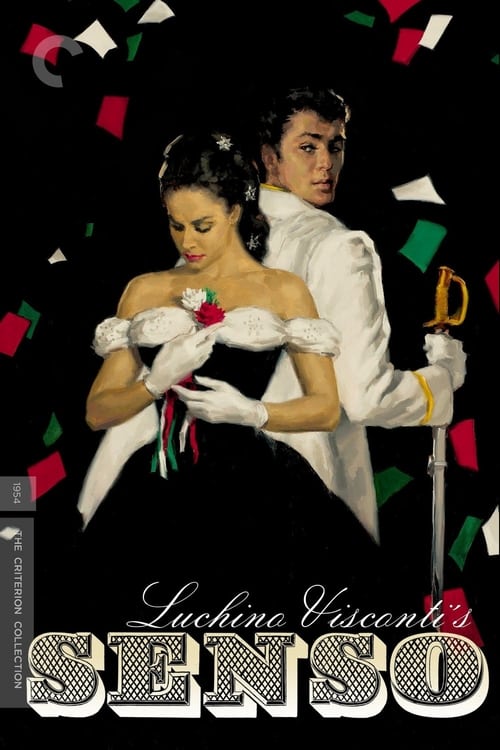
1954
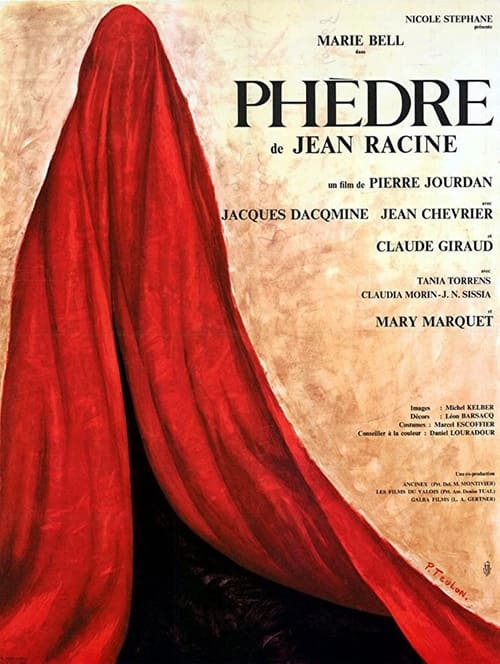
1968

1986
1950
1963
No reviews yet. Be the first to share your thoughts on this movie!
Use the rating form above to leave a star rating and optional review.