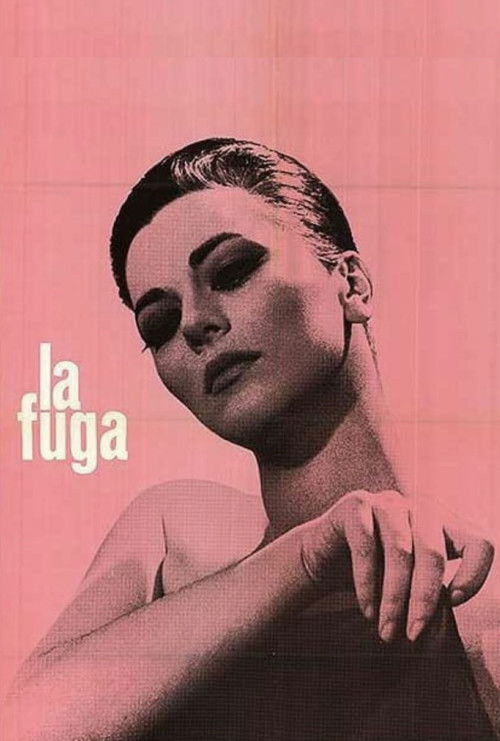
La Fuga
1965
No user ratings available yet
Representation score: 4.7 out of 10
Representation Score
Limited
1953
Director
Alberto Lattuada
Runtime
93 minutes
Average Rating
No ratings yetNew Showbiz Analysis
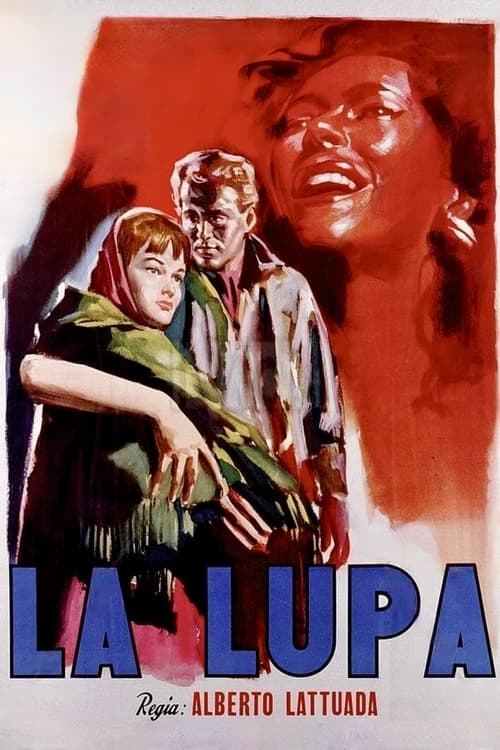
The She-Wolf stands out for its psychological depth and its departure from traditional moral archetypes. While the film is limited by the demographic homogeneity of its era, it uses its setting to critique the very social structures that define it. The film's strength lies in its subversion of gendered expectations. By centering a woman with strong sexual ability to act, the story challenges the restrictive domestic hierarchies of the 1950s. However, the film remains a product of its time, lacking any representation of LGBTQ+ identities or racial diversity. It primarily serves as a study of individual impulse versus societal constraint within a specific Italian context.
Category Breakdown
The film focuses solely on heterosexual relationships and traditional family structures. There are no stories or characters representing LGBTQ+ identities or non-cisgender identities.
The protagonist plays a significant role in driving the story through her sexuality and desires. She challenges the passive expectations of women in the mid-20th century by navigating her impulses despite patriarchal judgment.
Set in rural mid-20th-century Italy, the film reflects the homogeneous demographics of its time. There is no indication of racial blending or intentional color-blind casting.
The narrative prioritizes personal emotional truth over strict religious rules. It critiques traditional Western social structures by highlighting personal passion against institutional judgment.
No characters with visible or invisible disabilities play central roles in the plot. There is no significant evidence of disability impacting the narrative.
Present on Screen
Limited or Absent
Official Synopsis
A woman in her thirties is a single mother of a teenager daughter, and both are in love with the same young soldier. Mother sacrifices herself for Maricchia's marriage, but ultimately falls to her own passion, leading to family disruption.
1965
1954
1969

1957
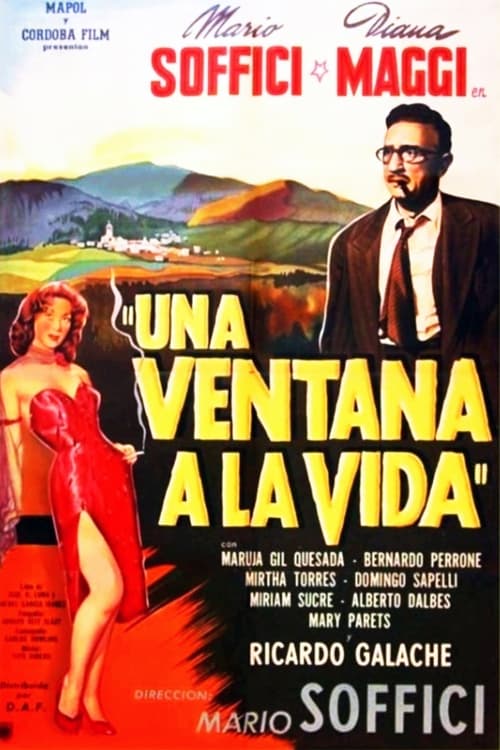
1953
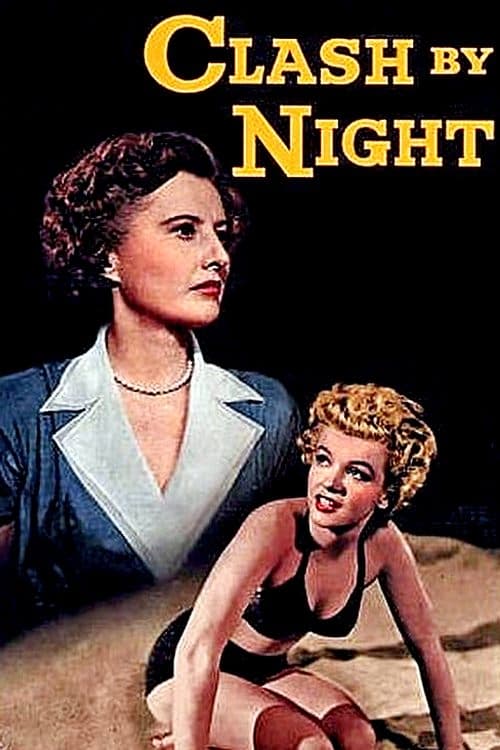
1952
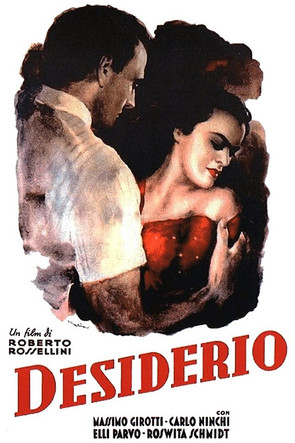
1946
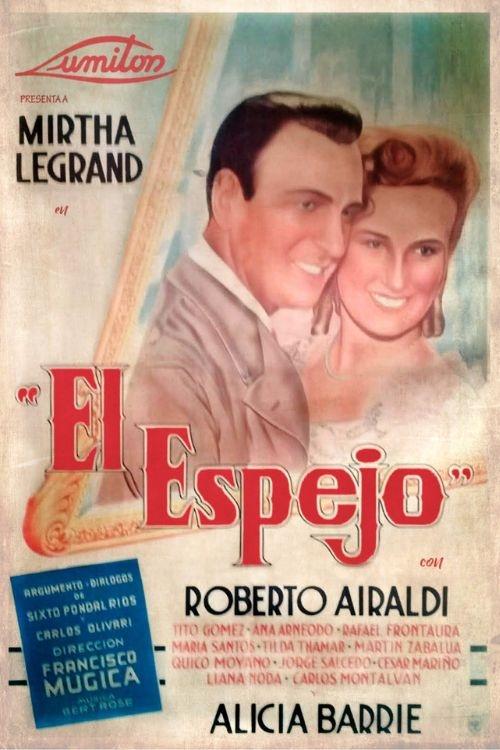
1943
No reviews yet. Be the first to share your thoughts on this movie!
Use the rating form above to leave a star rating and optional review.