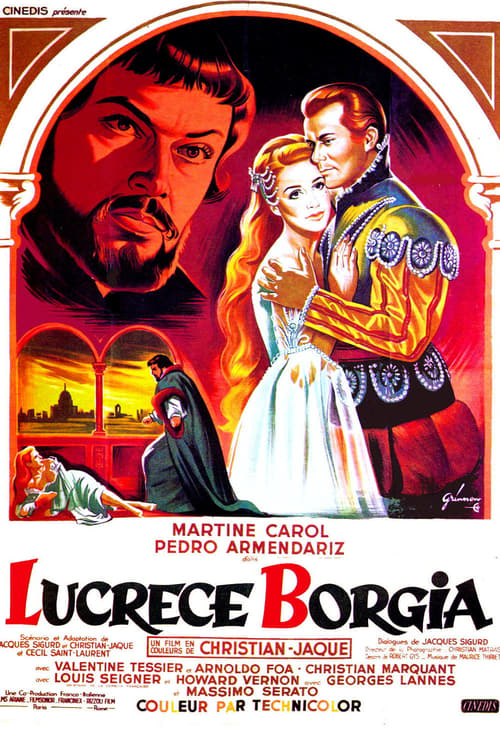
Lucrèce Borgia
1953
No user ratings available yet
Diversity score: 3.8 out of 10
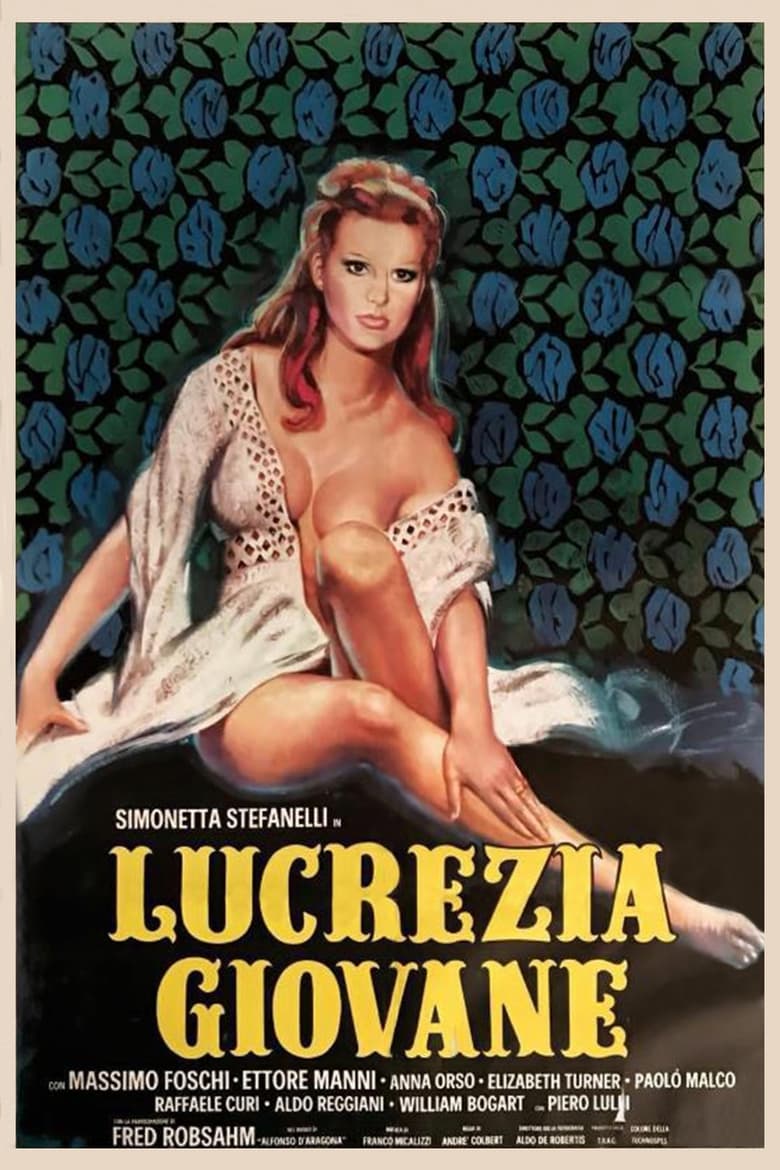
1974
Director
Luciano Ercoli
Runtime
80 minutes
Average Rating
No ratings yetSynopsis
In the early 16th century Italy is ruled by the powerful Borgia family, led by Cesare Borgia and his sister Lucrezia. In a ruthless power play, Cesare plots to have his sister’s husband murdered.
Overall Score
Limited
Category Breakdown
LGBTQ+ Representation
The film focuses on the political and marital maneuvers of the Borgia family. There is no explicit depiction of queer intimacy or non-cisnormative identities within the narrative framework.
Gender Representation
Lucrezia Borgia serves as a central figure in a high-stakes political struggle. However, women are often depicted as pawns within male-driven power plays, a common genre trope.
Racial & Ethnic Diversity
Set in Renaissance Italy, the film reflects the demographic homogeneity of the era. The narrative functions within a traditional Western historical framework without evidence of diverse casting.
Religious & Cultural Diversity
The story explores corruption and power within a historical ruling class. It functions more as a classical tragedy of familial betrayal than a systemic critique of institutions.
Disability Representation
There is no mention of characters with visible or invisible disabilities. No such characters appear to be utilized as plot devices in the story.
Strengths
Areas for Improvement
AI Analysis
Young Lucrezia is a conventional period drama that prioritizes historical accuracy and genre conventions over progressive social commentary. While it centers on a female protagonist, the narrative remains bound by the rigid hierarchies of 16th-century Italy. The film explores themes of power, betrayal, and political machinations. It lacks the intersectional complexity or systemic subversion necessary to move beyond a standard historical depiction of the Borgia dynasty. Ultimately, the production adheres to the social constraints of its setting, focusing on traditional dramatic conflicts rather than diverse or inclusive representation.
1953
1980

1961
1960

1983
1968
1975
1961

1956
1965
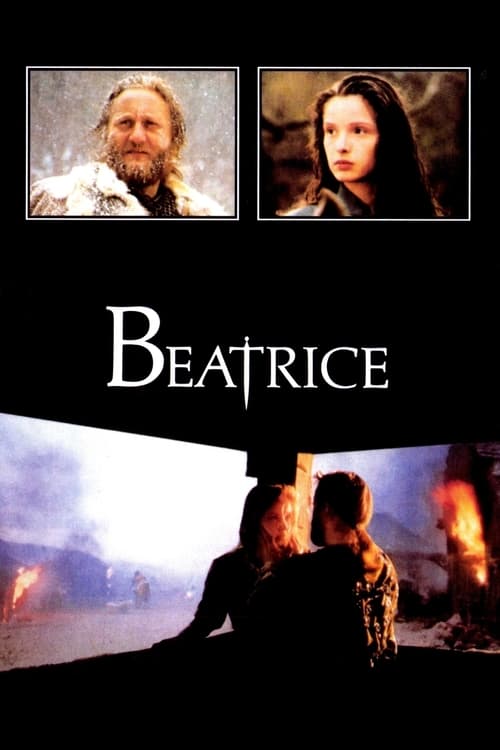
1987
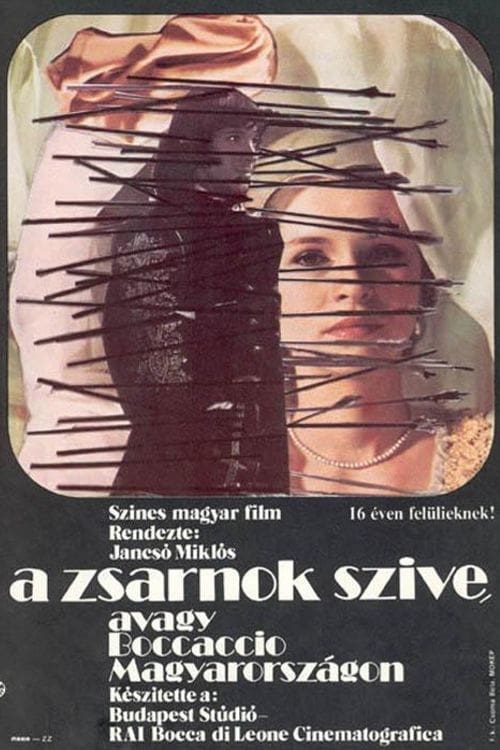
1981
No reviews yet. Be the first to share your thoughts on this movie!
Use the rating form above to leave a star rating and optional review.