
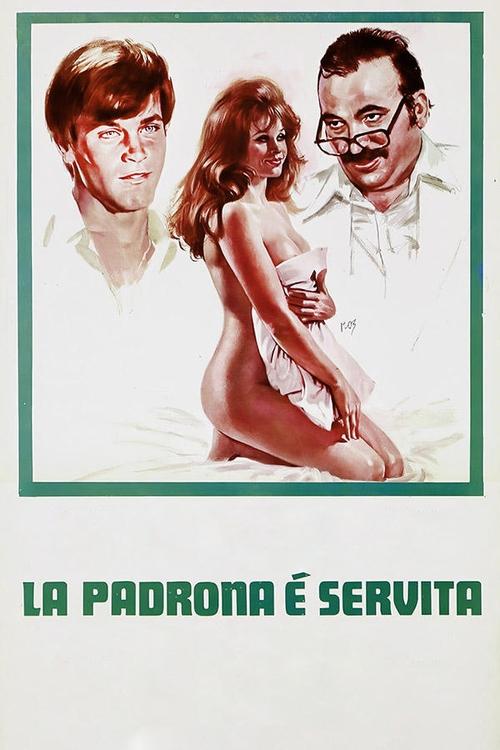
The Inheritance
1976
No user ratings available yet
Representation score: 3.8 out of 10

Representation Score
Fair
1961
Director
Mauro Bolognini
Runtime
100 minutes
Average Rating
No ratings yetNew Showbiz Analysis
Mauro Bolognini’s period drama serves as a critique of class and greed. It avoids idealized portrayals of the working class, focusing instead on the harsh realities of life within a rigid socioeconomic hierarchy. The film lacks contemporary markers of diversity, especially concerning race and LGBTQ+ identities, which limits its scope. However, it successfully dismantles the idealized family unit, offering a systemic view of social struggles. Ultimately, the narrative’s strength lies in its exploration of ability to act and the tension between property owners and the urban underclass.
Category Breakdown
The film focuses on heterosexual relationships between Amerigo and Bianca. It does not include any characters with non-conforming gender identities or same-sex relationships.
Bianca's character shows strength and independence within a male-dominated society. She navigates economic challenges without becoming a passive victim, despite the social structure.
The film's setting mirrors the demographics of Florence in 1885. The cast is mainly white, reflecting the historical context of the time and place.
The story critiques wealthy institutions and the corruption of the landed gentry. It presents a nuanced view of morality without adhering to a strict moral code.
The film does not prominently depict characters with visible or invisible disabilities that play a central role in the story.
Present on Screen
Limited or Absent
Official Synopsis
The death of a wealthy patriarch in 1885 sets off an interfamily power struggle. Son Ferdinando buys out his other relatives in order to gain full control over the dead man's property. But Ferdinando's nephew Amerigo holds out. Amerigo's stance is weakened when he heads for Florence and meets prostitute Bianca.
1976
1961
1963

1960

2011
1976

1969
1991
No reviews yet. Be the first to share your thoughts on this movie!
Use the rating form above to leave a star rating and optional review.