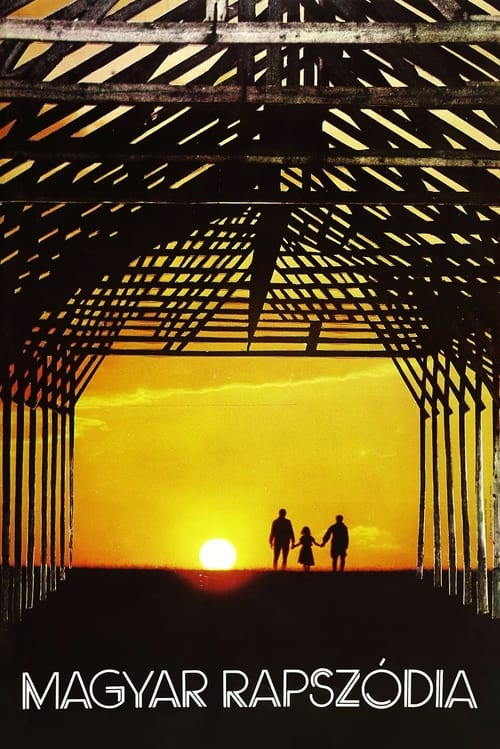
Hungarian Rhapsody
1979
No user ratings available yet
Representation score: 3.3 out of 10
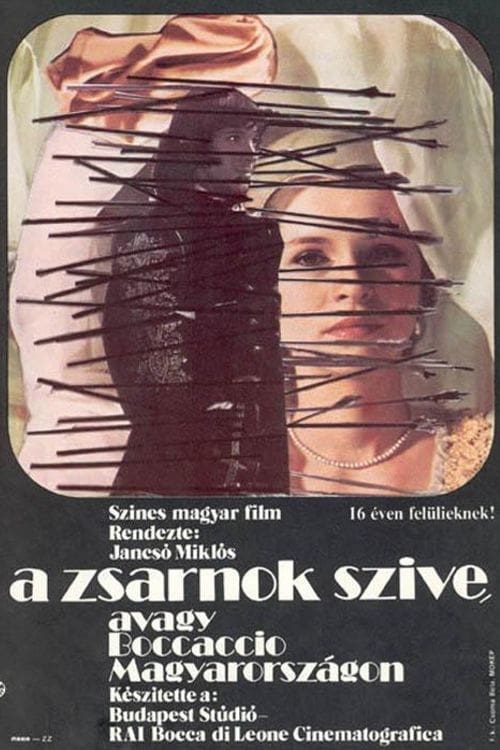
Representation Score
Fair
1981
Director
Miklós Jancsó
Runtime
87 minutes
Average Rating
No ratings yetNew Showbiz Analysis
The film operates as a period drama that focuses on dismantling power structures rather than typical character development. It uses a 15th-century backdrop to explore how systemic corruption and political instability shape human experiences. Though the film doesn't offer explicit demographic representation in terms of race or LGBTQ+ identities, it stands out in its cultural critique. It challenges the 'great man' theory of history by emphasizing the mechanics of tyranny. Overall, the film is a study of institutional instability rather than a focus on diverse identity representation.
Category Breakdown
The 15th-century setting and Boccaccian influence hint at possible underlying themes about human desire. However, there is no clear indication of non-traditional gender identities in the story.
The film looks at breaking down the idea of a 'strong leader.' It uses political unrest to challenge traditional male-dominated power structures and ideas of strength.
The casting seems to reflect the ethnic makeup of the 1400s. Jancsó often uses stylized movements to focus on class struggles rather than specific ethnic markers.
The story questions the legitimacy of centralized authority and absolute power. It prefers a nuanced understanding of morality over strict religious or state doctrines.
There is no information available about the portrayal of characters with physical or neurological disabilities.
Present on Screen
Limited or Absent
Official Synopsis
A historical drama set in the 1400s, a young man sent to Italy but is forced back after his father's mysterious death.
1979

1967
1976

1957
1941
1954
1979
1963
No reviews yet. Be the first to share your thoughts on this movie!
Use the rating form above to leave a star rating and optional review.