
Into the White Night
2011
No user ratings available yet
Representation score: 7.7 out of 10
Representation Score
Good
2017
Director
Jôta Tsunehiro, Hajime Hashimoto, Takafumi Hatano
Runtime
95 minutes
Average Rating
No ratings yetNew Showbiz Analysis
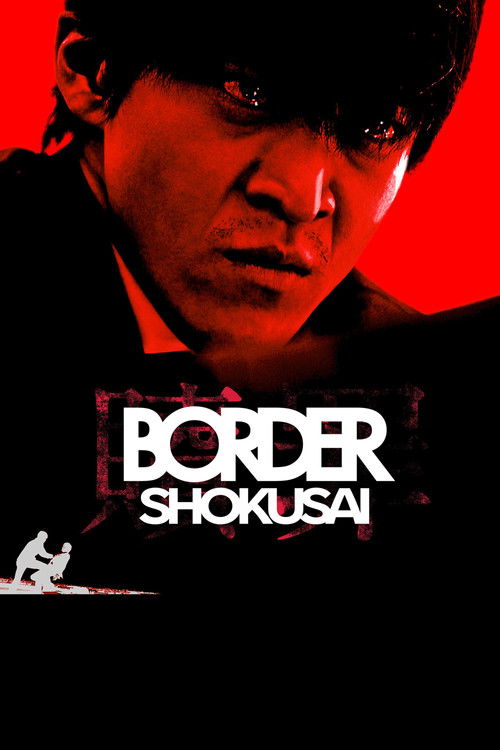
BORDER Redemption offers a refreshing departure from Western-centric crime procedurals by using a Japanese cultural framework. The metaphysical premise provides a unique foundation for exploring spiritualism and subjective morality through the protagonist's supernatural connection to the deceased. However, the film's character depth remains largely unverified. The narrative currently leans on a singular male lead, leaving questions about gender ability to act and the presence of diverse interpersonal identities unanswered. Ultimately, while the film succeeds in shifting genre expectations through its cultural origin and spiritual themes, it lacks the specific character data needed to confirm a broader range of characters who reflect more than one aspect of diversity.
Category Breakdown
The film does not explicitly include characters with non-cisgender identities or narratives that question the assumption that everyone is straight.
The story focuses on a male protagonist, Detective Ango Ishikawa. It is unclear if female characters play significant roles in driving the story or if the film challenges traditional male leadership clichés.
As a Japanese production, the film provides a non-Western perspective. This inherently challenges Hollywood-centric storytelling norms by grounding the narrative in East Asian social dynamics.
The supernatural premise allows for a spiritualist framework rather than strict religious dogma. This focus on the afterlife enables a more subjective exploration of morality and situational ethics.
The protagonist's ability to communicate with the dead might be considered a form of neurodivergence. However, it is unclear if this is portrayed as a useful tool or a burden.
Present on Screen
Limited or Absent
Official Synopsis
Following the showdown with his arch nemesis Ando, Detective Ango Ishikawa takes on a new case with his uncanny ability to communicate with the dead.
2011

2001
2012

2023

2005
2015

2013
1982
No reviews yet. Be the first to share your thoughts on this movie!
Use the rating form above to leave a star rating and optional review.