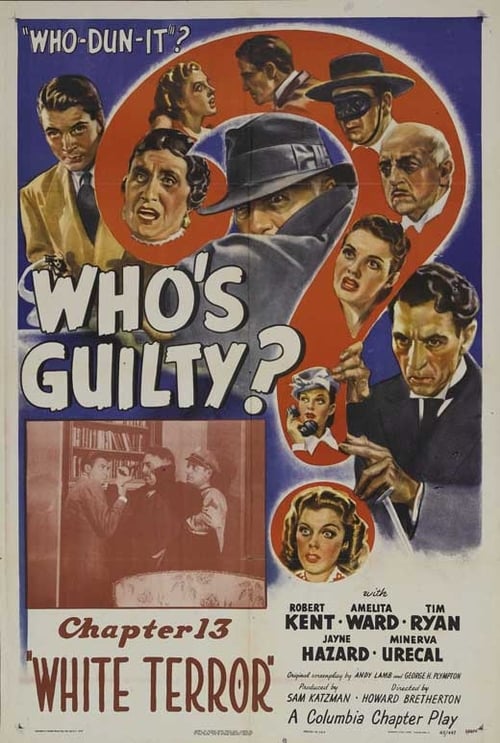
Who's Guilty?
1945
No user ratings available yet
Diversity score: 2.7 out of 10
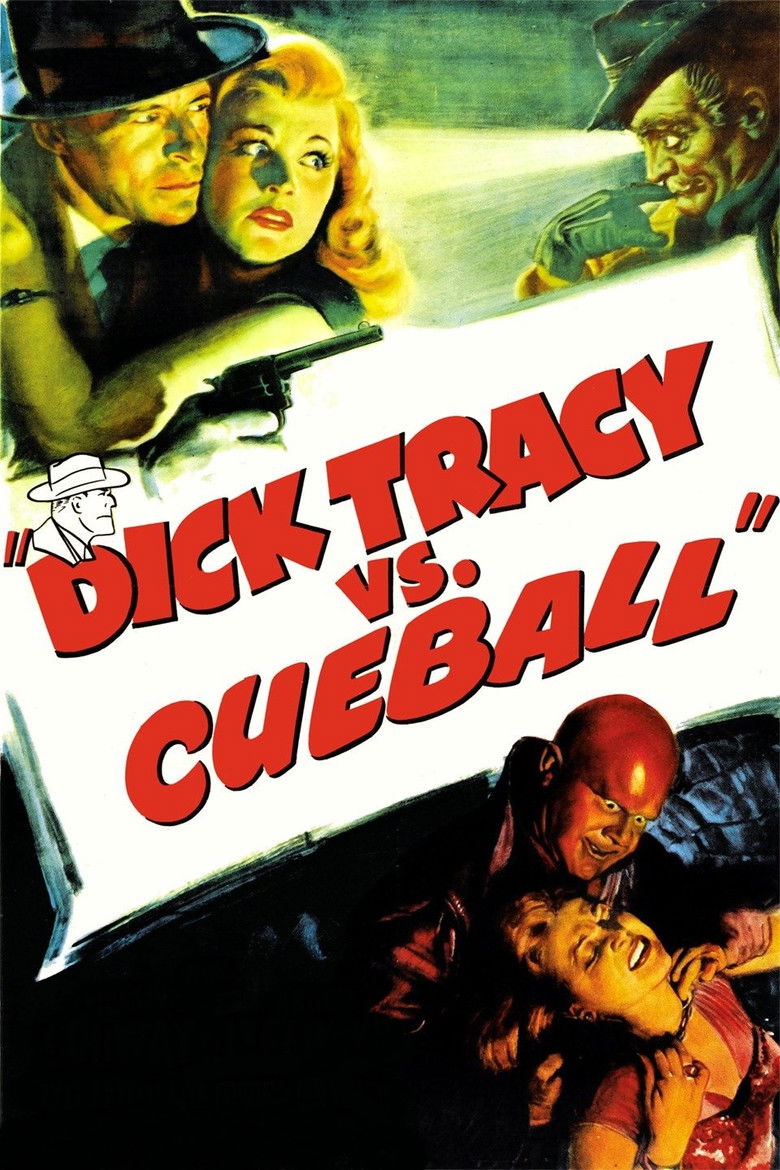
1946
NRDirector
Gordon Douglas
Runtime
62 minutes
Average Rating
No ratings yetSynopsis
A police detective uses his girlfriend to track down a homicidal maniac.
Overall Score
Minimal
Category Breakdown
LGBTQ+ Representation
The film follows a strictly heteronormative framework. There is no presence of non-cisnormative identities or same-sex intimacy.
Gender Representation
Dick Tracy embodies traditional masculine authority and leadership. The female partner serves as a functional extension of the male protagonist's agency rather than a subversion of power.
Racial & Ethnic Diversity
The production reflects the homogeneous demographic norms of the 1940s. There is no evidence of significant racial or ethnic diversity within the cast or setting.
Religious & Cultural Diversity
The narrative reinforces Western institutionalism and the legitimacy of law enforcement. It lacks any critique of religion, capitalism, or existing social structures.
Disability Representation
Characters with disabilities are not portrayed with agency. The antagonist's baldness serves as a criminal identifier rather than a nuanced exploration of disability.
Strengths
Areas for Improvement
AI Analysis
This 1946 crime serial is a quintessential product of its era, adhering to the conservative cinematic values of the mid-century. It functions as a standard procedural that reinforces established social, gender, and racial hierarchies. The film relies on traditional narrative archetypes, focusing on the preservation of law and order. It offers no attempt to disrupt or deconstruct the status quo, instead promoting a clear moral dichotomy between the state and the criminal underworld. Ultimately, the work lacks intersectional depth or character nuance, serving primarily as a genre-driven studio production that mirrors the homogeneous demographic norms of the period.
1945

1960
1947
1937

1950
1944
No reviews yet. Be the first to share your thoughts on this movie!
Use the rating form above to leave a star rating and optional review.