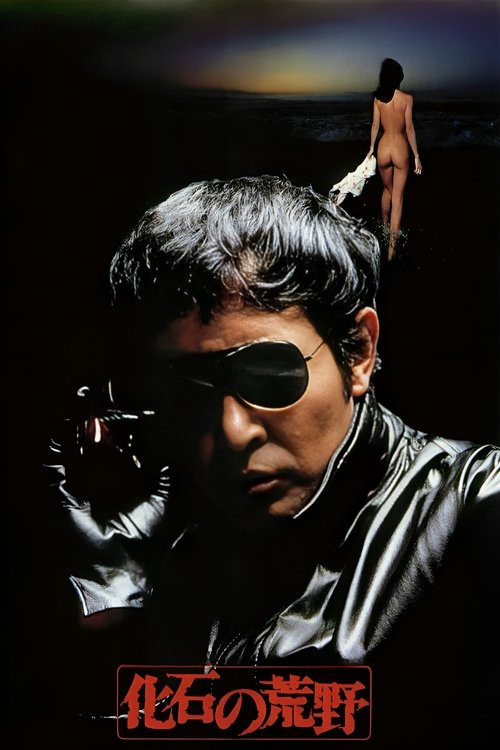
Fossilized Wilderness
1982
No user ratings available yet
Representation score: 2.0 out of 10
Representation Score
Minimal
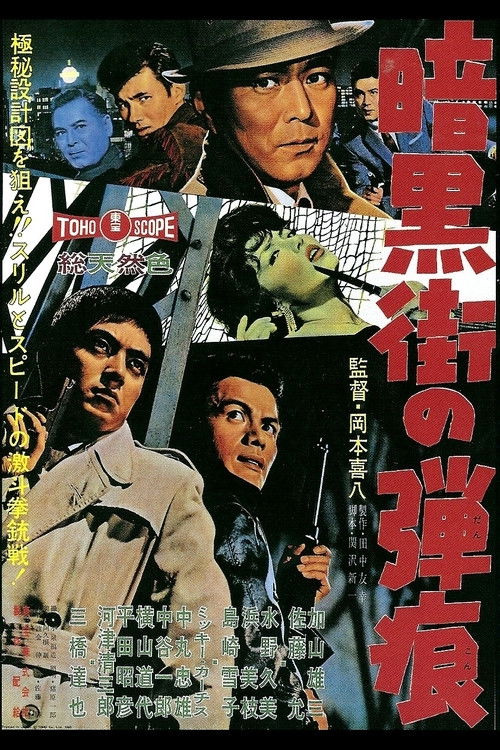
1961
Director
Kihachi Okamoto
Runtime
73 minutes
Average Rating
No ratings yetNew Showbiz Analysis
Blueprint of Murder is a crime mystery that emphasizes plot intricacy and institutional critique over diverse character representation. While the film provides a nuanced view of corporate negligence and espionage, it adheres to the demographic and social norms of 1960s Japanese cinema. The narrative leans heavily on traditional archetypes like the male investigator and the femme fatale, reinforcing mid-century gender roles without offering multi-layered depth. Ultimately, the film's strength lies in its examination of systemic corruption rather than its ability to challenge social hierarchies or offer diverse identity perspectives.
Category Breakdown
The film does not include any characters with LGBTQ+ identities or non-traditional gender identities. The story centers on male characters involved in a crime investigation.
Female characters are portrayed through the femme fatale cliché, which emphasizes their role in supporting male characters' actions rather than showing independent strength. The narrative focuses on male-driven investigations.
Given its 1961 release date, the film reflects the homogeneous demographics typical of that time period. It does not highlight multi-ethnic casting or minority representation.
The story critiques institutional corruption within corporate and journalistic settings. While it challenges systemic issues, it stays within the traditional social structures of mid-20th century Japan.
The film does not feature any characters with physical, sensory, or neurodivergent disabilities. The plot and characters focus on typical crime and mystery themes.
Present on Screen
Limited or Absent
Official Synopsis
Yuzo Kayama plays the protagonist, a whale-hunting cannon manufactuing supervisor, whose brother is an automobile tester for Komatsu Motors which has a fatal accident. As his brother investigates the "Accident" with his old college friend (makoto Sato), now a reporter... They stumble across murder, espionage and cover-ups. High-class night club, femme fatale, and a "Blueprint of Murder" all adds up to a bigger plot then first expected.
1982
1967
1967
1960
1960
1964

1960
1955
No reviews yet. Be the first to share your thoughts on this movie!
Use the rating form above to leave a star rating and optional review.