Stakeout
1958
No user ratings available yet
Representation score: 1.1 out of 10
Representation Score
Limited
1958
Not RatedDirector
Seijun Suzuki
Runtime
92 minutes
Average Rating
No ratings yetNew Showbiz Analysis
Seijun Suzuki’s early work operates within the social and cinematic constraints of mid-century Japan. While the film lacks multi-layered complexity, it offers a nuanced look at women's ability to drive the story through its protagonist. The story relies on traditional demographic norms and social hierarchies, functioning as a psychological mystery rather than a critique of systemic institutions or diverse identities. Ultimately, the film is a product of its era, prioritizing domestic suspense and individual memory over progressive representation.
Category Breakdown
The film centers on a domestic mystery involving a marriage and does not include any queer narratives or non-straight identities.
Asako drives the narrative with her auditory memory and intuition, shifting away from male-dominated procedural clichés.
The film features a culturally homogeneous Japanese cast, reflecting the historical context of 1958 Japan but lacking a multi-ethnic ensemble.
The mystery explores psychological haunting and domestic instability while maintaining traditional social hierarchies, such as the relationship between a boss and an employee.
The narrative does not feature characters with physical or neurodivergent disabilities.
Present on Screen
Limited or Absent
Official Synopsis
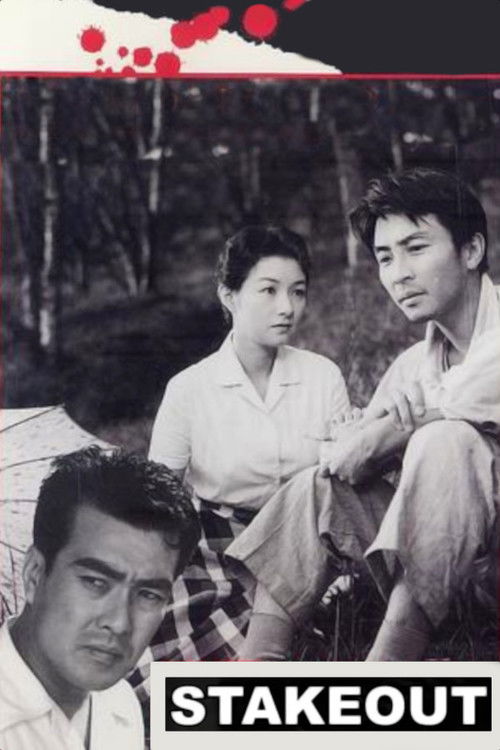
Asako, a former telephone operator once heard the voice of a murder suspect which has continued to haunt her. Years later her husband invites his boss, Hamazaki, over for dinner and she realises his voice is suspiciously like that of the killer. Before she can investigate further, Hamazaki is found dead and her husband becomes the prime suspect.
1958

2008

1982

1958
1958
1960
1952

1956
No reviews yet. Be the first to share your thoughts on this movie!
Use the rating form above to leave a star rating and optional review.