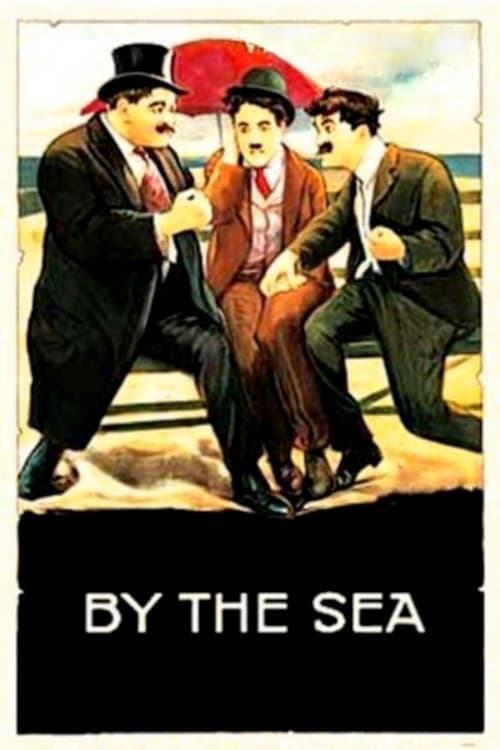
By the Sea
1915
No user ratings available yet
Diversity score: 1.8 out of 10

1915
NRDirector
Charlie Chaplin
Runtime
27 minutes
Average Rating
No ratings yetSynopsis
A shipowner intends to scuttle his ship on its last voyage to get the insurance money. Charlie, a tramp in love with the owner's daughter, is grabbed by the captain and promises to help him shanghai some seamen. The daughter stows away to follow Charlie. Charlie assists in the galley and attempts to serve food during a gale.
Overall Score
Minimal
Category Breakdown
LGBTQ+ Representation
The film lacks any depictions of queer identities or non-heteronormative subtext. Romantic tension is limited to a traditional heterosexual courtship between Charlie and the shipowner's daughter.
Gender Representation
Gender dynamics follow early 20th-century hierarchies. While the female lead shows agency by stowing away, her role remains largely reactive to the protagonist's actions.
Racial & Ethnic Diversity
The cast appears homogeneous, reflecting the era's lack of intentional racial integration. There is no evidence of diverse casting or ethnic representation within the narrative.
Religious & Cultural Diversity
The story focuses on maritime hierarchies and deceptive authority figures. These elements serve as comedic devices rather than a critique of Western institutions or capitalism.
Disability Representation
There are no visible or documented depictions of physical or neurodivergent disabilities in the film.
Strengths
Areas for Improvement
AI Analysis
Shanghaied is a product of its historical moment, prioritizing slapstick mechanics over intersectional complexity. The narrative relies on situational chaos and the 'trickster' trope rather than social commentary. The film reinforces standard character archetypes and demographic homogeneity prevalent in early 20th-century cinema. It lacks the intentionality required to challenge existing social hierarchies. Ultimately, the work functions as a foundational silent comedy that adheres to the conventional comedic structures of the 1910s.
1915

1914
1916
1918

1919
1915
1914

1915
1914
1915
1914
1915
No reviews yet. Be the first to share your thoughts on this movie!
Use the rating form above to leave a star rating and optional review.