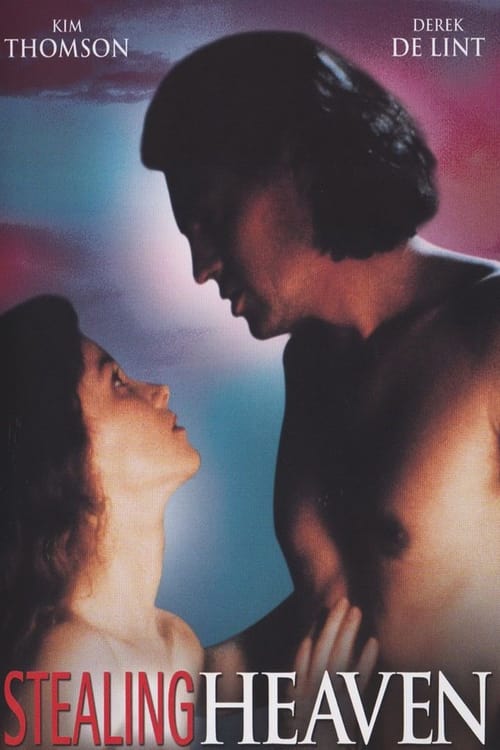
Stealing Heaven
1988
No user ratings available yet
Representation score: 3.7 out of 10
Representation Score
Fair
1991
RDirector
Derek Jarman
Runtime
90 minutes
Average Rating
No ratings yetNew Showbiz Analysis
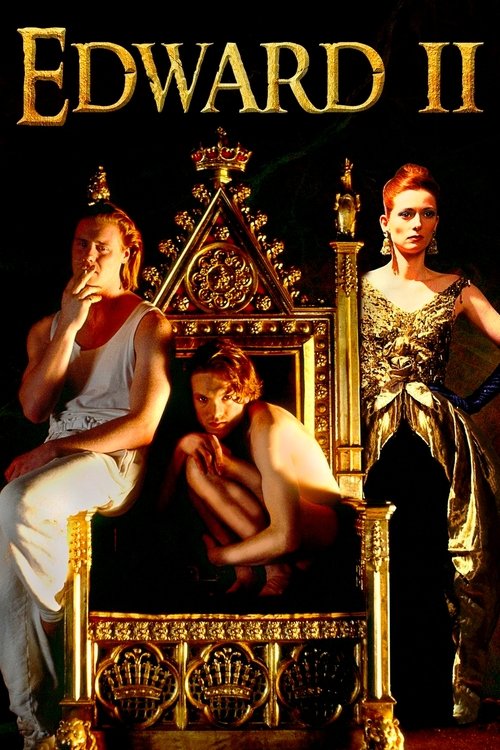
Derek Jarman’s adaptation serves as a sophisticated deconstruction of institutional power. By placing queer desire at the heart of the conflict, the film goes beyond historical reenactment to critique the structures that suppress individual identity. While the film excels in its progressive narrative structure and critique of Western power dynamics, it remains limited by its period-specific casting. The lack of racial diversity is a notable departure from more modern, inclusive historical interpretations. Ultimately, the work is a profound exploration of the tension between personal truth and state stability. It uses a stylized aesthetic to challenge the very foundations of traditional authority.
Category Breakdown
The film focuses on a queer romantic relationship as the core of its political drama. It portrays traditional heterosexual duties, such as having children, as oppressive forces that lead the protagonist to tragedy.
Queen Isabella is shown as a powerful political figure within a changing hierarchy. The narrative challenges traditional masculine roles by emphasizing the King's personal desires over patriarchal stability.
The cast follows a typical historical visual style. It does not include actors of diverse backgrounds, resulting in a mostly white depiction of 14th-century English nobility.
The film criticizes Western institutions like the monarchy and religion as systemic forces. It emphasizes individual authenticity over the strict demands of state and religious loyalty.
The story examines psychological vulnerability and political trauma. However, it does not prominently feature physical or neurodivergent disabilities as central narrative elements.
Present on Screen
Limited or Absent
Official Synopsis
England, 14th century. King Edward II falls in love with Piers Gaveston, a young man of humble origins, whom he honors with favors and titles of nobility. The cold and jealous Queen Isabella conspires with the evil Mortimer to get rid of Gaveston, overthrow her husband and take power…
1988
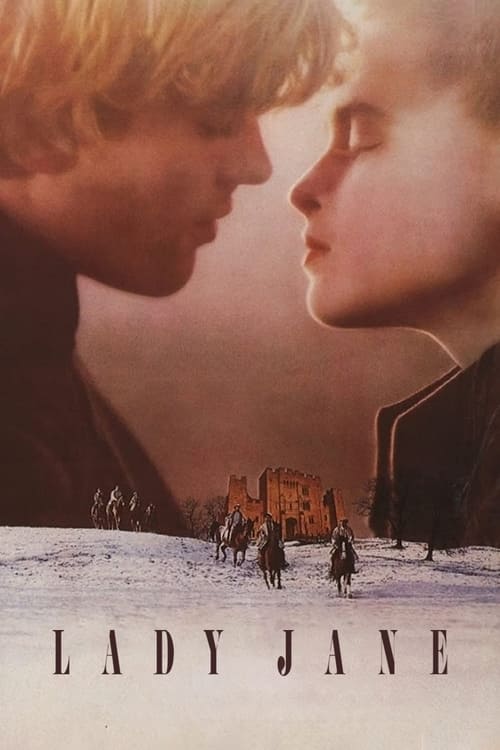
1986
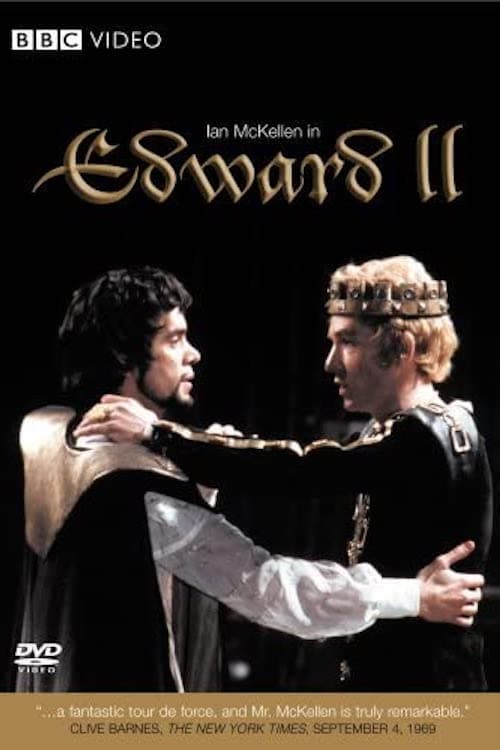
1970
1969
2015
2000
1997
1997
No reviews yet. Be the first to share your thoughts on this movie!
Use the rating form above to leave a star rating and optional review.