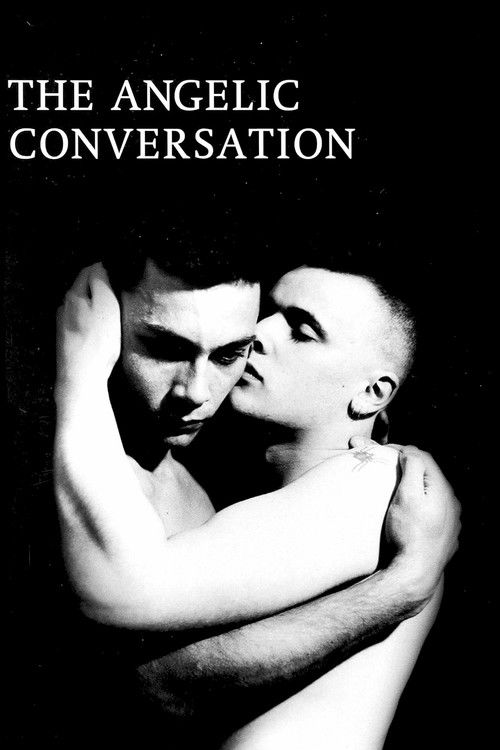
The Angelic Conversation
1987
No user ratings available yet
Representation score: 6.1 out of 10
Representation Score
Excellent
1987
UnratedDirector
Derek Jarman
Runtime
87 minutes
Average Rating
No ratings yetNew Showbiz Analysis
Derek Jarman’s work serves as a visual manifesto that dismantles national mythologies. By utilizing postmodern fragmentation, the film replaces traditional hierarchies with a complex reality that centers queer existence. The film excels in its intentional subversion of the state, capitalism, and organized religion. It moves beyond mere representation to provide a profound critique of the social breakdown occurring under Thatcher-era policies. While the impressionistic structure provides a multi-ethnic visual palette, the absence of deep, character-driven arcs for underrepresented racial groups prevents a higher score in ethnic diversity.
Category Breakdown
This seminal text focuses on LGBTQ+ identities through an avant-garde lens. It explores same-sex relationships and the lived experiences of the community during the AIDS crisis, challenging the assumption that everyone is straight or cisgender.
The film breaks down traditional gender roles by emphasizing bodily vulnerability and fluid desire. It resists patriarchal structures by blurring the lines between masculinity and femininity.
A diverse array of faces reflects a multi-ethnic urban reality, critiquing a homogeneous national identity. However, the lack of specific, character-driven arcs for people of color limits its impact.
The work critiques Western institutions and neoliberal policies. It deconstructs religious iconography to frame state authority as a source of neglect rather than protection.
Physical vulnerability is addressed through the lens of the AIDS epidemic. The film treats bodily fragility with poetic dignity, using illness to highlight individual struggle against state indifference.
Present on Screen
Limited or Absent
Official Synopsis
The artist's personal commentary on the decline of his country in a language closer to poetry than prose. A dark meditation on London under Thatcher.
1987
1985
1990
1988

1993
1974
1987
2000
No reviews yet. Be the first to share your thoughts on this movie!
Use the rating form above to leave a star rating and optional review.