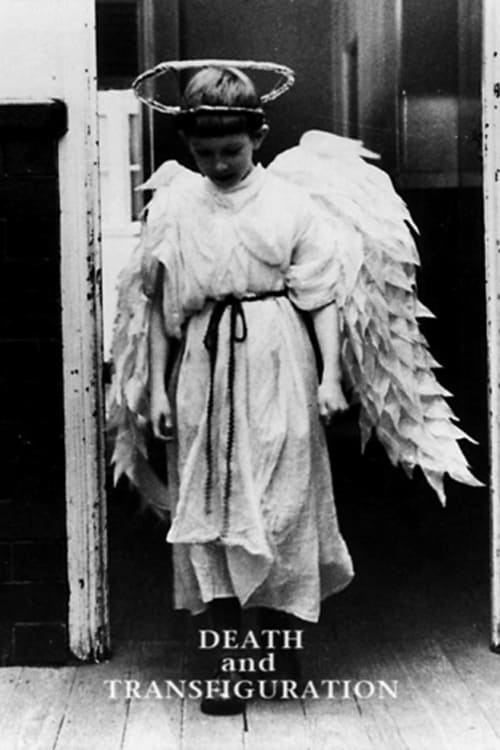
Death and Transfiguration
1983
No user ratings available yet
Representation score: 5.0 out of 10

Representation Score
Fair
1983
Director
Terence Davies
Runtime
103 minutes
Average Rating
No ratings yetNew Showbiz Analysis
The Terence Davies Trilogy is a significant work that explores the conflict between personal identity and societal structures. It excels in its nuanced portrayal of queer identity and the dismantling of religious and patriarchal norms. Using a non-linear, impressionistic style, the films delve deeper than surface-level representation to explore the inner life of the main character. However, the trilogy’s historical and socioeconomic context limits its demographic diversity. Set in post-war Liverpool, the films primarily feature a white cast, which narrows the social scope. Overall, the trilogy’s strength lies in its thematic depth. It challenges institutional norms through a sophisticated, postmodern lens, making it a crucial study of identity and systemic struggles.
Category Breakdown
The trilogy provides deep insights into queer experiences through subtle hints and overall atmosphere. It focuses on the psychological complexity of a sensitive character rather than just showing LGBTQ+ characters.
Gender roles are shown through contradictions and limitations. The films challenge traditional masculinity by emphasizing vulnerability and introspection over strength.
The stories are set in post-war, working-class Liverpool, resulting in a mostly white cast reflecting the local population.
The films offer a sophisticated look at the Catholic Church and traditional families, showing them as sources of tension and psychological pressure.
There are no central depictions of physical or neurodivergent disabilities in the narrative.
Present on Screen
Limited or Absent
Official Synopsis
In stark black and white, Terence Davies excavates the life of his fictional alter ego, Robert Tucker, in a narrative that slips between childhood, middle age and death, shaping the raw materials of his own life into a rich tapestry of experiences and impressions.
1983
1988
1980

1985
1976
1983
1995

1999
No reviews yet. Be the first to share your thoughts on this movie!
Use the rating form above to leave a star rating and optional review.