
In My End Is My Beginning
2013
No user ratings available yet
Diversity score: 5.4 out of 10
2003
Director
Simon Staho
Runtime
28 minutes
Average Rating
No ratings yetSynopsis
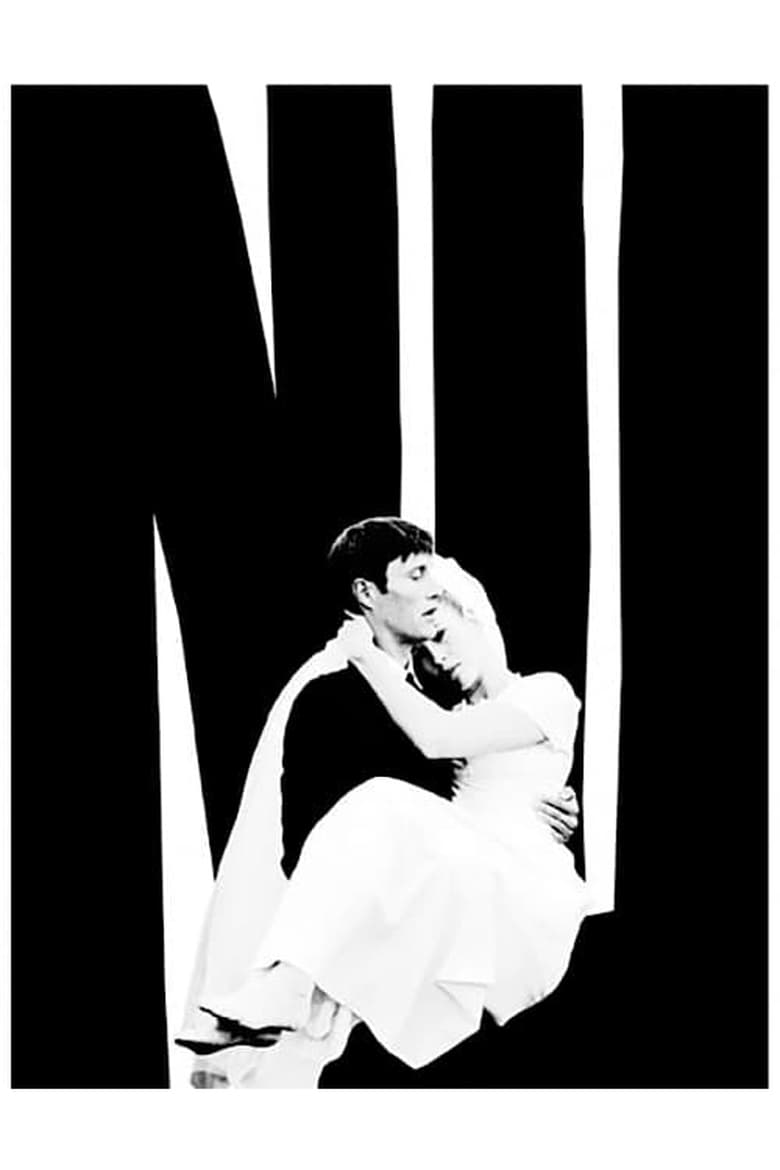
A man and a woman meet in 1960. They marry because that's what you are supposed to do. But something goes wrong on their wedding night. They have no idea what to do with each other. Sexually. Emotionally. The husband meets a man who knows what to do with his sexuality. Suddenly a hand can do something no hand has done before and lips something no lips have ever done. The two men have a secret love affair. But there is a problem: The woman. And she has something up her sleeve. Will she act? Yes, she will. What happens? Nobody knows. Until now.
Overall Score
Fair
Category Breakdown
LGBTQ+ Representation
The film centers on the disruption of heteronormative expectations through a clandestine same-sex connection. It depicts a male character finding sexual and emotional clarity via another man, challenging restrictive social scripts.
Gender Representation
The narrative subverts traditional hierarchies by presenting a 1960s marriage as a site of dysfunction. The female protagonist possesses hidden agency and a capacity for decisive action, disrupting the submissive wife trope.
Racial & Ethnic Diversity
The film focuses on a localized European social milieu. There is no evidence of a diverse cast, and the narrative does not utilize race as a central thematic driver.
Religious & Cultural Diversity
The story critiques Western institutions by framing marriage as a product of obligation rather than connection. It prioritizes individual psychological truth over the preservation of the traditional family unit.
Disability Representation
The film's focus remains strictly on psychological and sexual dynamics. There is no discernible evidence regarding the inclusion of characters with visible or invisible disabilities.
Strengths
Areas for Improvement
AI Analysis
Simon Staho's film succeeds in deconstructing the mid-20th-century domestic ideal. By prioritizing the psychological truth of its characters over social conformity, it offers a sophisticated look at identity and alienation. The strength of the work lies in its ability to challenge heteronormative structures and traditional gender roles. It moves beyond surface-level representation to explore how queer identity and female agency disrupt established social contracts. However, the film lacks broad demographic breadth. The focus on a specific European social milieu results in a lack of visible intersectional diversity and racial representation.
2013

2003

2003

2024

2006

1965

2007

2012

2012

1977

2012

1991
No reviews yet. Be the first to share your thoughts on this movie!
Use the rating form above to leave a star rating and optional review.