Careless Lady
1932
No user ratings available yet
Representation score: 1.7 out of 10
Representation Score
Minimal
1928
PassedDirector
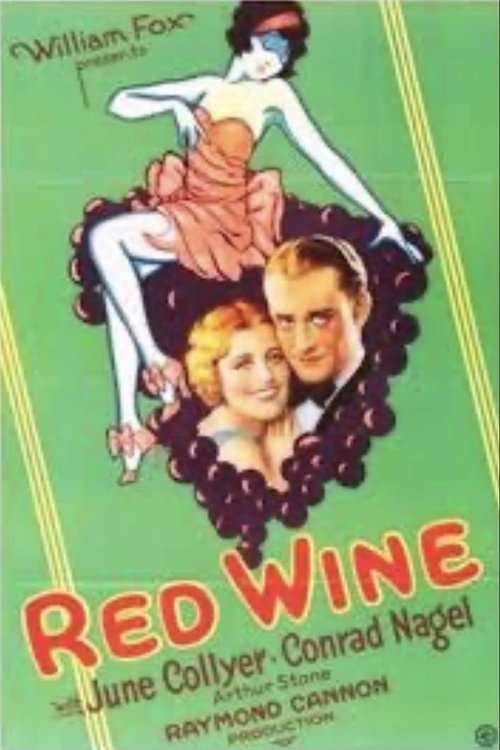
Raymond Cannon
Runtime
68 minutes
Average Rating
No ratings yetNew Showbiz Analysis
Red Wine is a period-typical domestic comedy that relies on established clichés of marriage and gendered social roles. The plot centers on a husband's deception to pursue social leisure, reinforcing the era's conventional social expectations. The film lacks multi-layered representation, focusing on individual character whims rather than identity-driven narratives. It functions within the restrictive cinematic frameworks of the late 1920s, offering little representation outside of a homogeneous, Western demographic. Ultimately, the work serves as a snapshot of early 20th-century social norms, prioritizing traditional marital dynamics and gendered hierarchies for comedic effect.
Category Breakdown
The film operates within a strictly straight-centered framework. There are no depictions of non-straight or non-cisgender identities or same-sex intimacy.
The story reinforces traditional gender hierarchies. Male characters are centered through deception, while women are relegated to domestic roles or specialized social functions.
The cast reflects the homogeneous demographic standards of 1928. There is no indication of non-white or non-Anglo-Saxon representation in the central arcs.
The narrative adheres to traditional Western social structures and the nuclear family. It utilizes conventional understandings of professional and domestic life.
There is no evidence regarding the inclusion of characters with visible or invisible disabilities.
Present on Screen
Limited or Absent
Official Synopsis
Charles Cook, a husband with a multi-year itch, decides he will go out and whoop it up with the boys, but tells his wife it is a business meeting. His helpful friend Jack Scott introduces him to a very pretty--and shapely--Miss Scott, whose stock-in-trade is understanding misunderstood husbands, and she is very good at it. Charles enjoys being one of the boys and schedules more business meetings. Meanwhile, his wife Alice is at home wishing her husband didn't have to go to so many business meetings.
1932
1938

1932

1952
1939
1934
1937
1939
No reviews yet. Be the first to share your thoughts on this movie!
Use the rating form above to leave a star rating and optional review.