
Classified
1925
No user ratings available yet
Representation score: 2.4 out of 10

Representation Score
Minimal
1937
ApprovedDirector
Gideon Wahlberg, Schamyl Bauman
Runtime
84 minutes
Average Rating
No ratings yetNew Showbiz Analysis
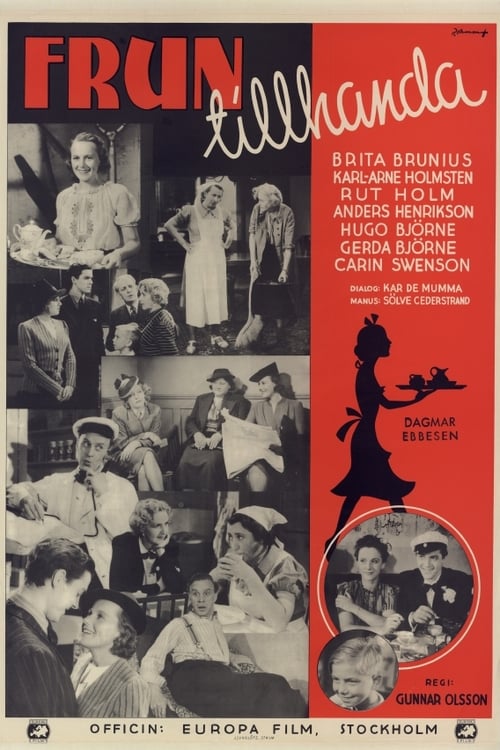
Send Home Number 7 is a product of its era, using a narrative structure that aligns with the social hierarchies of the 1930s. The plot revolves around a female protagonist whose various jobs are presented as steps leading to marriage, emphasizing domesticity as her ultimate societal role. The film adheres closely to conventional Western values and traditional gender roles, reinforcing rather than challenging these norms. It lacks representation of LGBTQ+ identities, diverse racial backgrounds, or disability, reflecting the demographic uniformity typical of mid-1930s romantic comedies.
Category Breakdown
The film does not include any characters with non-straight sexual orientations or same-sex relationships. Given the 1937 production date and the genre, the story focuses solely on heterosexual relationships.
The main character's career is presented as a temporary phase before she becomes a wife. This portrayal supports traditional gender roles where women prioritize marriage and family over professional pursuits.
The film likely reflects the homogeneous demographics of its time period. There is no indication of diverse casting or challenging the predominantly Anglo-Saxon social norms.
The storyline upholds traditional Western values centered around the nuclear family. Marriage is emphasized as a key social milestone and stabilizer.
The film does not show any influence of disability or neurodivergence on the characters' development or the plot progression.
Present on Screen
Limited or Absent
Official Synopsis
A combination of comedy and romance revolving around the many part-time jobs held by a girl before she acquires a full-time job as a wife.
1925

1938

1936

1934

1938

1928
1939

1936
No reviews yet. Be the first to share your thoughts on this movie!
Use the rating form above to leave a star rating and optional review.