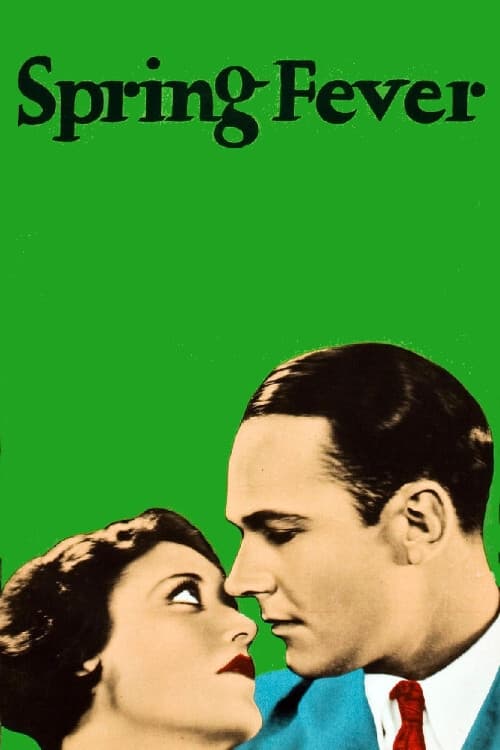
Spring Fever
1927
No user ratings available yet
Representation score: 0.9 out of 10
Representation Score
Limited
1938
ApprovedDirector
James Tinling
Runtime
59 minutes
Average Rating
No ratings yetNew Showbiz Analysis
Change of Heart offers a notable challenge to the traditional submissive wife cliché of the 1930s. By focusing on a woman who achieves success in a male-dominated sport and refuses to submit to a controlling husband, the film moves away from the era's standard portrayal of women. However, the film lacks depth in representing multiple aspects of identity. The social setting and production standards suggest a lack of racial and ethnic diversity. Additionally, the film remains entirely focused on straight relationships, offering no representation for LGBTQ+ identities. Ultimately, the film's strength lies in its critique of patriarchal authority within the home, even as it remains limited by the homogeneous social landscape of its time.
Category Breakdown
The film adheres to the assumption that everyone is straight or cisgender. There is no representation of LGBTQ+ identities or same-sex relationships.
Carol Murdock challenges traditional gender roles by excelling in the male-dominated sport of golf. She asserts her independence by initiating divorce proceedings.
The setting and narrative suggest a homogeneous social class typical of the 1930s. There is no indication of a diverse or non-Anglo-Saxon cast.
The story questions the sanctity of the traditional nuclear family by presenting divorce as a valid choice. It emphasizes individual fulfillment over marital obligations.
The narrative does not include any characters with visible or invisible disabilities.
Present on Screen
Limited or Absent
Official Synopsis
While Carol Murdock is becoming the golf-champion at the country club, husband Anthony is all wrapped up in his business and rants a lot about how much time his wife spends playing gold, thereby neglecting their home and him. Carol teams up with golfer Phillip Reeves and they win a tournament together, and Reeves becomes infatuated with Carol. Anthony rants some more and Carol packs up and starts the divorce proceedings. Anthony fights back by taking up golf himself.
1927

1934
1952
1948
1935
1938
1941
1927
No reviews yet. Be the first to share your thoughts on this movie!
Use the rating form above to leave a star rating and optional review.