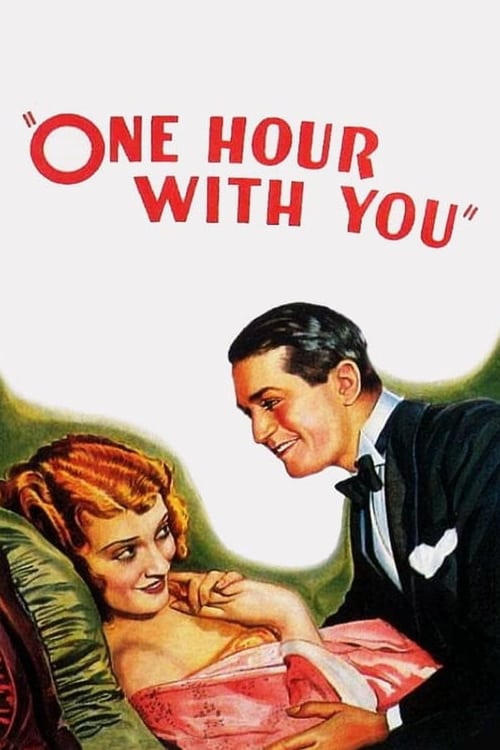
One Hour with You
1932
No user ratings available yet
Representation score: 3.3 out of 10
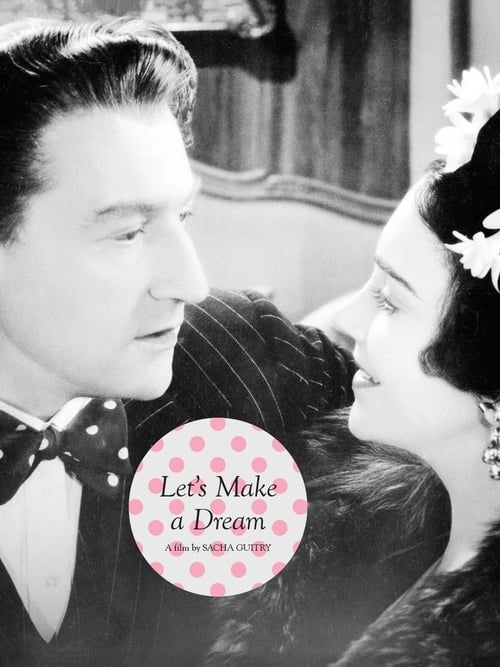
Representation Score
Limited
1936
Not RatedDirector
Sacha Guitry
Runtime
86 minutes
Average Rating
No ratings yetNew Showbiz Analysis
Sacha Guitry’s comedy serves as a critique of bourgeois domestic life during the 1930s. By presenting marriage as a site of situational morality rather than absolute stability, the film offers a nuanced view of romantic freedom. However, the film is constrained by the social norms of its time. It lacks representation for LGBTQ+ individuals and diverse racial groups, reflecting the homogeneous society of the era. Ultimately, the film's strength lies in its ability to question traditional institutions, even though it does not meet contemporary standards for demographic diversity.
Category Breakdown
The film focuses solely on heterosexual affairs and does not include any queer identities or stories involving LGBTQ+ individuals.
The film challenges traditional gender roles by highlighting the actions and decisions of both the husband and wife. It also questions the idea of a virtuous domestic wife through the theme of infidelity.
Reflecting the 1936 French film industry, the movie seems to follow the homogeneous demographic norms of the time. There is no indication of diverse casting.
The story uses moral relativism to make infidelity a comedic element. It breaks down the traditional Western family structure through situational ethics.
The synopsis does not mention any characters with visible or invisible disabilities.
Present on Screen
Limited or Absent
Official Synopsis
A husband who has just cheated on his wife returns home in the early morning, puzzled. He finds there, without knowing it, the lover of his wife, to whom he confesses his infidelity.
1932
1948
1939
1937
1926
1934

1931

1940
No reviews yet. Be the first to share your thoughts on this movie!
Use the rating form above to leave a star rating and optional review.