
Paradise for Two
1927
No user ratings available yet
Diversity score: 2.3 out of 10
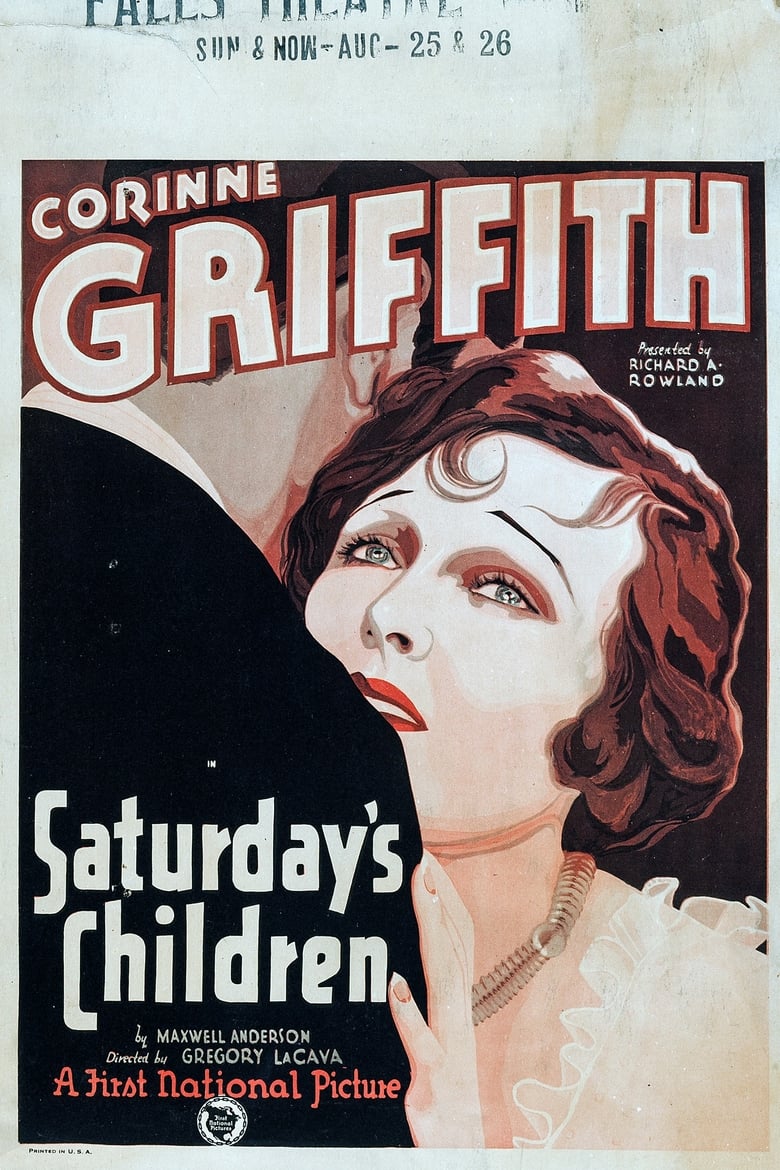
1929
PassedDirector
Gregory La Cava
Runtime
90 minutes
Average Rating
No ratings yetSynopsis
Youthful sweethearts, Bobbi and Jim, plan to get married but Bobbi wants them to settle down in their sleepy hometown. Jim has bigger plans and walks out on Bobbie who then resorts to her feminine tricks to win him back.
Overall Score
Limited
Category Breakdown
LGBTQ+ Representation
The film adheres to strict heteronormative structures. There is no evidence of same-sex intimacy or non-cisnormative identities.
Gender Representation
Female characters show agency by navigating economic instability. However, the reliance on 'feminine tricks' and a lack of subversion regarding masculine authority limits the score.
Racial & Ethnic Diversity
The cast is predominantly homogeneous, reflecting the era's demographic norms. There is no evidence of racial blending or characters of color.
Religious & Cultural Diversity
The film critiques socioeconomic structures by focusing on the fragility of the family unit. It frames social instability as a byproduct of systemic economic failure.
Disability Representation
There are no prominent depictions of visible or invisible disabilities. The narrative focuses on socioeconomic status and domestic dynamics.
Strengths
Areas for Improvement
AI Analysis
Saturday's Children functions as a sociological study rather than a diverse demographic showcase. It captures the working-class struggles of 1929, using the friction between individual desire and social expectation to drive its narrative. The film's strength lies in its refusal to moralize poverty. Instead of treating social dysfunction as a character flaw, it presents it as a symptom of systemic economic hardship. This provides a more nuanced view of the era's domestic struggles. However, the film remains deeply rooted in the hierarchies of its time. It lacks racial intersectionality and offers little subversion of traditional gender roles or LGBTQ+ identities, remaining a product of its specific historical context.
1927
1931
1939
1934

1932
1936
1920
1936
1935
1928
1941
1925
No reviews yet. Be the first to share your thoughts on this movie!
Use the rating form above to leave a star rating and optional review.