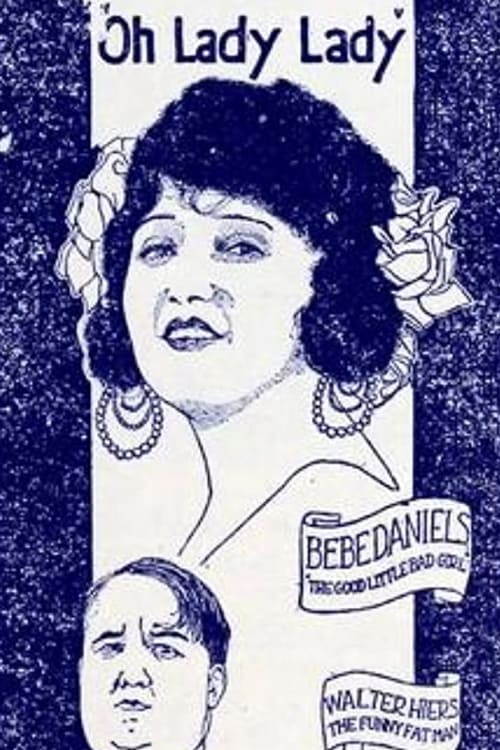
Oh, Lady, Lady
1920
No user ratings available yet
No diversity score available
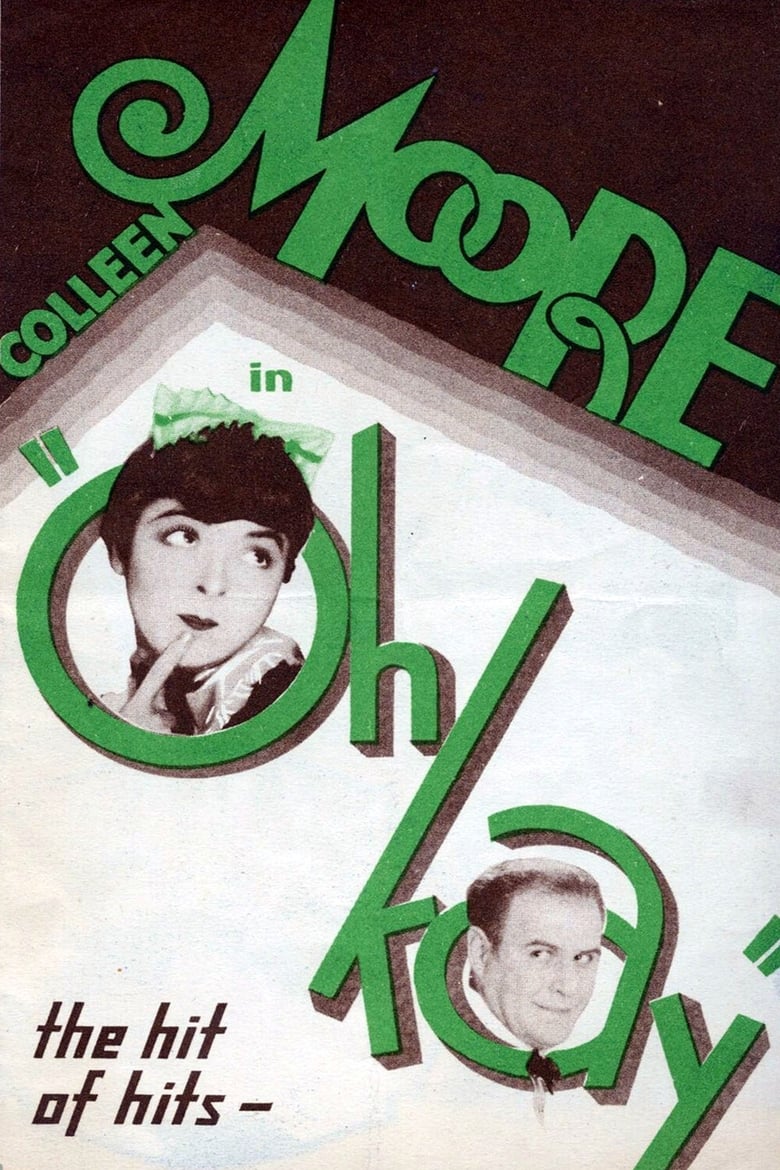
1928
PassedDirector
Mervyn LeRoy
Runtime
60 minutes
Average Rating
No ratings yetSynopsis
On the eve of her wedding Lady Kay Rutfield runs off aboard her sloop. A storm carries her out to sea and she is rescued by a passing rumrunner bound for the Long Island Sound. Once they arrive in the States, Kay makes her escape and hides in the deserted mansion of Jimmy Winter. Jimmy is due to marry the following day. He comes home to the mansion unexpectedly, and finds Kay, who persuades him to let her pose for a night as his wife.
Overall Score
Limited
Category Breakdown
LGBTQ+ Representation
The film follows a standard heteronormative trajectory centered on a romantic entanglement. There are no visible queer romantic arcs or non-cisnormative identities present in the narrative.
Gender Representation
Kay Rutfield displays agency by fleeing her wedding and surviving at sea. However, her actions primarily serve a romantic comedy of errors that reinforces traditional domestic roles.
Racial & Ethnic Diversity
The setting suggests a narrative centered on Western, Anglo-Saxon social structures of the Prohibition era. The film appears to reflect the homogeneous casting norms of 1920s cinema.
Religious & Cultural Diversity
The plot explores themes of marriage and social status through romantic escapism. It upholds traditional views of courtship and social propriety within early 20th-century Western mores.
Disability Representation
The film provides no information or visible representation regarding characters with physical or neurodivergent disabilities.
Strengths
Areas for Improvement
AI Analysis
Oh Kay! is a conventional romantic comedy that adheres to the established social hierarchies of 1928. The narrative relies on standard tropes, such as the runaway bride, to drive its comedic plot. The film lacks intersectional complexity, focusing instead on a traditional romantic entanglement between a male and female lead. It reflects the demographic and cultural norms of the early studio system without attempting systemic subversion. Ultimately, the work functions as a period-typical escapist comedy, prioritizing romantic deception and social status over diverse representation or social critique.
1920
1930
1925
1919
1927
1928
1923
1926
1937
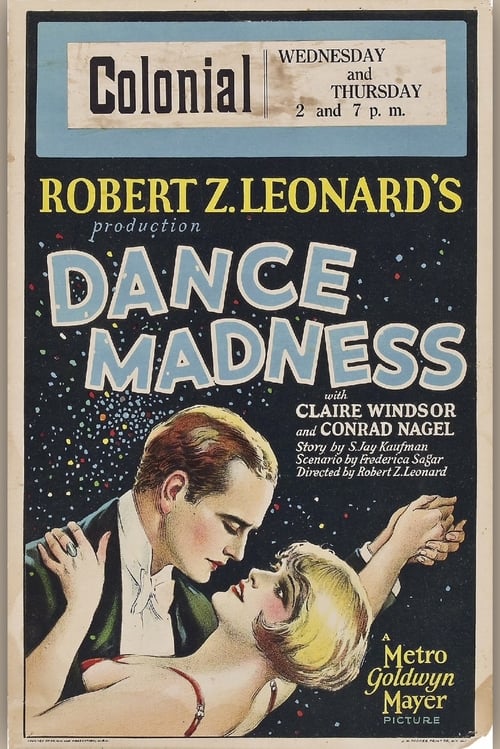
1926
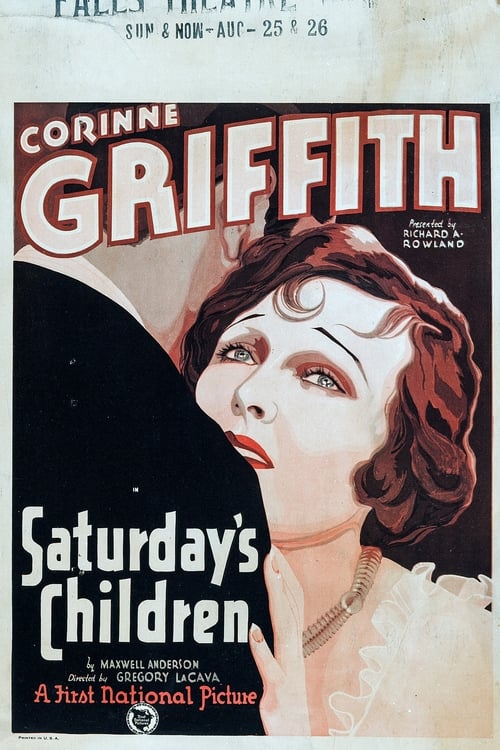
1929
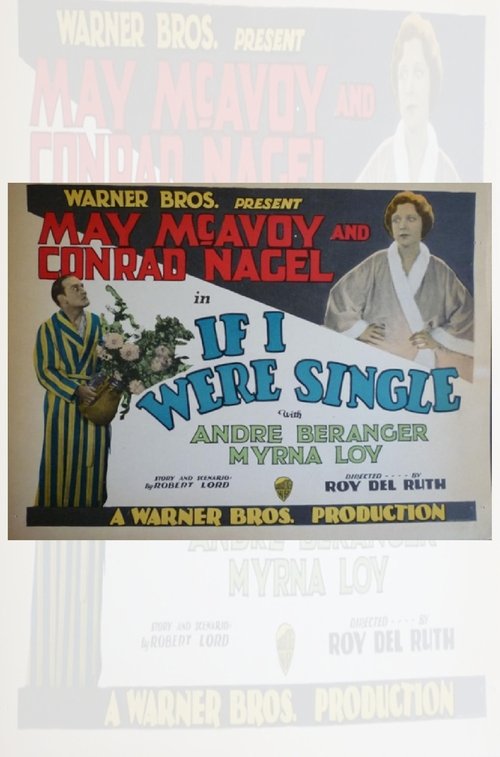
1927
No reviews yet. Be the first to share your thoughts on this movie!
Use the rating form above to leave a star rating and optional review.