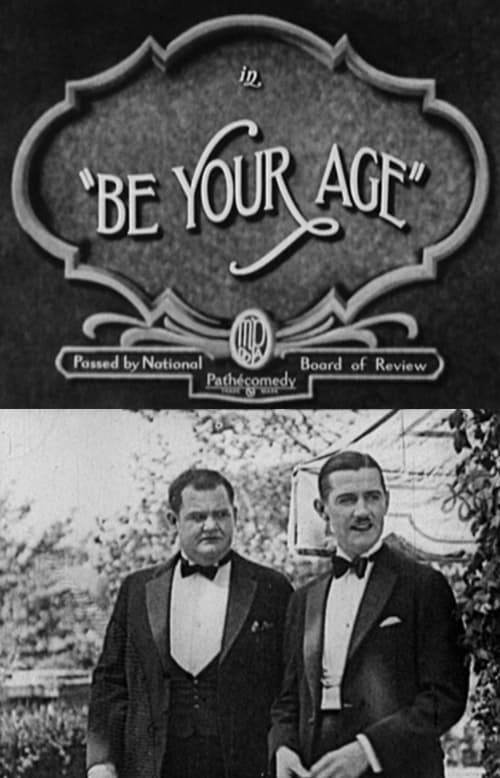
Be Your Age
1926
No user ratings available yet
Representation score: 1.4 out of 10
Representation Score
Limited
1926
PassedDirector
Alfred E. Green
Runtime
70 minutes
Average Rating
No ratings yetNew Showbiz Analysis
Ladies at Play is a conventional silent-era comedy that adheres to the standard social hierarchies of the 1920s. While the film follows straight-centered and Anglo-Saxon-centric casting norms, it offers a slight departure from typical period clichés through its female lead. Ann Martin's character provides a spark of ability to act. Instead of being a passive victim of her circumstances, she actively manipulates her romantic and financial future. This transactional approach to marriage offers a more complex view of female characterization than many contemporary films. However, the film remains anchored in traditional structures. The focus on inheritance, marriage, and social standing keeps the narrative firmly rooted in the status quo of its era, limiting its broader social diversity.
Category Breakdown
The film does not include any characters with LGBTQ+ identities or same-sex relationships. The story revolves around a traditional romantic pursuit between a female lead and male suitors.
Ann Martin demonstrates a significant role in driving the story by arranging a marriage of convenience and using gigolos to manipulate her aunts. Her proactive actions challenge the stereotype of the submissive Victorian woman.
The narrative seems to follow the homogeneous casting practices of 1926. There is no indication of a multi-ethnic cast based on the provided story details.
The plot explores themes of wealth and social standing through moral relativism. It emphasizes personal desires and social maneuvering over strict adherence to religious morality.
The film does not mention any characters with visible or invisible disabilities.
Present on Screen
Limited or Absent
Official Synopsis
Ann Martin will inherit six-million dollars if she marries a man her two spinster-aunts approve of, but, so far, her aunts haven't approved of any man she knows. Ann tries to get a bashful hotel clerk to marry her in name only, and then get a divorce, but he refuses to because he is in love with her. Her cousin then brings in another clerk and Ann now has two men on her hands. Ann now wants to marry the first clerk, having discovered she also loves him, but the aunts object. She then hires two gigolos to charm her aunts into a compromising situation.
1926
1938
1927
1926
1928
1942
1925
1953
No reviews yet. Be the first to share your thoughts on this movie!
Use the rating form above to leave a star rating and optional review.