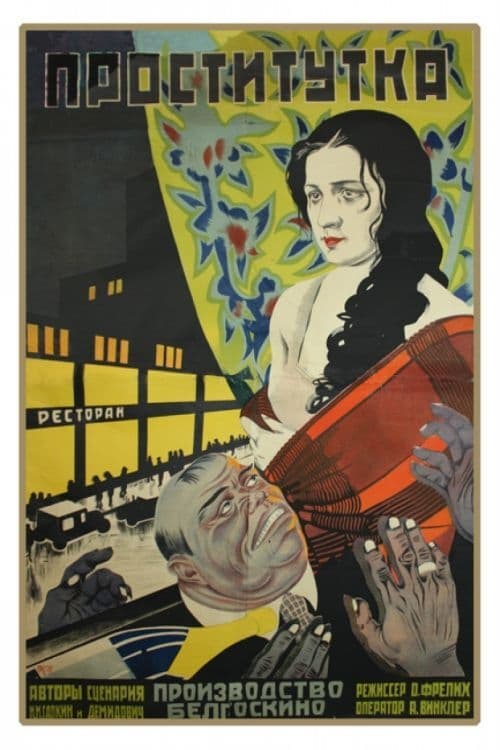
Prostitute
1927
No user ratings available yet
Diversity score: 5.1 out of 10
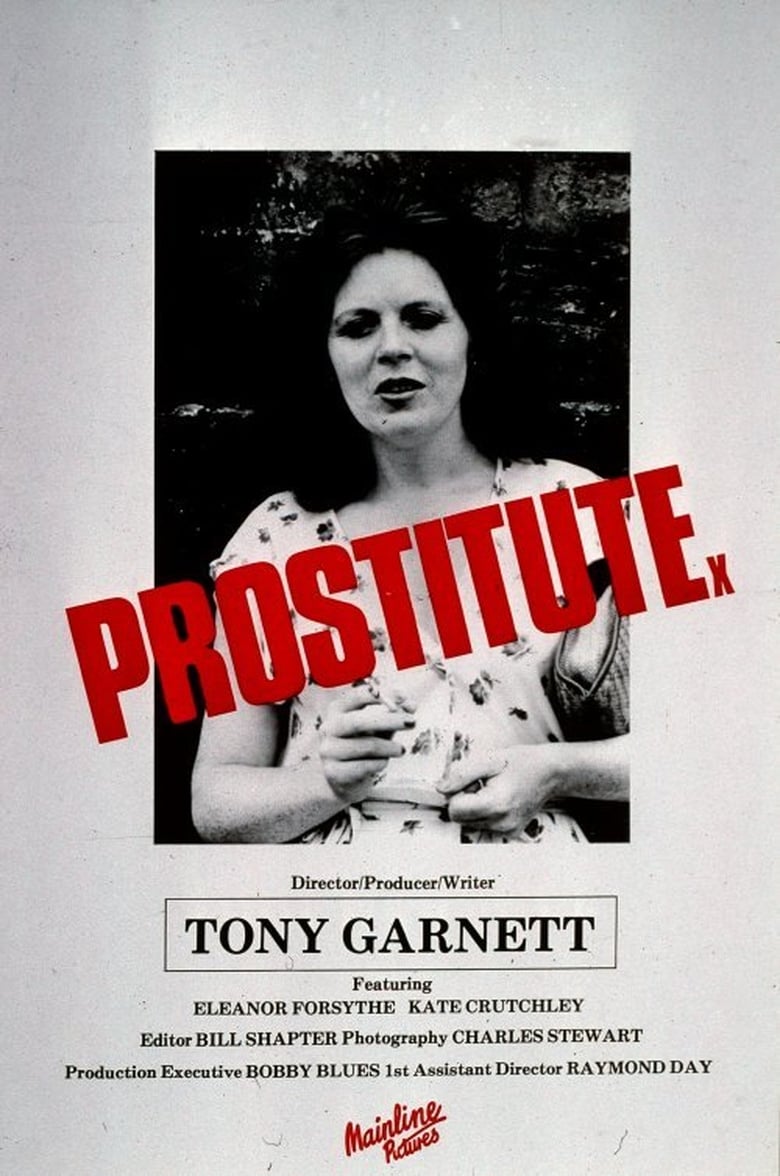
1980
Director
Tony Garnett
Runtime
94 minutes
Average Rating
No ratings yetSynopsis
The tale of two women: Sandra, an ambitious but naive Birmingham working girl who moves to London with the hope of securing wealthier patrons, and Louise, her social worker friend, who is fighting to change the antiquated and hypocritical prostitution laws. As both strive to achieve their goals, a cold dose of reality dashes their hopes, and the built-in biases against women in society are unmasked.
Overall Score
Fair
Category Breakdown
LGBTQ+ Representation
The film focuses on heteronormative economic pressures. There is no evidence of specific LGBTQ+ character arcs or non-cisnormative identities within the narrative.
Gender Representation
The story centers on female agency and intellectual pursuits. It portrays women as active participants navigating a patriarchal landscape rather than passive victims.
Racial & Ethnic Diversity
The narrative emphasizes class-based struggles within the London working class. There is no explicit evidence of intersectional racial casting provided.
Religious & Cultural Diversity
The film offers a sophisticated critique of capitalist structures and hypocritical legal institutions. It frames survival tactics through economic necessity rather than traditional morality.
Disability Representation
The depicted struggles are primarily socioeconomic and systemic. There is no evidence that neurodivergence or physical disabilities drive the narrative.
Strengths
Areas for Improvement
AI Analysis
Tony Garnett’s social realism provides a powerful lens for examining systemic failures and gendered power dynamics. The film succeeds in subverting traditional tropes by centering female protagonists who actively challenge patriarchal legal and social frameworks. However, the narrative's scope is narrow regarding identity. The focus remains heavily on class and gender, leaving little room for LGBTQ+ or disability-centered storytelling. While culturally progressive in its critique of capitalism, it lacks explicit intersectional breadth. Ultimately, the film is a specialized critique of institutional authority. It prioritizes the lived experiences of marginalized women over a broad spectrum of diverse identities.
1927

1974

1975

1956
1973

2007

1981
1992
1982

1994
1971
1967
No reviews yet. Be the first to share your thoughts on this movie!
Use the rating form above to leave a star rating and optional review.