Gap-Toothed Women
1987
No user ratings available yet
Diversity score: 6.3 out of 10
1980
PGDirector
Les Blank
Runtime
51 minutes
Average Rating
No ratings yetSynopsis
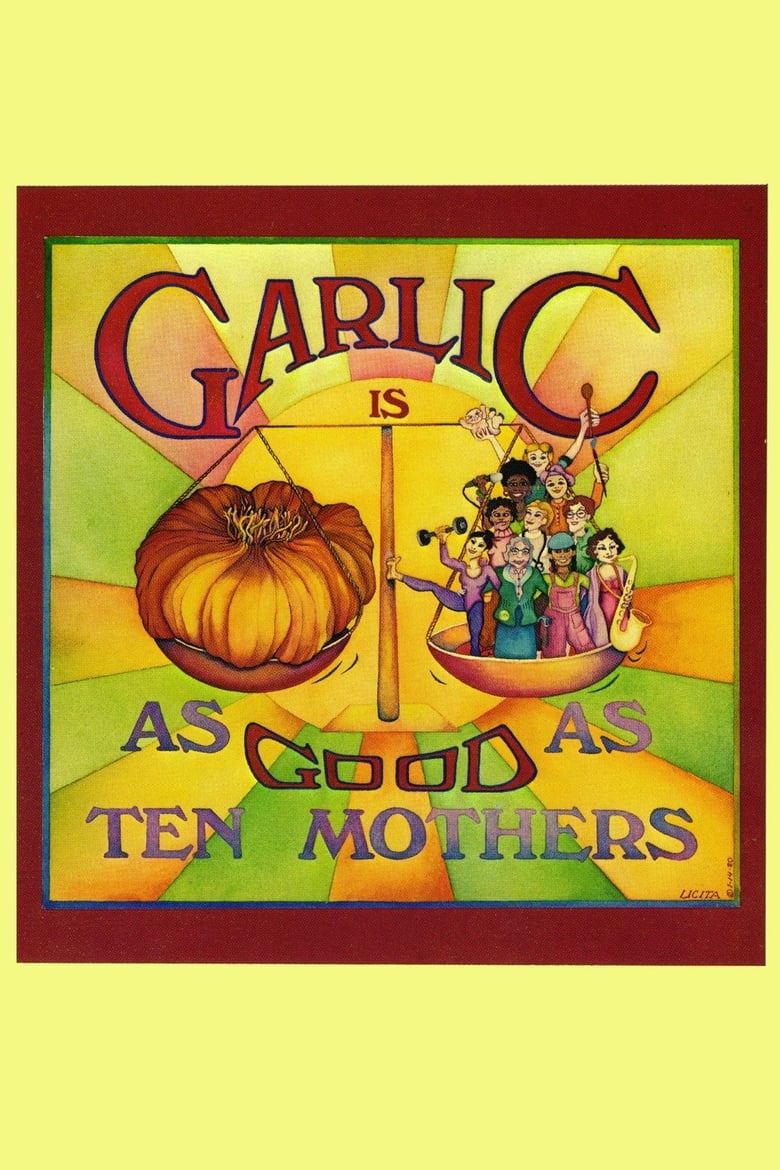
A zesty paean of praise to the greater glories of garlic. This lip-smacking foray into the history, consumption, cultivation and culinary/curative powers of the stinking rose features chef Alice Waters of Chez Panisse, and a flavorful musical soundtrack. Preserved by the Academy Film Archive in 1999.
Overall Score
Fair
Category Breakdown
LGBTQ+ Representation
The film focuses entirely on botanical and culinary studies. There are no discernible LGBTQ+ characters or narratives addressing non-heteronormative identities.
Gender Representation
Women are portrayed as active, essential participants in agrarian labor rather than being relegated to domestic tropes. Chef Alice Waters provides a strong example of female agency in professional culinary leadership.
Racial & Ethnic Diversity
The documentary highlights diverse ethnic communities across the Mediterranean, Europe, and Asia. It centers the agricultural expertise of non-Western farming communities and indigenous foodways.
Religious & Cultural Diversity
The film celebrates communal rituals and non-industrial lifestyles. It offers a respectful, observational look at cultural festivals and localized economies without a Westernized moral framework.
Disability Representation
There are no specific depictions of disability or neurodivergence serving as central narrative elements in this ethnographic study.
Strengths
Areas for Improvement
AI Analysis
Les Blank’s documentary succeeds as an ethnographic study that disrupts Western-centric perspectives by elevating global, agrarian traditions. It moves beyond Anglo-centric views to celebrate the interconnectedness of human culinary heritage. While the film lacks engagement with identity politics or LGBTQ+ narratives, it provides a sophisticated view of communal life. It effectively deconstructs the dichotomy between 'civilized' and 'primitive' through its focus on organic, non-industrial processes. The work's strength lies in its global scope and its respectful portrayal of diverse ethnic groups as masters of their own agricultural history.
1987
2020
2006
2012
2017
2012
2015
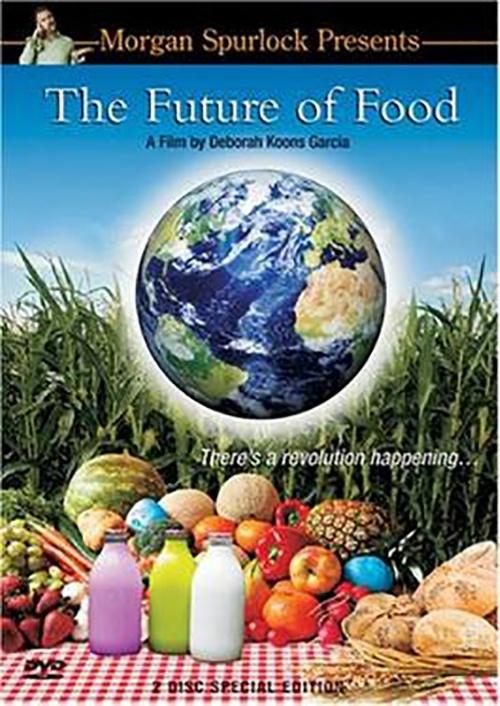
2004
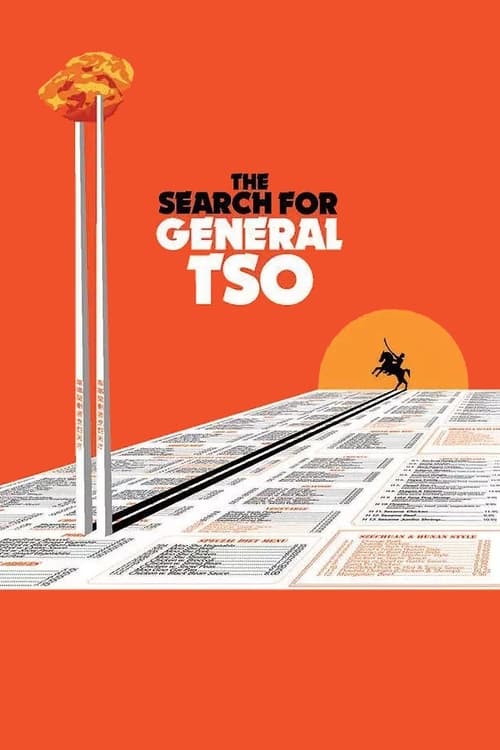
2014
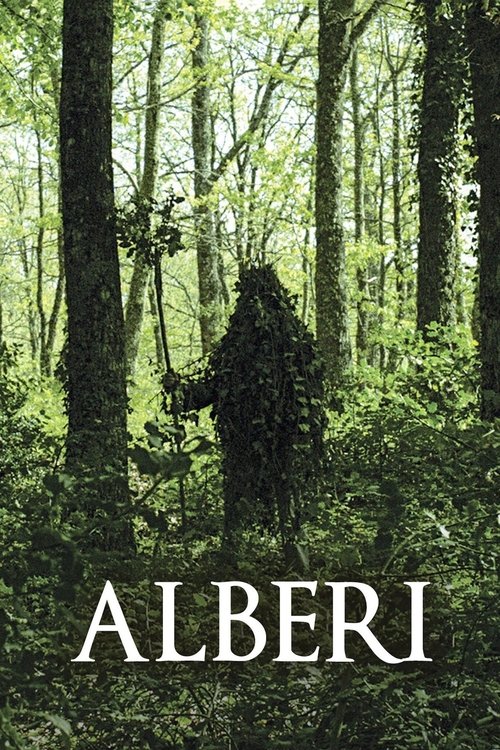
2013
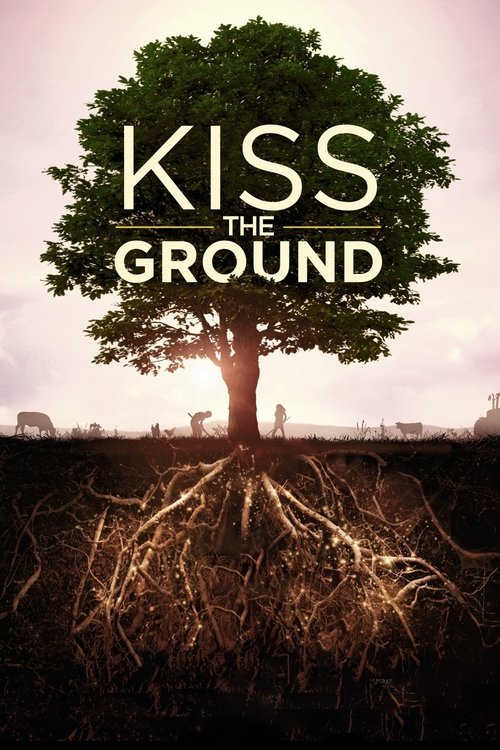
2020
2016
No reviews yet. Be the first to share your thoughts on this movie!
Use the rating form above to leave a star rating and optional review.